74° and Clear
Image
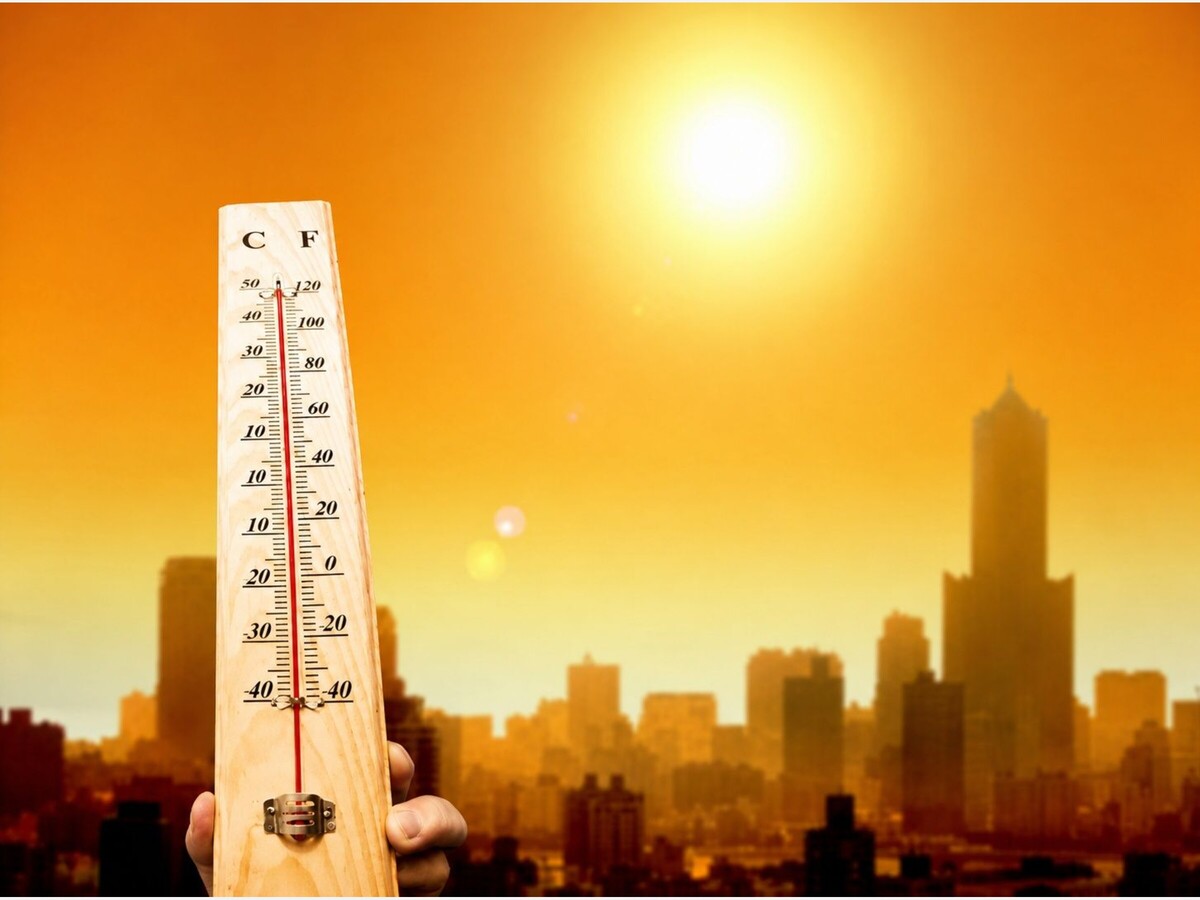



The warning, issued by the National Weather Service Twin Cities/Chanhassen, took effect at 9:00 a.m. Monday, June 29, and remains in effect through midnight Tuesday, with dangerously high temperatures and oppressive humidity expected to push afternoon heat index values between 105 and 110 degrees across much of the warned area.
For millions of Minnesotans, the weather poses far more than seasonal discomfort.
Public health officials warn that prolonged exposure to these conditions can quickly lead to heat exhaustion and, in severe cases, heat stroke, a life-threatening medical emergency requiring immediate treatment. The danger is heightened because overnight temperatures are expected to remain in the low to mid-70s, providing little opportunity for homes, pavement, buildings, and the human body to cool before the next day's heat returns.
Meteorologists attribute the dangerous conditions to a strong upper-level ridge of high pressure that has expanded across the central United States, drawing exceptionally warm and humid Gulf air northward into Minnesota.
While afternoon air temperatures are forecast to reach the middle and upper 90s, the atmosphere's unusually high moisture content is expected to make conditions feel significantly hotter. Dew points climbing into the 70s will dramatically reduce the body's natural ability to cool itself through perspiration, driving "feels like" temperatures well above the actual air temperature.
The National Weather Service issues an Extreme Heat Warning when forecast conditions present a substantial threat to life and public health. In Minnesota, warnings are generally issued when heat index values approach or exceed 105 degrees, particularly when overnight temperatures remain elevated and prevent adequate recovery from daytime heat.
The warning includes the entire Twin Cities metropolitan region and numerous surrounding counties, including Anoka, Hennepin, Ramsey, Washington, Dakota, Scott, Carver, Wright, Sherburne, and many additional counties across central, south-central, and southeastern Minnesota.
Communities throughout the warned region are expected to experience prolonged periods of dangerous heat during the afternoon and early evening hours, while urban areas may experience even greater thermal stress because concrete, asphalt, and buildings retain heat well after sunset.
The Minnesota Department of Health, together with emergency management officials and the National Weather Service, is urging residents to take protective measures throughout the duration of the heat event.
Health officials recommend:
Medical professionals advise seeking immediate emergency care if someone develops confusion, loss of consciousness, rapid pulse, hot or dry skin, seizures, or stops sweating, all of which are potential signs of heat stroke.
The extreme heat also presents elevated risks for construction workers, landscapers, utility crews, agricultural employees, delivery personnel, road crews, and others whose occupations require extended outdoor activity.
The Occupational Safety and Health Administration (OSHA) recommends employers adjust work schedules whenever possible by shifting strenuous tasks to cooler morning hours, providing frequent shaded or air-conditioned rest breaks, ensuring continuous access to drinking water, and using a buddy system so workers can monitor one another for early signs of heat illness. These precautions become increasingly important as heat index values climb above 100 degrees.
While dangerous heat remains the dominant weather story, forecasters are also monitoring the potential for scattered thunderstorms as the atmosphere becomes increasingly unstable.
According to the National Weather Service and the Storm Prediction Center, portions of Minnesota could experience isolated strong to severe thunderstorms capable of producing damaging wind gusts and locally heavy rainfall. Although cloud cover and rainfall could temporarily reduce temperatures in some communities, forecasters caution that the storms themselves may introduce additional hazards.
Following the expiration of the Extreme Heat Warning at midnight Tuesday, portions of eastern Minnesota are expected to transition into a Heat Advisory through Tuesday evening as temperatures remain well above normal and heat index values continue approaching 100 degrees before a gradual moderation arrives later in the week.
Unlike tornadoes, floods, or winter storms, extreme heat often develops quietly. Yet it consistently ranks among the leading weather-related causes of death in the United States because its effects accumulate over time, particularly among vulnerable populations.
Meteorologists stress that the greatest danger is not simply the afternoon high temperature but the sustained combination of heat, humidity, and limited nighttime cooling that prevents the body from recovering.
As Minnesota enters another day of oppressive summer weather, officials say the most effective response remains straightforward: stay hydrated, limit outdoor exposure during peak afternoon hours, seek air-conditioned spaces whenever possible, and take a few moments to check on family members, friends, neighbors, and others who may need assistance.
Those simple precautions, they emphasize, can save lives.
MinneapoliMedia | Community. Culture. Civic Life.


Sunny, with a high of 94 and low of 64 degrees. Sunny for the morning, clear overnight.