42° and Clear
Image
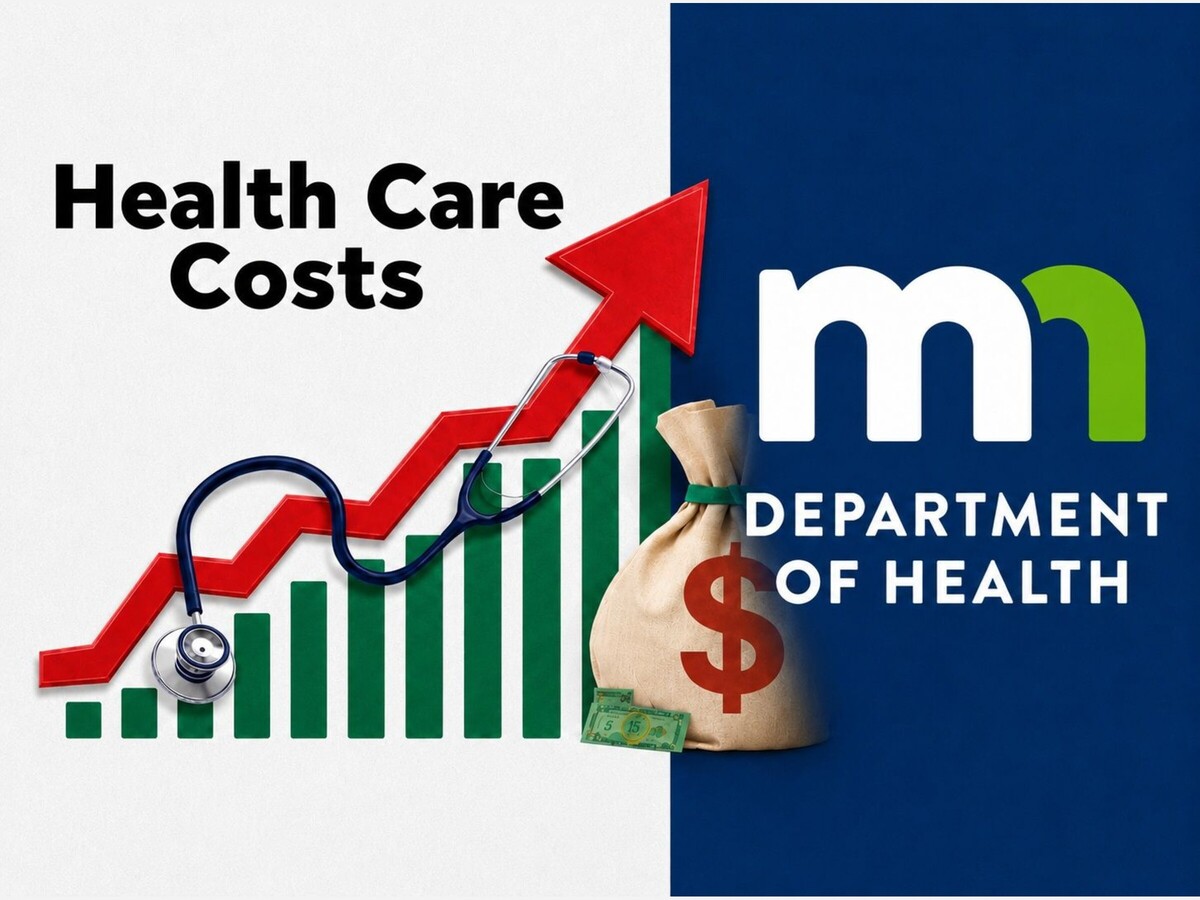



Study Finds Workers' Health Insurance Costs Have Increased Far Faster Than Earnings, Raising Concerns Over Affordability and Proposed Hospital Mergers
MINNEAPOLIS, MN (July 1, 2026) A new report examining the rising cost of health care in Minnesota concludes that many families are paying an increasingly larger share of their income for medical coverage and warns that continued consolidation among hospital systems could further accelerate those costs.
Released this week by North Star Policy Action, the report, "Rising Health Care Spending in Minnesota," argues that health care affordability has deteriorated across nearly every major form of insurance coverage in the state as hospital prices, prescription drug costs and broader industry consolidation continue to outpace wage growth.
Among its central findings, the report states that employee contributions toward employer-sponsored health insurance premiums increased 67 percent between 2013 and 2024, while median wages in Minnesota rose 42 percent during the same period. Researchers contend the widening gap means health insurance is consuming a growing share of workers' paychecks despite steady wage gains.
The report paints a picture of mounting financial pressure on Minnesota households, arguing that the state's affordability challenge is increasingly being driven by the price of health care rather than by greater utilization of medical services.
Researchers concluded that rising hospital prices have become one of the largest contributors to higher insurance premiums, deductibles and out-of-pocket expenses. Rather than Minnesotans receiving substantially more medical care, the report contends that the cost of providing that care has increased significantly over the past decade.
"Most people are quick to blame health insurance companies for their high premiums," said Jen Schultz, a University of Minnesota economics professor and one of the report's co-authors. "But folks only need to look at their bill or explanation of benefits to see another reason: high hospital prices. Higher hospital prices mean smaller paychecks and inflated premiums."
A central focus of the report is the growing consolidation of hospitals and health systems.
Researchers argue that mergers have given large health systems greater market leverage when negotiating reimbursement rates with insurers, allowing hospital prices to increase over time. Those higher negotiated prices, the report says, are ultimately reflected in higher insurance premiums and greater out-of-pocket costs for patients.
The report specifically highlights the proposed acquisition of Allina Health by California-based Sutter Health, describing it as an example of the type of consolidation that could intensify affordability concerns if not carefully scrutinized. While the report does not conclude that the transaction will necessarily increase prices, it argues that additional concentration within the health care market warrants close regulatory review.
The proposed transaction, announced earlier this year, would combine Minneapolis-based Allina Health with Sacramento-based Sutter Health, creating a health system with 39 hospitals, more than 400 care sites and approximately 88,000 employees across California, Minnesota and western Wisconsin.

The proposed merger has already generated discussion among labor organizations, consumer advocates and health policy experts.
The Minnesota Nurses Association has expressed concern that placing one of Minnesota's largest nonprofit health systems under the control of an out-of-state organization could affect affordability, accountability and patient access. The union has pointed to Sutter Health's history of antitrust litigation and previous allegations involving market power in California as reasons for careful public review of the transaction.
Supporters of the merger have argued that larger integrated health systems can improve operational efficiency, expand access to specialized care and strengthen long-term financial stability. As of this week, regulatory review of the proposed acquisition remains ongoing.
Beyond employer-sponsored insurance, the report warns that affordability pressures are affecting Minnesotans who purchase coverage through MNsure, the state's health insurance marketplace.
According to the analysis, the expiration of enhanced federal premium subsidies is expected to increase monthly insurance costs for many marketplace enrollees in 2026. On average, premiums for individuals previously receiving those enhanced subsidies are projected to rise by approximately 54 percent, although actual increases will vary based on age, income and geographic location.
Researchers caution that higher premiums could result in more Minnesotans delaying medical treatment, dropping insurance coverage altogether or relying on emergency care for conditions that might otherwise have been treated earlier.
The report cites polling indicating that 26 percent of Minnesotans have delayed medical care because of cost, while nearly half reported experiencing stress related to health care expenses.
Researchers also warn of a broader economic cycle that could affect both patients and providers.
If rising premiums lead more Minnesotans to become uninsured, hospitals may experience higher levels of uncompensated care. Those costs, the report argues, are often absorbed through higher charges to commercial insurers, which can then contribute to additional premium increases for employers and workers.
Aaron Rosenthal, research director at North Star Policy Action and a co-author of the report, said policymakers should not view rising health care spending as unavoidable.
"The worst thing we could do is treat rising health care spending as inevitable," Rosenthal said. "Even so, we have the power to make health care more affordable for working families in this state, and we should use it."
The report arrives as Minnesota policymakers continue debating how to balance affordability, competition and access within the state's health care system.
Hospital consolidation has become an increasingly prominent issue nationwide, with supporters arguing that larger health systems can improve care coordination and financial stability, while critics contend that reduced competition often leads to higher prices without corresponding improvements in quality.
Whether the proposed Allina-Sutter transaction ultimately proceeds remains subject to regulatory review. But the report's authors argue that the decision will have implications extending beyond a single corporate transaction, potentially influencing the future cost of health care for employers, workers and families across Minnesota.
For many Minnesotans, the report concludes, the challenge is already clear. As health insurance premiums continue rising faster than wages, the affordability of health care is becoming not merely a medical issue, but an increasingly significant household economic concern.
MinneapoliMedia | Community. Culture. Civic Life.



Sunny, with a high of 60 and low of 41 degrees. Sunny in the morning, overcast in the afternoon and evening, clear overnight.