74° and Clear
Image
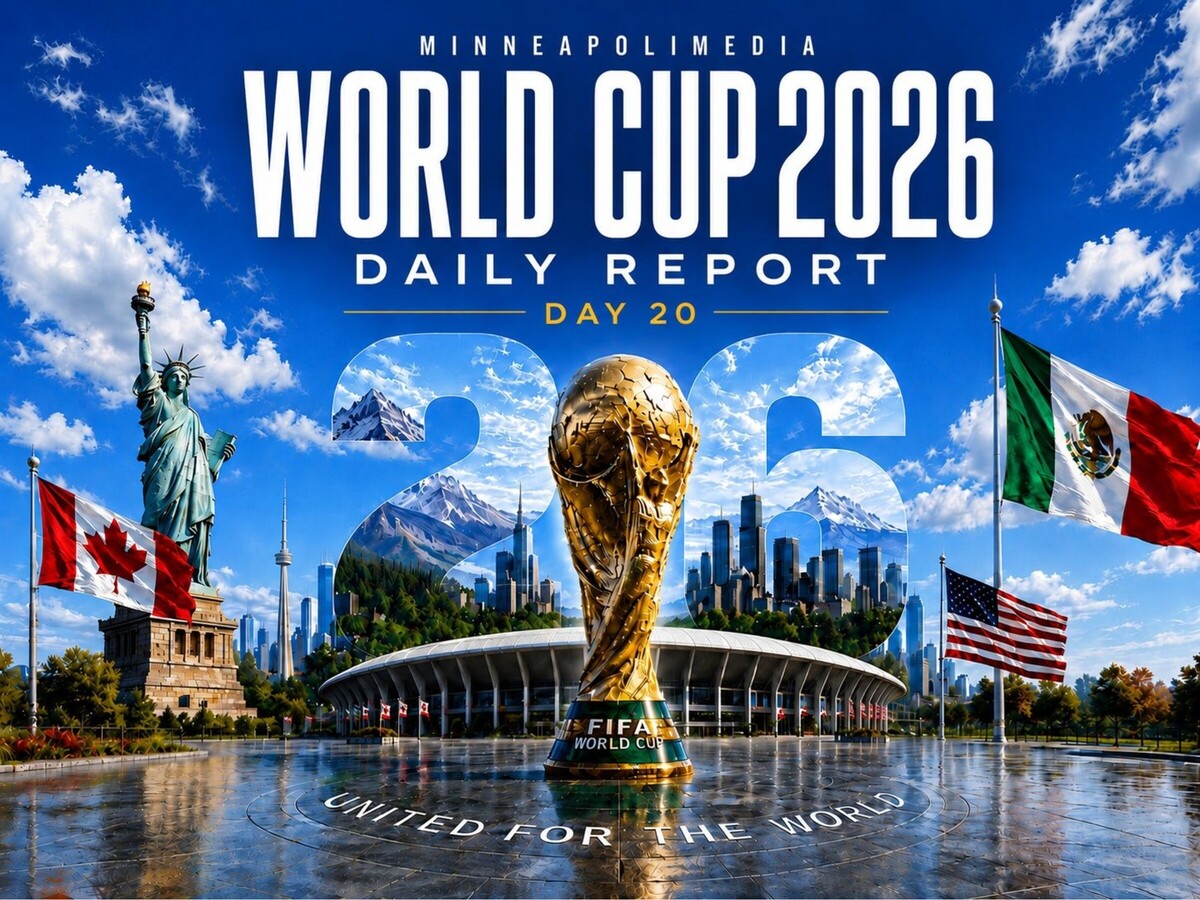



The knockout stage of the 2026 FIFA World Cup accelerated Tuesday with three compelling Round of 32 encounters that collectively illustrated why the tournament has rapidly shifted into an unforgiving examination of composure, efficiency, and championship mentality. Unlike the emotionally charged opening days of the elimination rounds, when underdogs repeatedly rewrote expectations and several traditional powers crashed unexpectedly out of the competition, Day 20 largely rewarded the established contenders. Yet none of the advancing nations reached the Round of 16 without first confronting unique tactical and psychological tests that demanded patience as much as brilliance.
Norway survived an increasingly dangerous Ivory Coast side behind another decisive intervention from Erling Haaland, whose late strike preserved one of the Scandinavian nation's finest international campaigns in modern history. France continued to resemble perhaps the tournament's most complete side, dismantling Sweden with clinical precision while Kylian Mbappé further strengthened an already extraordinary World Cup résumé. The evening concluded beneath the lights of Estadio Azteca, where host nation Mexico finally erased one of the longest-standing burdens in its football history by defeating Ecuador and advancing beyond the opening knockout round before a euphoric home crowd.
Collectively, the three victories revealed another defining characteristic of the expanded 48-team World Cup. Once the tournament enters its elimination phase, attractive football alone rarely proves sufficient. Successful teams demonstrate patience during difficult stretches, capitalize upon isolated moments, and defend with unwavering concentration when momentum inevitably shifts. Tuesday's survivors mastered precisely those qualities. As the Round of 32 continued to narrow the championship field, the pursuit of football's greatest prize became increasingly ruthless, where every mistake carried permanent consequences and every opportunity assumed historic significance.
|
Match |
Result |
Venue |
Status |
|
Norway vs. Ivory Coast |
2 – 1 |
AT&T Stadium, Arlington |
Norway advances |
|
France vs. Sweden |
3 – 0 |
MetLife Stadium, East Rutherford |
France advances |
|
Mexico vs. Ecuador |
2 – 0 |
Estadio Azteca, Mexico City |
Mexico advances |
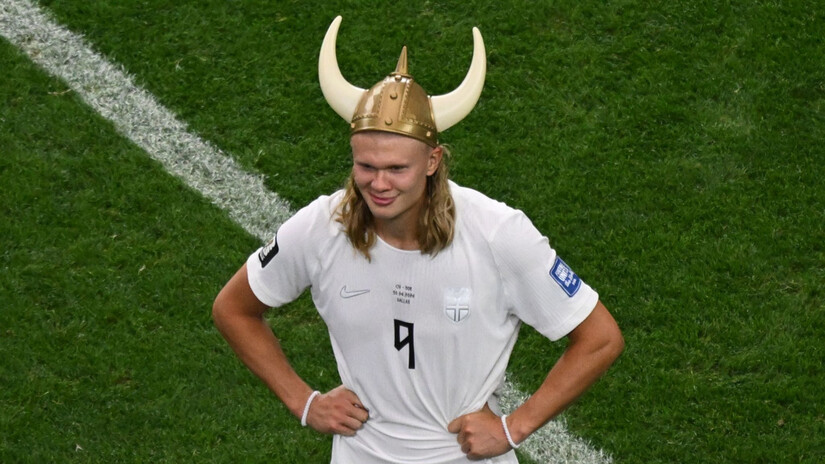
Tuesday's opening fixture inside AT&T Stadium paired two nations attempting to establish themselves among the world's emerging football powers. Norway arrived carrying unprecedented expectations after an outstanding group-stage campaign built around the devastating partnership of Martin Ødegaard and Erling Haaland. Ivory Coast, meanwhile, had quietly assembled one of Africa's most balanced squads, combining pace, athleticism, and tactical flexibility with the confidence generated by a successful opening phase.
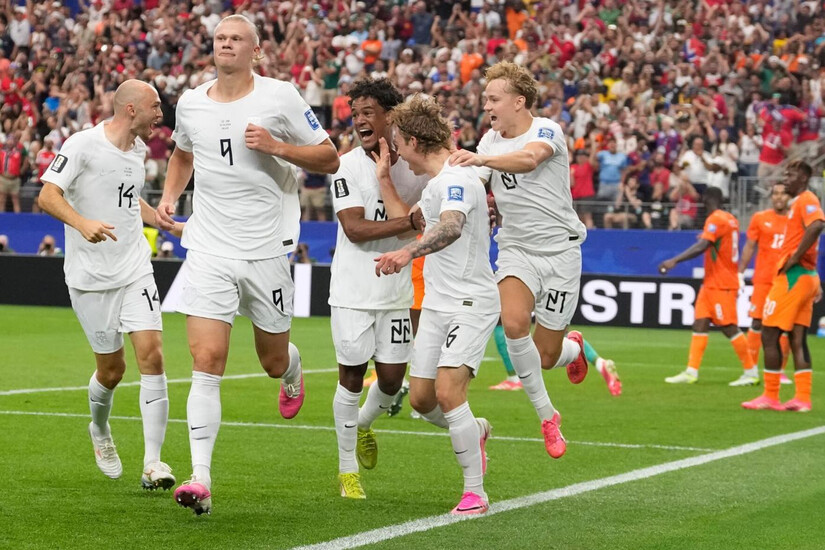
The contest immediately settled into a fascinating tactical duel. Neither manager demonstrated any willingness to surrender central space during the opening exchanges. Norway maintained patient possession through Ødegaard, while Ivory Coast deliberately erupted into a compact defensive shape designed to frustrate Haaland's movement between the center backs. Every Norwegian attack encountered multiple defenders, forcing the Scandinavians toward wider areas where crossing opportunities became increasingly frequent but genuine scoring chances remained scarce.
Eventually, however, Norway's growing territorial control produced its reward. In the 34th minute, teenage winger Antonio Nusa collected possession along the left touchline before drifting inside his defender with remarkable composure. Spotting a narrow shooting lane just beyond the penalty area, Nusa curled an exquisite effort beyond Yahia Fofana and inside the far post to hand Norway a priceless 1-0 advantage.
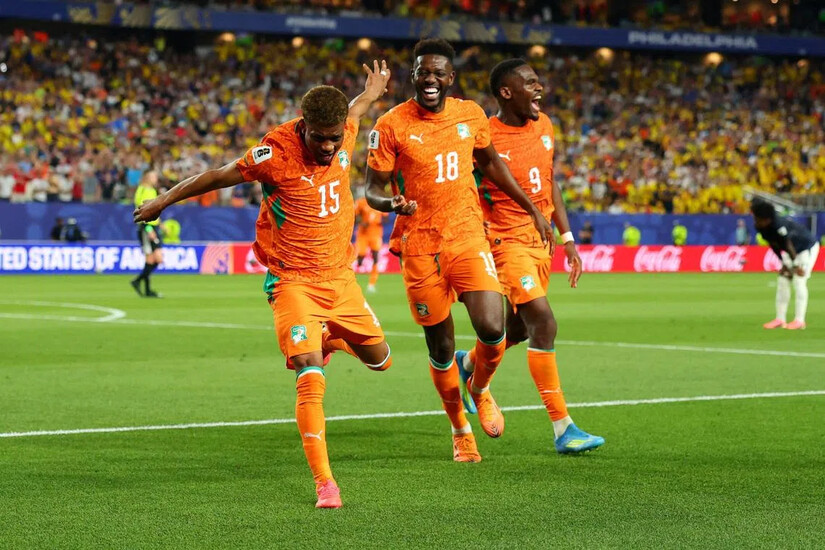
The finish immediately transformed the tactical landscape, forcing Ivory Coast into a more expansive setup. Needing an equalizer, head coach Emerse Faé introduced greater attacking ambition after halftime, deploying Amad Diallo to stretch the Scandinavian lines. The substitution altered the rhythm instantly. In the 61st minute, receiving possession deep inside Norway's half, the Manchester United winger accelerated beyond two defenders before calmly sliding his finish past Ørjan Nyland to restore parity at 1-1.
For nearly twenty minutes, Norway struggled to regain its earlier rhythm. Haaland remained unusually quiet throughout this phase, closely shadowed by Evan Ndicka, who successfully denied him meaningful service. Yet elite goalscorers rarely require sustained involvement to alter decisive matches. In the 88th minute, Norway launched one final coordinated attack. Ødegaard spotted Haaland making a sharp, incisive run to split the defensive line. A perfectly weighted through ball allowed the Manchester City striker to escape his marker for the first time all afternoon, needing only one touch to settle himself before driving a composed finish home to seal a dramatic 2-1 victory.
If Norway's victory showcased resilience under pressure, the afternoon's second Round of 32 fixture demonstrated the ruthless efficiency of a team increasingly resembling a World Cup favorite. France entered MetLife Stadium in East Rutherford having navigated the group stage with remarkable composure, blending defensive discipline with explosive attacking quality. Sweden, meanwhile, had earned widespread admiration for advancing through organization, collective defending, and tactical patience. Against France, however, the margin for error would prove nonexistent.
The opening twenty minutes belonged to the tactical discipline displayed by both sides. Sweden refused to allow Kylian Mbappé open space behind the back line, compressing the midfield and shifting laterally with impressive coordination whenever France circulated possession. Victor Lindelöf marshaled the defensive unit with authority, while the Swedish midfield remained compact enough to frustrate Aurélien Tchouaméni and Eduardo Camavinga. France controlled possession from the opening whistle but rarely penetrated the Swedish penalty area with meaningful regularity.
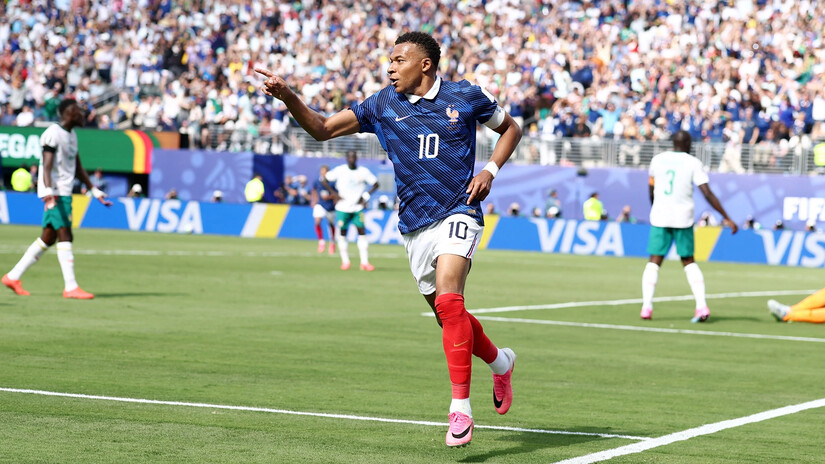
The sustained territorial pressure gradually began to erode Sweden's resistance, requiring intense physical effort from the underdogs to track horizontal movements. The breakthrough finally arrived in the 28th minute. Receiving possession near the left channel, Mbappé accelerated with a devastating change of pace, eliminating his primary marker before curling a low finish beyond Robin Olsen and into the far post to hand France a 1-0 advantage.
The goal fundamentally altered the match. Trailing forced the Scandinavians to abandon portions of their conservative structure, creating precisely the additional space France had patiently waited to exploit. Didier Deschamps sensed the shift immediately, encouraging Bradley Barcola and Michael Olise to attack more aggressively through the wide channels.
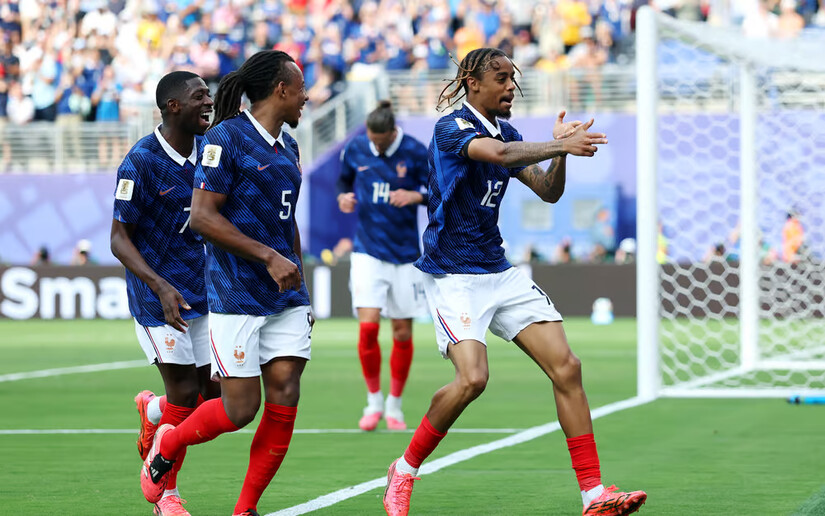
The second goal emerged from exactly that patient positional football in the 63rd minute. Olise collected possession between Sweden's midfield and defensive lines before threading a perfectly weighted through ball toward the advancing Barcola, who struck confidently past Olsen to double France's advantage.
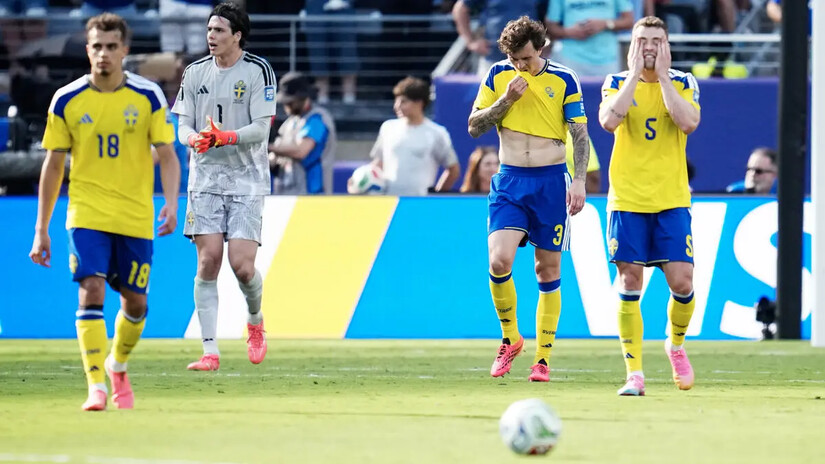
The outcome felt increasingly inevitable as William Saliba and Dayot Upamecano controlled the penalty area with commanding authority, keeping Mike Maignan largely untroubled. France put the match out of reach late in regulation. Following a defensive infraction inside the box, the referee pointed to the spot in the 84th minute. Mbappé stepped forward and calmly sent Olsen the wrong direction to complete his brace and seal a comprehensive 3-0 victory, reinforcing his position at the forefront of the 2026 Golden Boot race.
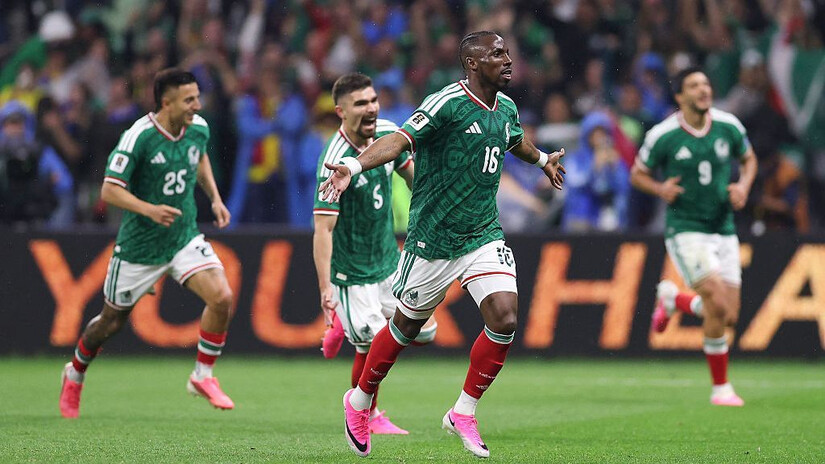
As evening descended across Mexico City, the emotional center of the 2026 FIFA World Cup shifted to one of football's most iconic venues. Estadio Azteca has witnessed World Cup history on countless occasions, but on Tuesday night, it became the setting for another chapter of enormous national significance. Mexico entered its Round of 32 encounter carrying more than the expectations of a host nation; it carried the accumulated weight of generations of early knockout dejection.
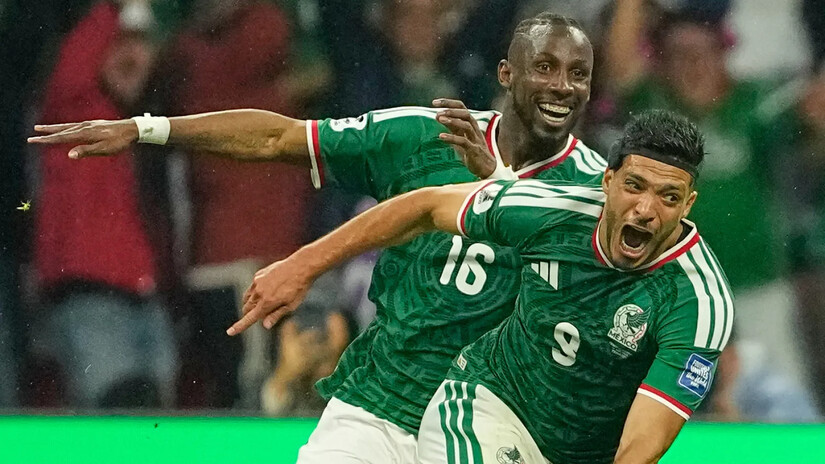
Before a ball was kicked, severe thunderstorms rolled across Mexico City, forcing tournament officials to implement a mandatory safety delay that pushed kickoff back by approximately one hour. The pause failed to dilute the energy inside the venue, as more than 80,000 supporters remained inside Azteca, intensifying the atmosphere until the teams emerged.
Mexico responded to the crowd immediately, attacking with remarkable aggression from the opening whistle. Javier Aguirre's side utilized a high-intensity press to unpick Ecuador's structural shape, and the breakthrough materialized in the 11th minute. Winning possession deep inside midfield, El Tri transitioned forward with exceptional speed. Julián Quiñones timed his run perfectly, receiving a crisp pass from Luis Chávez before calmly finishing past Hernán Galíndez to ignite extraordinary scenes throughout the stadium.
Mexico refused to retreat after taking the lead, continuing to force Ecuador into hurried decisions while maintaining complete territorial control. The pressure produced a deserved second goal before the interval. In the 39th minute, a flowing attacking sequence freed Raúl Jiménez inside the penalty third, and the experienced striker finished confidently to double Mexico's advantage and place the hosts firmly in command before the interval.
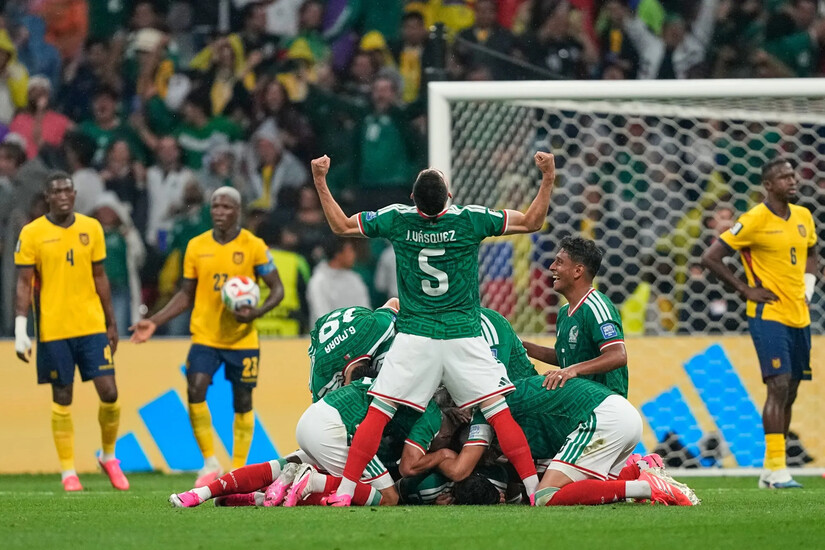
Leading 2-0 transformed the tactical equation for the second half, allowing Mexico to concentrate upon maintaining defensive organization and exploiting transition opportunities. Edson Álvarez anchored the midfield with commanding authority, repeatedly disrupting Ecuadorian attacks before they developed into genuine threats, while César Montes organized the defensive line superbly to keep modern clean sheets intact. Ecuador's frustrations boiled over late in the match when defender Piero Hincapié received a straight red card following a reckless challenge, completely summarizing Ecuador's increasingly desperate evening. The final whistle triggered an absolute national celebration, marking Mexico's first appearance in a World Cup last sixteen bracket in decades.
Day 20 reinforced several strategic themes that have steadily emerged throughout the elimination phase:
The Round of 32 bracket continues to narrow the global field with absolute ruthlessness. With the tournament heavyweights successfully validating their pedigree under knockout friction, the competitive landscape enters its most cutthroat phase, where reputations are completely discarded and tactical execution remains the solitary currency of survival.
MinneapoliMedia | Community. Culture. Civic Life.


Sunny, with a high of 94 and low of 64 degrees. Sunny for the morning, clear overnight.