Image



ST. PAUL, MN (July 7, 2026)
Minnesota is embarking on one of its most significant school safety initiatives in recent years, requiring every public school district and charter school to implement an anonymous threat reporting system designed to identify warning signs of violence before a crisis unfolds.
The new statewide requirement, enacted during the 2026 legislative session, reflects a growing shift in school safety strategy: moving beyond locks, cameras, and security infrastructure toward early intervention based on behavioral warning signs and community reporting.
Beginning over the next two years, every public elementary, middle, and secondary school in Minnesota must either adopt the Department of Public Safety's statewide anonymous threat reporting system or implement its own local system that satisfies detailed state standards. Schools have until July 1, 2027, to select their reporting platform and until July 1, 2028, to have a fully operational system in place.
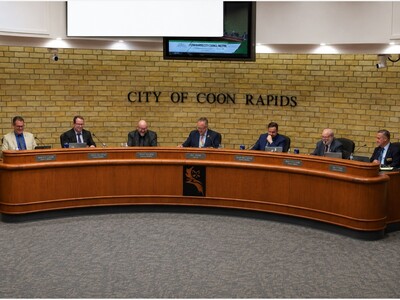
The legislation was championed by Kari Rehrauer, a DFL representative from Coon Rapids and former educator, who argued throughout the legislative process that strengthening school safety requires addressing the human factors that often precede acts of targeted violence.
"Many school shooters are students at their own schools," Rehrauer said while advocating for the legislation. She pointed to longstanding threat-assessment research indicating that more than 80 percent of school attackers exhibit observable warning signs before an attack and that approximately 94 percent communicate their intentions to someone else beforehand, whether a classmate, friend, family member, or school employee.
Those findings mirror years of research by the United States Secret Service National Threat Assessment Center, which has consistently concluded that targeted school violence is rarely impulsive and is often preceded by behaviors that create opportunities for intervention.
For more than two decades, schools across Minnesota have invested heavily in physical security improvements, including controlled entrances, surveillance cameras, secure vestibules, visitor screening systems, and emergency lockdown procedures.
Supporters of the new law contend those measures remain important but are often insufficient because many potential attackers are already students with authorized access to campus.
The anonymous reporting requirement seeks to close that gap by creating multiple pathways for students, parents, educators, and community members to confidentially report concerning behavior before violence occurs.
Rather than focusing solely on active shooter scenarios, the reporting systems are intended to identify a broad range of concerns, including threats of violence, weapons possession, bullying, self-harm, suicidal ideation, harassment, and other behaviors suggesting that intervention may be needed.
The law establishes detailed statewide standards for anonymous reporting systems.
Schools may either contract with an approved third-party provider to develop their own local platform or utilize the statewide reporting system offered through the Minnesota Department of Public Safety. The Minnesota Department of Education, working in collaboration with the Department of Public Safety, will maintain a list of approved providers, including free and low-cost options available to districts and charter schools.
To comply with state law, every reporting system must include:
The legislation extends beyond simply collecting anonymous tips.
Every participating public school must establish a school-based response team consisting of at least three trained employees responsible for evaluating reports and coordinating appropriate interventions.
Depending on the circumstances, those responses may involve school administrators, counselors, mental health professionals, social workers, law enforcement, or emergency services.
Schools implementing local systems are required to identify a primary contact for each response team and report that information to the Department of Education.
The legislation also creates new statewide oversight intended to evaluate whether the systems are functioning effectively.
Beginning December 15, 2028, and annually thereafter, the Commissioner of Education must submit a report to legislative committees overseeing education and public safety.
The report will include:
Supporters say the reporting requirements will allow lawmakers to measure not only how frequently the systems are used but also whether they are preventing violence while avoiding unnecessary or disproportionate disciplinary outcomes.
The legislation reflects a broader national evolution in school safety policy.
In the years following high-profile school shootings across the United States, researchers have increasingly emphasized behavioral threat assessment rather than relying exclusively on physical security measures.
The premise underlying Minnesota's new law is that opportunities to prevent violence often exist well before an attack occurs—provided someone has a trusted, confidential way to report what they have seen or heard.
By encouraging students and community members to speak up without fear of retaliation, lawmakers hope anonymous reporting systems will become another layer of protection for schools while also helping identify students experiencing mental health crises, bullying, or other challenges requiring early support.
As districts begin selecting reporting platforms over the coming year, Minnesota's public schools will be preparing not simply to comply with a new legal mandate, but to reshape how warning signs are recognized, communicated, and addressed.
The objective is straightforward but consequential: to ensure that concerning behavior is identified early enough for educators, counselors, families, and law enforcement to intervene before tragedy has the opportunity to unfold.
MinneapoliMedia | Community. Culture. Civic Life.



Sunny, with a high of 85 and low of 49 degrees. Sunny for the morning, overcast for the afternoon and evening, clear overnight.