Image



MINNEAPOLIS, MN (July 7, 2026)
Minnesota recorded fewer firearm homicides in 2025 than the previous year, marking a significant decline in one of the state's most closely watched public safety indicators. Yet the encouraging trend was overshadowed by another reality: firearm suicides continued to rise, accounting for more than three out of every four gun deaths statewide.
Newly released mortality data compiled by the Minnesota Department of Health (MDH) and analyzed by the nonprofit advocacy organization Protect Minnesota show that 549 Minnesotans died from firearm-related injuries in 2025, down slightly from 564 deaths in 2024. The reduction of 15 deaths represents an overall decline of approximately 2.7 percent, but the figures reveal two sharply different stories unfolding across the state.
While firearm homicides fell by nearly one-fifth, firearm suicides reached a new high, reinforcing what health experts increasingly describe as Minnesota's most pressing gun violence challenge.
"We're encouraged to see firearm homicides continue to decline," Maggiy Emery, executive director of Protect Minnesota, said in a statement accompanying the report. "But we cannot lose sight of the fact that 549 Minnesotans died from gun violence in 2025. Every one of those deaths represents a family, a community, and a future forever changed." The organization said the latest data underscore the need to continue investing in evidence-based violence prevention, suicide prevention, and crisis intervention efforts.
According to the MDH data, Minnesota recorded 119 firearm homicides in 2025, down from 148 in 2024, representing a decline of approximately 20 percent.
Although the statewide decrease is significant, the burden of firearm homicide remains heavily concentrated geographically and demographically.
Nearly 70 percent of firearm homicide victims lived within the seven-county Twin Cities metropolitan area, reflecting the continuing concentration of lethal interpersonal violence in Minnesota's urban centers.
The data also show that:
Public health researchers have long noted that firearm homicide disproportionately affects younger adults and communities experiencing higher rates of poverty, housing instability, and historic inequities. While Minnesota continues to report one of the nation's lower firearm homicide rates overall, the disparities within the state remain substantial.
The reduction in homicides was offset by an increase in firearm suicides, which remain the leading cause of gun-related deaths in Minnesota.
The state recorded 424 firearm suicides in 2025, compared with 406 in 2024.
Those deaths accounted for approximately 77 percent of all firearm fatalities statewide, an increase from 72 percent the previous year.
The demographic profile of firearm suicides differs markedly from firearm homicides.
According to the report:
Mental health professionals note that firearms remain the most lethal method of suicide, making temporary separation from firearms during periods of acute crisis one of the most effective interventions available. Numerous studies have found that many suicide attempts occur during relatively brief periods of intense emotional distress, meaning delaying access to a firearm can significantly improve survival rates.
The report also points to increasing use of Minnesota's Extreme Risk Protection Order (ERPO) law, commonly referred to as the state's "red flag" law.
The law, which took effect in January 2024, allows family or household members, guardians, and law enforcement officers to petition a court to temporarily prohibit an individual from purchasing or possessing firearms if the court determines the person poses a significant danger to themselves or others.
Protect Minnesota said awareness and use of ERPOs increased throughout 2025, particularly as law enforcement agencies, courts, and families became more familiar with the process.
Advocates argue the law provides an important tool for preventing both suicides and acts of interpersonal violence by creating a legal mechanism to intervene before a crisis becomes fatal. Critics, meanwhile, have continued to raise questions regarding due process protections, though Minnesota's law requires judicial review and establishes procedures for hearings, appeals, and the eventual restoration of firearm rights when legal standards are no longer met.
For years, the Minnesota Department of Health has framed firearm injury not solely as a criminal justice issue but as a public health concern requiring prevention strategies that address violence, mental health, substance use, trauma, and community conditions.
The latest figures reinforce that perspective.
While homicide rates appear to be moving in a positive direction, suicide now dominates Minnesota's firearm mortality profile. More than three out of every four firearm deaths in 2025 resulted from suicide rather than interpersonal violence.
For policymakers, health professionals, and community leaders, the data suggest that continued progress will require two parallel strategies: sustained investments in violence prevention in communities most affected by firearm crime and expanded access to mental health services, crisis intervention, and suicide prevention resources throughout the state, particularly in Greater Minnesota.
The numbers also serve as a reminder that gun violence extends far beyond high-profile criminal incidents.
Behind each statistic is an individual life lost, a grieving family, and a community left to cope with the lasting consequences.
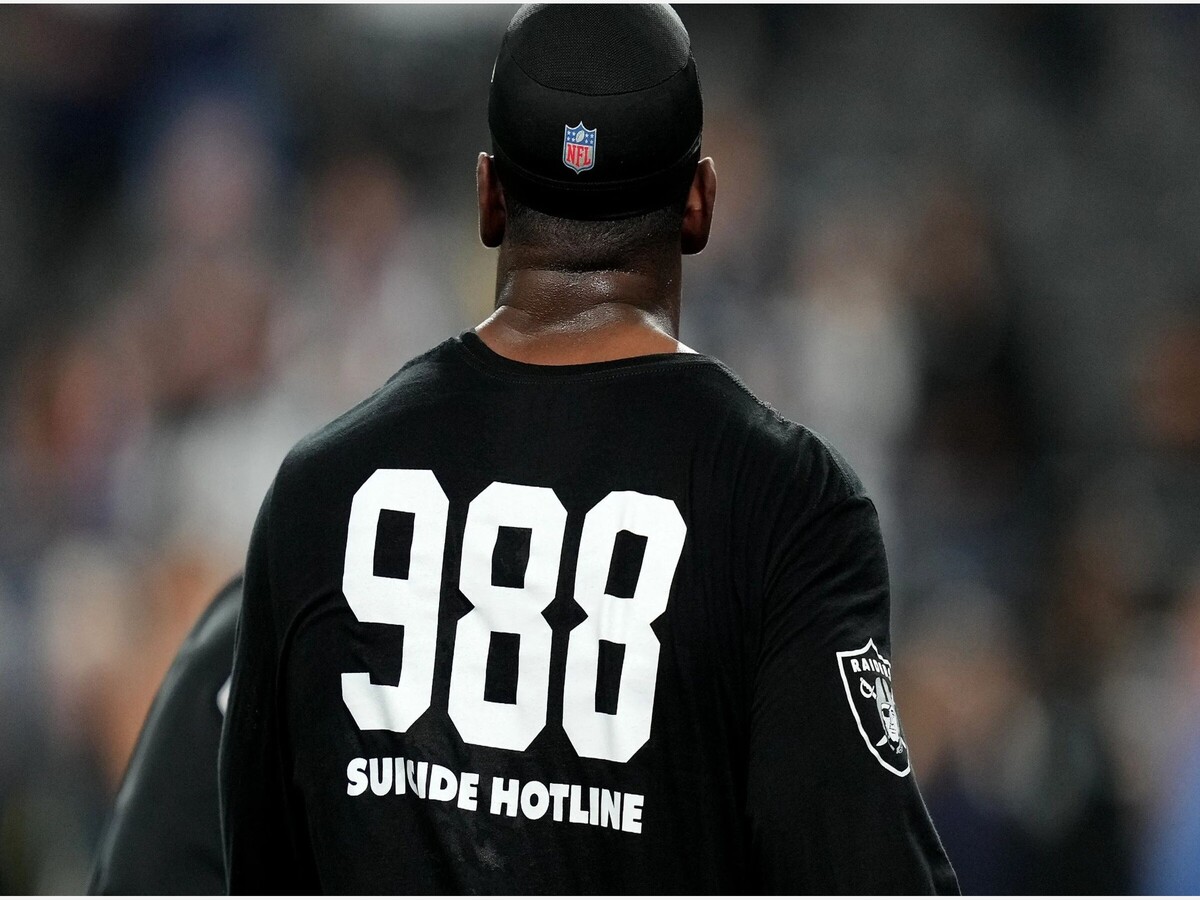
If you or someone you know is experiencing a mental health crisis or having thoughts of suicide, help is available 24 hours a day. Call or text the Suicide & Crisis Lifeline by dialing 988 to connect with a trained crisis counselor.
MinneapoliMedia | Community. Culture. Civic Life.


Sunny, with a high of 70 and low of 52 degrees. Sunny in the morning, clear in the afternoon and evening, patchy rain nearby overnight.