57° and Clear
Image
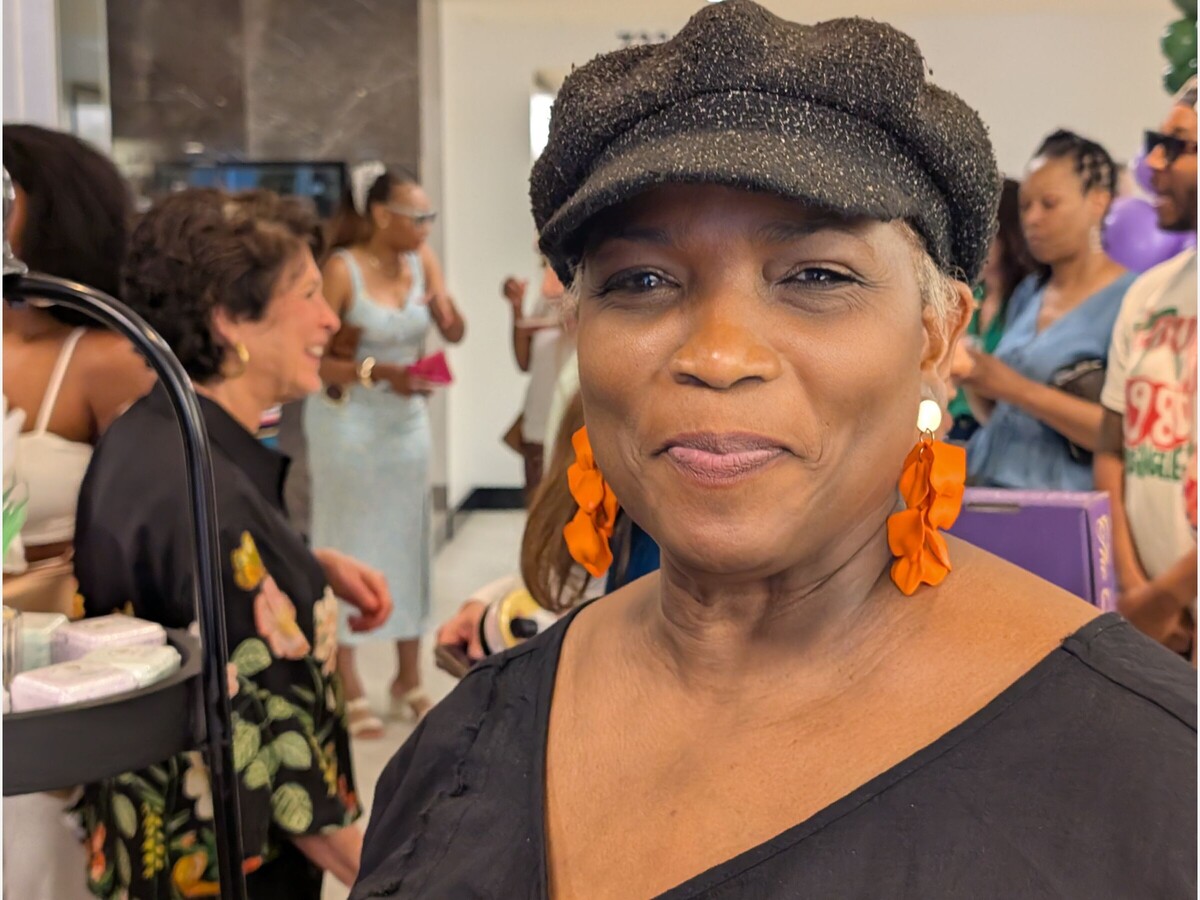



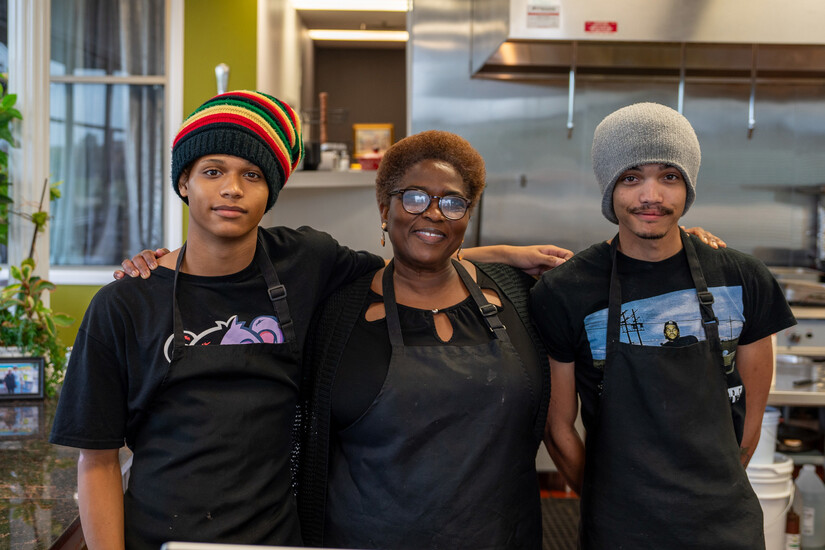
"I am doing a million things," she said, her voice carrying the warm, rhythmic lilt of St. Ann, Jamaica. "Cooking, cleaning... Monday is the only time I get to do this."
The apology was entirely unnecessary, but the scene was a thesis statement.
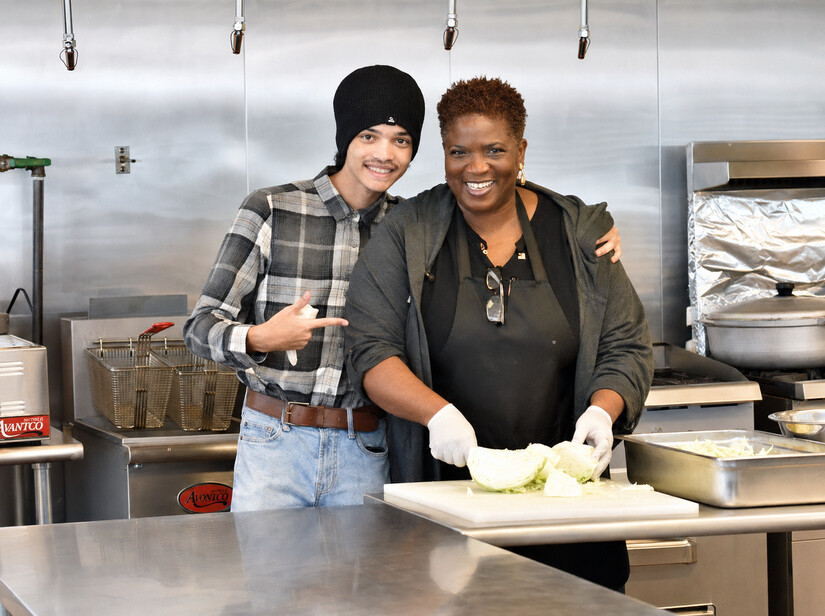
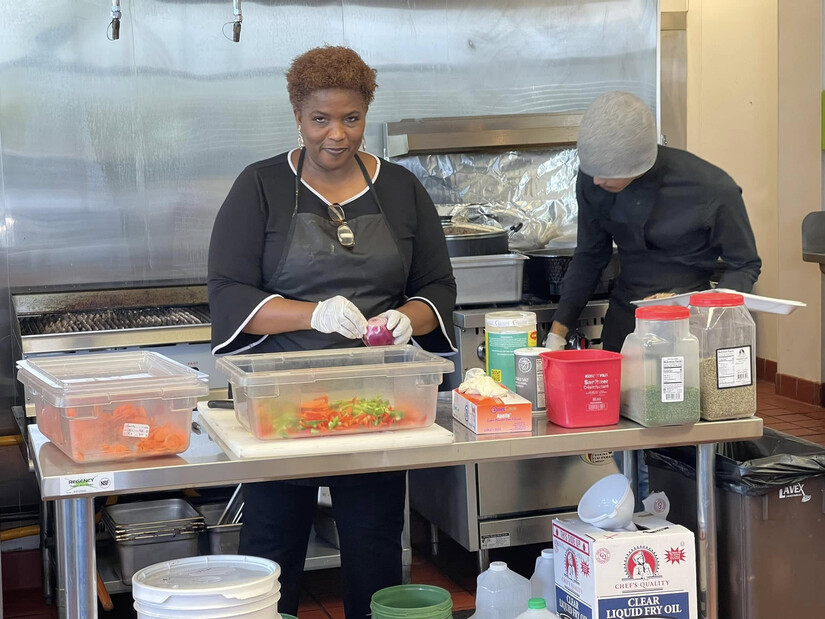
Nearly four years after opening Nadia’s Jamaican Kitchen in a suburban strip mall in Brooklyn Park, Wotrang-Brown remains the restaurant’s sole cook. She seasons the meats, stirs the heavy pots, manages the front counter, and mentors the adult children who have helped transform their mother’s wild, late-in-life gamble into a family enterprise. Her food has earned regional acclaim, landed on local television, and fed more than twenty Major League Baseball teams. Yet behind the growing accolades stands the daily, relentless labor of a woman moving between an oven, a ringing telephone, and a life she risked everything to build.
Her narrative is often reduced to its most dramatic headline: At age 54, Nadia sold her Woodbury home to finance a restaurant dream.
That fact is true, but incomplete.
She also walked away from a twenty-year career in food service management after enduring years of systemic disrespect. She bought and hauled 49 used golf course chairs through three separate residential moves because she believed, with absolute conviction, that she would one day have a dining room to put them in. She relied on six months of shelter from a lifelong friend when she had no roof over her head. She weathered a December opening in the dead of a Minnesota winter, anchored entirely by the culinary ghost of her late mother, Lu-Cynthia Hayden Brown, known throughout her parish as Mama Lu.
Most of all, Nadia built a sanctuary where customers are greeted like returning family, offered free tastes of curry before spending a dollar, and treated with an unyielding standard of human dignity.
"I do not even care if they say anything about me in the end," Wotrang-Brown says. "I want my children to carry on this tradition. I want them to continue to serve people, to respect people, to love people, and to be good stewards."
Every monumental risk requires a witness, someone who sees the vision before the foundation is laid. For Nadia, that witness was De’Vonna Pittman, founder of Nature’s Syrup Beauty. Their friendship spans more than 35 years, forged through the shared trials of young motherhood.
"Meeting De'Vonna, watching her as a single mother raise her daughters, I was like, wow," Wotrang-Brown recalls with a laugh. "You put me to shame, chica. You never really know a real, real good mother until you meet one."
When Nadia confessed her desire to quit her corporate management job, sell her house, and open an authentic Jamaican kitchen, her own family panicked. They asked if she was suffering a midlife crisis. Her son Tyler warned that if the venture failed, she would end up living in his basement.
"Honey, I will never live in your basement, don't worry about that," she told him. "I have to do this for myself because I believe in myself. If not now, when?"
Pittman did not hesitate. Having eaten Nadia's food for decades, she offered a simple mandate: "Girl, go for it."
When the house sold and the restaurant permits stalled, leaving Nadia temporarily homeless, Pittman and her husband Speedy opened their doors. Nadia stayed in their guest room for six months. For the first three months, her hosts refused to accept a dime of rent. Nadia responded in the only currency she knew: she took over the kitchen.
"I spoiled them rotten," Nadia says. "When I tell you I fed them, I fed them. Speedy said if they ever took in a long term guest again, I was the only person allowed."
The story of entrepreneurship is frequently sold as a myth of individual grit. Nadia’s reality offers a truer account. Her courage was essential, but so was the friend who offered her a place to sleep while the dream was coming alive.
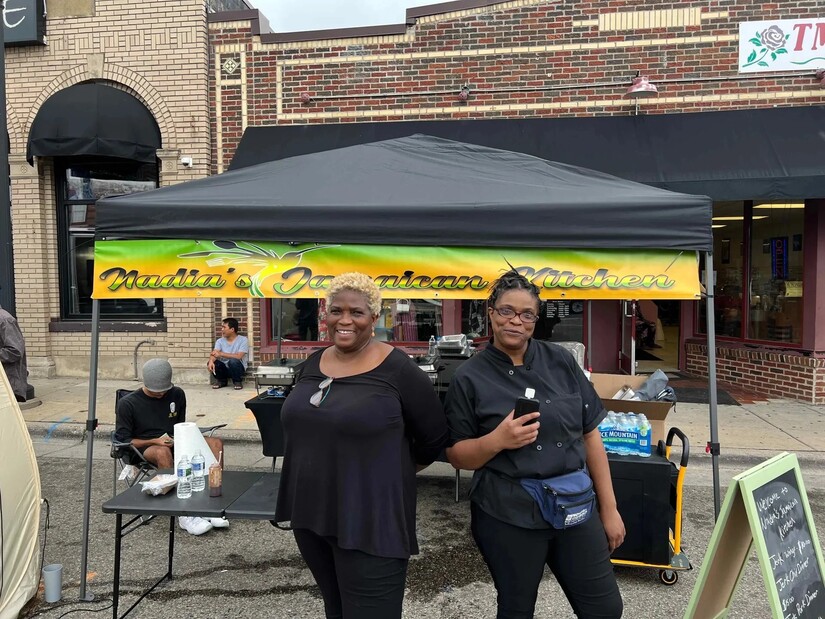
Wotrang-Brown did not leap into restaurant ownership on a whim. She brought more than two decades of formal food service administration to the counter.
As an assistant food service director at the University of Minnesota, she oversaw high-volume dining halls, managed kitchen crews, coordinated with executive chefs, and ensured that thousands of students were fed daily. The role gave her an advanced education in kitchen systems, food safety, inventory management, and high-speed prep execution.
"That experience literally brought me where I am today," she explains. "Jamaican food traditionally takes hours to prepare. In corporate dining, I learned how to streamline prep time without sacrificing a single drop of flavor."
She also learned what she refused to tolerate in a workplace.
Later, while working as a manager at Famous Dave’s, Nadia found herself routinely facing hostility from staff members who resisted her authority. When she filed a formal write-up for a disruptive employee, her supervisor dismissed her concerns, stating that the worker was "never going to change."
For Nadia, that was the final straw. "If he is never going to change, then why is he here?" she asked. "And why am I here puttin' up with it?"
She quit that very day.
"I quit my job, put my house on the market, and went on vacation to Florida," she says. "In that exact order. My family thought I had lost my mind."
While staying at her sister's Airbnb in Florida, Nadia kept in constant touch with her realtor back in Minnesota. Years of searching for commercial space had yielded rejection after rejection from property owners unwilling to take a chance on an independent minority restaurateur. But while down south, the call finally came: a space in Brooklyn Park was open. Nadia immediately rebooked her flight, landed in the Twin Cities, and finalized the deal.
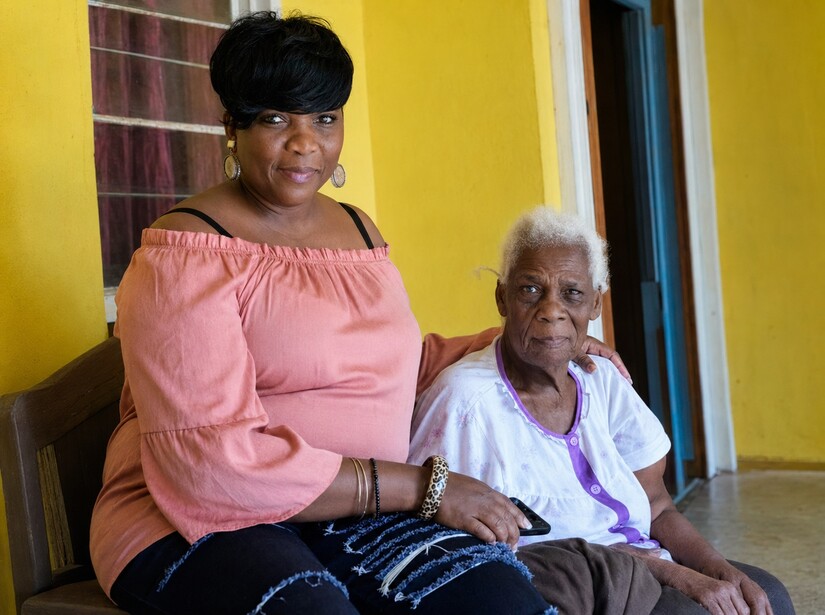
Long before she signed that lease, Nadia was collecting pieces of her future. Seven years prior to opening, she spotted a Craigslist ad for a golf course liquidating its furniture. She drove out with her young son Brandon and found a seller eager to clear space.
"The lady said, 'Take as many as you want,'" Nadia remembers. "Man, she should not have told me that."
She bought 49 sturdy dining chairs for fifty dollars. Renting the U-Haul to transport them cost more than the furniture itself. She had no building, no capital, and no timeline. Yet through three house moves, those 49 chairs sat stacked in garages, waiting. She sanded and repainted every single one by hand.
Years later, after securing the Brooklyn Park site, Nadia walked through the front doors carrying two refinished chairs. She froze mid-step. The room, the sunlight, and the weight in her hands matched a vivid dream she had experienced years earlier.
"I stopped in my tracks," she says. "It was pure deja vu. I had to stand right there and give thanks."
The soul of those chairs, however, belongs to Mama Lu.
Growing up in Trelawny, Jamaica, Nadia actually resisted the kitchen. While her mother baked for whole villages, young Nadia looked for any excuse to run outside.
"When it was time to cook, I would say, 'I do not want any dinner tonight,'" Nadia laughs. "My mom would say, 'Okay,' and make sure I didn't get any! But I was watching her. I paid attention."
Mama Lu, known formally as Lu-Cynthia Hayden Brown, never wrote down a recipe. She cooked by intuition, aroma, and ancestral muscle memory. During Christmas, her living room tables were covered in dark, liquor-soaked black cakes, cornmeal puddings, and sweet potato puddings. Travelers from across the island, including a regular named Tommy who flew in from the United States every December, made a mandatory pilgrimage to her kitchen.
When Mama Lu passed away five years ago, she never got to see her daughter’s restaurant. But her standards govern every pot on Nadia’s stove today.
"People think my food is great, but it is nothing compared to hers," Nadia says softly. "I wrote her methods down from memory. I do not water down the spices. I do not sugar it down for American palates. Authentic means doing it the way it is done in Jamaica."
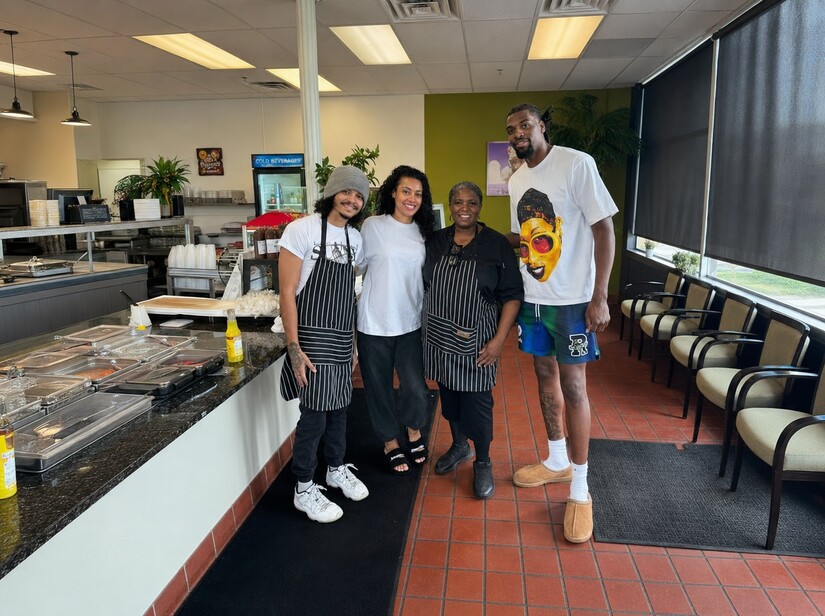
Nadia’s Jamaican Kitchen opened on December 28, 2022, amidst a harsh Minnesota freeze. On opening day, a DoorDash driver accidentally crashed a vehicle straight into the front window of the building.
Nadia did not panic. "We started with a bang," she laughed. "Literally."
Four months later, her phone rang. It was Alan Stern, performance chef for the Minnesota Twins. He had heard whispers about her slow-simmered oxtail, curry goat, and moist jerk chicken, and wanted to place Nadia on the official catering list for visiting teams.
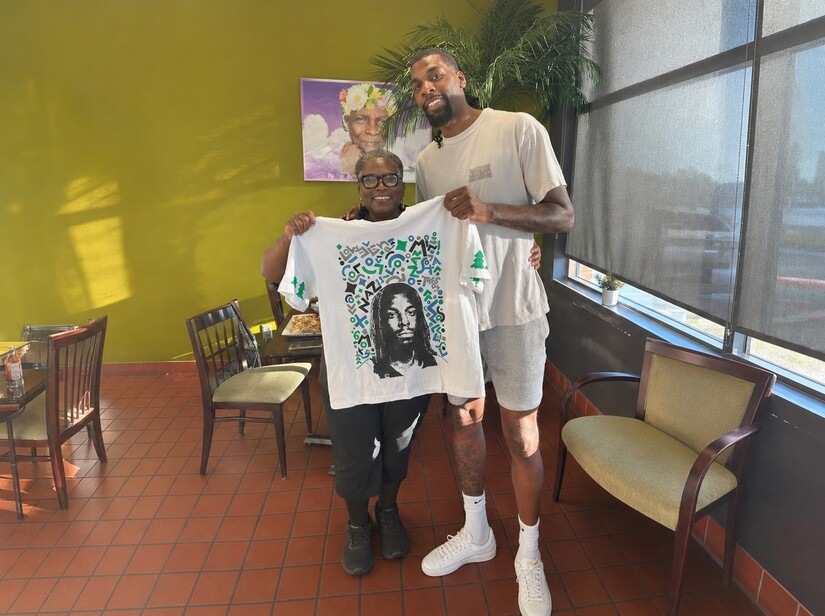
Soon, word spread across professional sports leagues. To date, Nadia’s kitchen has catered for 22 Major League Baseball teams, including the Houston Astros, Toronto Blue Jays, New York Mets, Texas Rangers, and Oakland Athletics.
Yet the restaurant's true value is measured in personal restoration. Nadia’s children, once skeptical, are now the backbone of the enterprise. Her son Tyler, 25, serves as her main operator, manager, and delivery lead. Her daughter works front-of-house on weekends, and her son Brandon handles grant writing, sales tax filings, and structural repairs.
"Tyler is my faithful little soldier," Nadia says. "As long as you feed him, his attitude is fine. But when he is hungry, he turns into Betty White in that Snickers commercial."
The restaurant has drawn the family together in ways they never anticipated. When a tragic cancer diagnosis recently took the life of 26-year-old family friend who was like a granddaughter to Nadia, the grief hit the household hard. Hearing of their loss, a frequent customer, who happens to be a coach for the Minnesota Timberwolves, called the restaurant during the NBA playoffs and gifted Tyler and his brother fifth-row executive tickets to a playoff game to lift their spirits.
"Look at us now," Nadia tells her children. "The Major Leagues are coming to eat my food, and no, I do not have to live in anyone's basement."
Operating an immigrant-owned business in Minnesota comes with distinct challenges during periods of administrative delay and regional economic uncertainty.
Across the Twin Cities metro area, shifts in enforcement activity and public anxiety have often created noticeable drops in daily foot traffic for neighborhood establishments. For Nadia, the impact was felt directly in her dining room as regular patrons temporarily hesitated to go out.
Rather than engaging in political conflict, Nadia stayed focused on keeping her restaurant a quiet, welcoming sanctuary for every customer who walked through the doors.
"Business slowed down, and people were cautious," Nadia recalls. "Neighborhood spots like ours depend on regular foot traffic. When fear keeps people in their homes, small businesses feel it right away. But my job is to keep cooking, stay open, and serve everyone who comes in with respect."
Her civic presence in the community remains strong. Local leaders, including the Brooklyn Park Chief of Police and State Representative Kelly Morrison, have frequented the restaurant, engaging with Nadia as a key business owner in the area. Her restaurant has even served as a bipartisan meeting site for state representatives.
At the same time, Nadia is navigating complex administrative hurdles. Having lived legally in the United States for nearly 40 years as a permanent resident, she formally applied for U.S. citizenship when federal policies began shifting. Though she passed her citizenship examination, her case remains caught in systemic backlogs alongside her green card renewal, leaving her in a temporary legal limbo where she cannot travel abroad to visit Jamaica.
Adding to these pressures is a recent $15,000 financial setback involving a food trailer purchase. After investing business capital into an out-of-state trailer through Facebook Marketplace, the unit failed state electrical and plumbing inspections. When Nadia requested a refund, the dealer issued a repossession notice and took the trailer back without returning her funds, forcing her to pursue civil remedies.
Yet she refuses to operate from a posture of defeat. On Thursday nights, after the last orders are bagged, her dining room transforms. A local Jamaican pastor and University of Minnesota professor, Pastor Collins, leads a young men's study group for Tyler and his peers around those same 49 refinished chairs.
"I stood in the back one night and heard my son pray out loud," Nadia says, her voice softening. "I smiled from ear to ear. I said, 'Thank you, God, that I can use this place for something positive.'"
For Nadia, building community is not confined to her own storefront. True to the communal spirit of Jamaican culture, she actively lifts up other local builders who are serving Minnesota.
When asked who else deserves the public spotlight, Nadia points immediately to two individuals: Scooter Draughn and Angel.
Scooter, founder of the non-profit organization Honor to Help, operates with what Nadia calls a "heart of gold." Every August, his organization hosts a massive back-to-school community drive in the Twin Cities, distributing hundreds of free backpacks, school supplies, and resources to local youth.
"Scooter has the biggest heart you will ever find," Nadia says. "He does it every single year, and it just keeps growing. He deserves every bit of recognition."
Similarly, Nadia finds inspiration in Angel, owner of Angel’s Soul Food Kitchen. Operating two successful locations, including a new site in St. Paul, Angel has become a trusted mentor to Nadia in the local food industry.
"In business, a lot of owners hold their secrets close to their chest," Nadia notes. "Not Angel. She is an open book. When I was looking into commercial equipment, she offered to use her supplier connections so I wouldn't get hit with heavy shipping costs. She is kind, trustworthy, and building something incredible."
By staying connected with leaders like Scooter and Angel, Nadia sees her work as part of a broader ecosystem of minority entrepreneurs strengthening the social fabric of Minnesota.

Nadia Wotrang-Brown did not risk her home for the title of business owner. She risked it for the freedom to serve people on her own terms.
Ten or twenty years from now, she envisions her children and grandchildren running Nadia's Jamaican Kitchen, keeping the recipes unaltered and the doors open to anyone seeking comfort in a warm meal.
Back in her kitchen, the timer dings. The food in her oven is ready. The telephone rings again with a prospective customer asking if the oxtail is still available tonight.
Nadia wipes her hands on her apron, smiles into the receiver, and answers with the same unhurried warmth that once filled her mother's house in Jamaica.
"Yes, honey," she says. "We have a plate waiting for you."
STAY CONNECTED TO MINNEAPOLIMEDIA
Local stories matter. Subscribe free to MinneapoliMedia and receive independent news, community reporting and important updates from Minneapolis, the North Metro and communities across Minnesota.
SUBSCRIBE FREE: https://minneapolimedia.town.news/subscribe
MinneapoliMedia | Community. Culture. Civic Life.



Sunny, with a high of 93 and low of 63 degrees. Partly Cloudy in the morning, patchy rain nearby in the afternoon, clear for the evening, overcast overnight.