Image
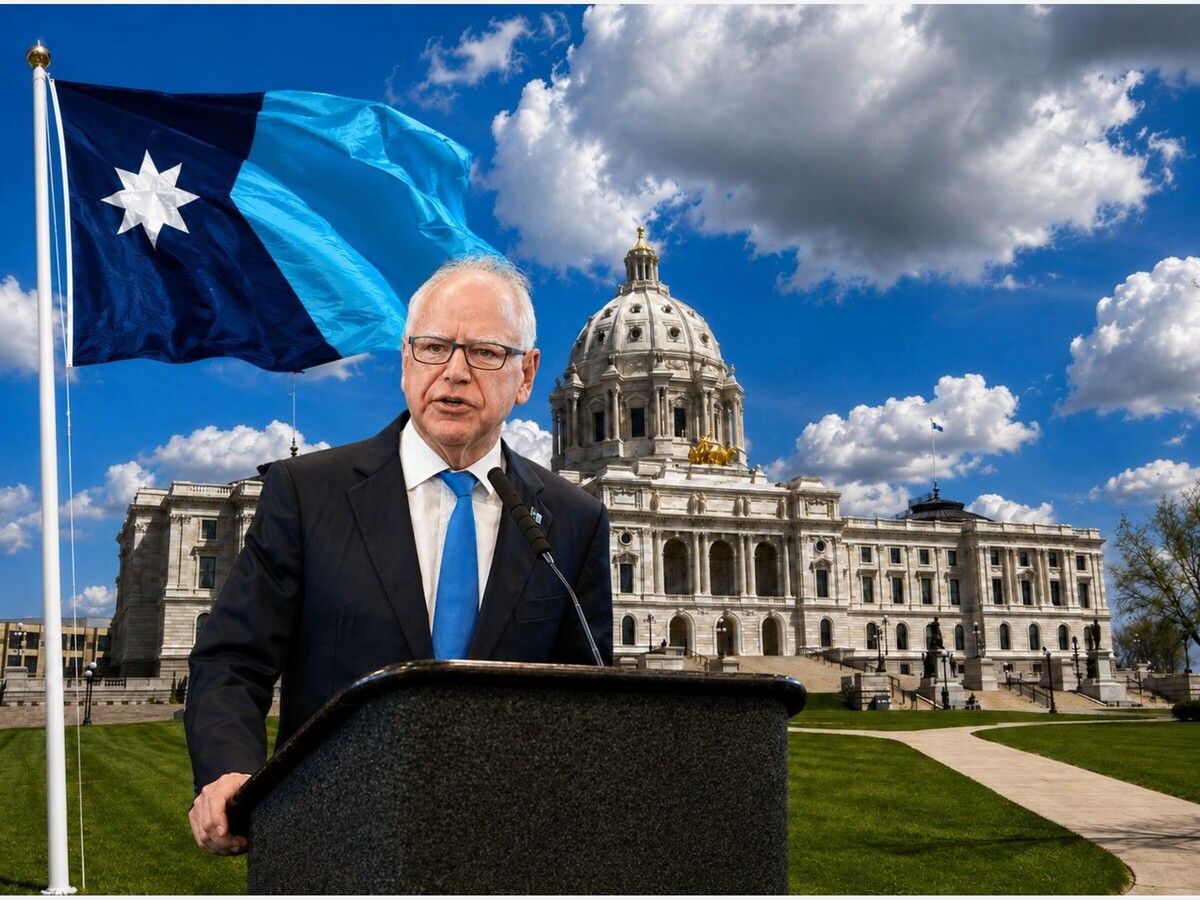



Moody’s Investors Service, S&P Global Ratings and Fitch Ratings each affirmed Minnesota’s AAA credit rating and stable outlook, Governor Tim Walz announced Friday.
Minnesota is one of only 14 states currently holding the top rating from all three agencies.
Credit ratings measure a government’s ability and willingness to repay its financial obligations. Strong ratings generally allow states to borrow money at lower interest rates, reducing the long-term cost to taxpayers of financing infrastructure and other capital projects.
The agencies cited Minnesota’s reserves, economic diversity, budget-management practices, comparatively low long-term liabilities and actions taken to address projected structural budget pressures.
“Even while federal actions create national economic uncertainty, Minnesota’s economic stability and sound fiscal management maintain the confidence of America’s top rating agencies,” Walz said.
Walz credited the ratings to the state’s balanced budget, reduction of its projected structural imbalance, financial reserves and investments in Minnesota residents.
Minnesota Management and Budget Commissioner Erin Campbell said the ratings reflect budget decisions intended to preserve the state’s financial stability while maintaining its economic competitiveness.
“We have worked hard to create responsible budgets that maintain our state’s fiscal integrity while also making strategic investments and public policy decisions that will keep Minnesota competitive,” Campbell said.
Fitch Ratings cited Minnesota’s “healthy economy, low long-term liability burden and strong operating performance supported by prudent reserves and highly effective budget management.”
The agency also pointed to the resilience of state finances during economic downturns and Minnesota’s practice of strengthening reserves during periods of economic recovery. Fitch said it expects the state’s economic trajectory to support strong revenue growth.
Moody’s said its rating reflects Minnesota’s strong reserves, modest long-term leverage and ability to respond to economic and federal-policy pressures.
The agency identified several structural strengths, including a diverse, high-income economy, above-average labor-force participation, comparatively low debt and pension liabilities, regular state revenue forecasts and automatic reserve deposits.
S&P said Minnesota’s rating reflects a robust financial-management framework, a strong balance sheet, a favorable economic profile and steps taken to manage the state’s projected structural budget gap.
S&P also cited the state’s conservatively managed debt, well-funded pension systems and limited exposure to fixed costs.
A stable outlook indicates that the agencies do not presently expect economic or budget conditions to require a rating change over the applicable review period. It does not mean Minnesota faces no financial risks.
The ratings instead indicate that the agencies believe Minnesota currently possesses the economic capacity, reserves, financial practices and policy flexibility needed to manage those risks while meeting its debt obligations.

Local stories matter. Subscribe free to MinneapoliMedia and receive independent news, community reporting and important updates from Minneapolis, the North Metro and communities across Minnesota.
SUBSCRIBE FREE: https://minneapolimedia.town.news/subscribe
MinneapoliMedia | Community. Culture. Civic Life



Sunny, with a high of 74 and low of 49 degrees. Sunny in the morning, clear in the afternoon and evening, smoky haze overnight.