57° and Clear
Image




The Department of Homeland Security’s new “public charge” rule is scheduled to take effect September 18.
Under the policy, immigration officers would receive broad discretion to deny permanent residency to applicants who have used certain means-tested government benefits. Officers could also consider benefits received by family members whom an applicant is legally required to support, even when the family member is a United States citizen.
The rule does not establish a clear limit on which benefits could be considered or how much assistance would count against an applicant.
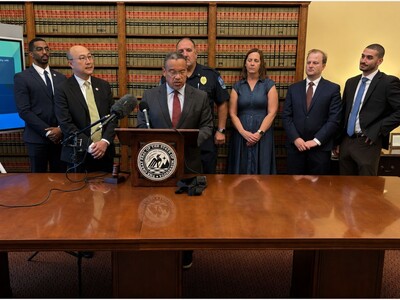
Minnesota and the other plaintiffs filed their lawsuit in the U.S. District Court for the Southern District of New York. They are asking the court to declare the rule unlawful and prevent it from taking effect.
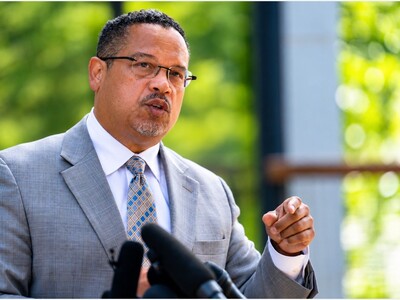
Ellison said the policy would frighten immigrant families into withdrawing from healthcare, nutrition and other assistance programs for which they are legally eligible.
“This rule is part of Trump’s virulent and illegal agenda to terrorize all immigrants, including those with legal status and their U.S. citizen children,” Ellison said.
A public-charge determination historically has focused on whether a person is likely to become primarily dependent on government assistance for long-term support. A 2022 federal rule limited the consideration to cash assistance for income maintenance and long-term institutional care paid for by the government.
The Trump administration’s new approach would permit a considerably broader review of an applicant’s use of public benefits.
Minnesota argues that the effects would extend beyond individual immigration cases.
Families worried about jeopardizing their immigration status could withdraw from Medicaid, the Children’s Health Insurance Program or the Supplemental Nutrition Assistance Program, even when eligible children are United States citizens.
Reduced Medicaid participation could cause people to delay routine healthcare until their conditions become emergencies, shifting additional costs to hospitals, clinics, states and local governments.
Schools could also be affected. Some students are automatically certified for free or reduced-price meals because their families participate in SNAP or Medicaid. Falling enrollment in those programs could interfere with school-meal eligibility and reduce federal Title I funding tied to measures of economic need.
Local grocery stores and other businesses could lose revenue if participation in nutrition programs declines.
The Department of Homeland Security has estimated that fear or confusion created by the policy could reduce annual federal Medicaid and Children’s Health Insurance Program transfers to states by approximately $4.05 billion. SNAP transfers could decline by approximately $1.02 billion annually.
The coalition alleges that the rule violates the federal Administrative Procedure Act because it is arbitrary and capricious, exceeds the authority Congress granted to DHS and departs from the established meaning of the public-charge provision.
A similar Trump administration policy introduced in 2019 faced extensive litigation. Minnesota participated in that challenge and helped secure an injunction blocking its implementation.
New York, California and Illinois are leading the new case. The coalition also includes Colorado, Connecticut, Delaware, Hawaii, Maine, Maryland, Massachusetts, Michigan, Nevada, New Jersey, New Mexico, Oregon, Rhode Island, Vermont, Virginia, Washington and Wisconsin. Pennsylvania’s governor and the District of Columbia also joined.
A separate coalition of cities and counties filed a related challenge.
Unless a court intervenes, immigration officials could begin applying the new rule Thursday.

Local stories matter. Subscribe free to MinneapoliMedia and receive independent news, community reporting and important updates from Minneapolis, the North Metro and communities across Minnesota.
SUBSCRIBE FREE: https://minneapolimedia.town.news/subscribe
MinneapoliMedia | Community. Culture. Civic Life



Sunny, with a high of 67 and low of 43 degrees. Sunny in the morning, clear in the afternoon and evening,