48° and Sunny
Image
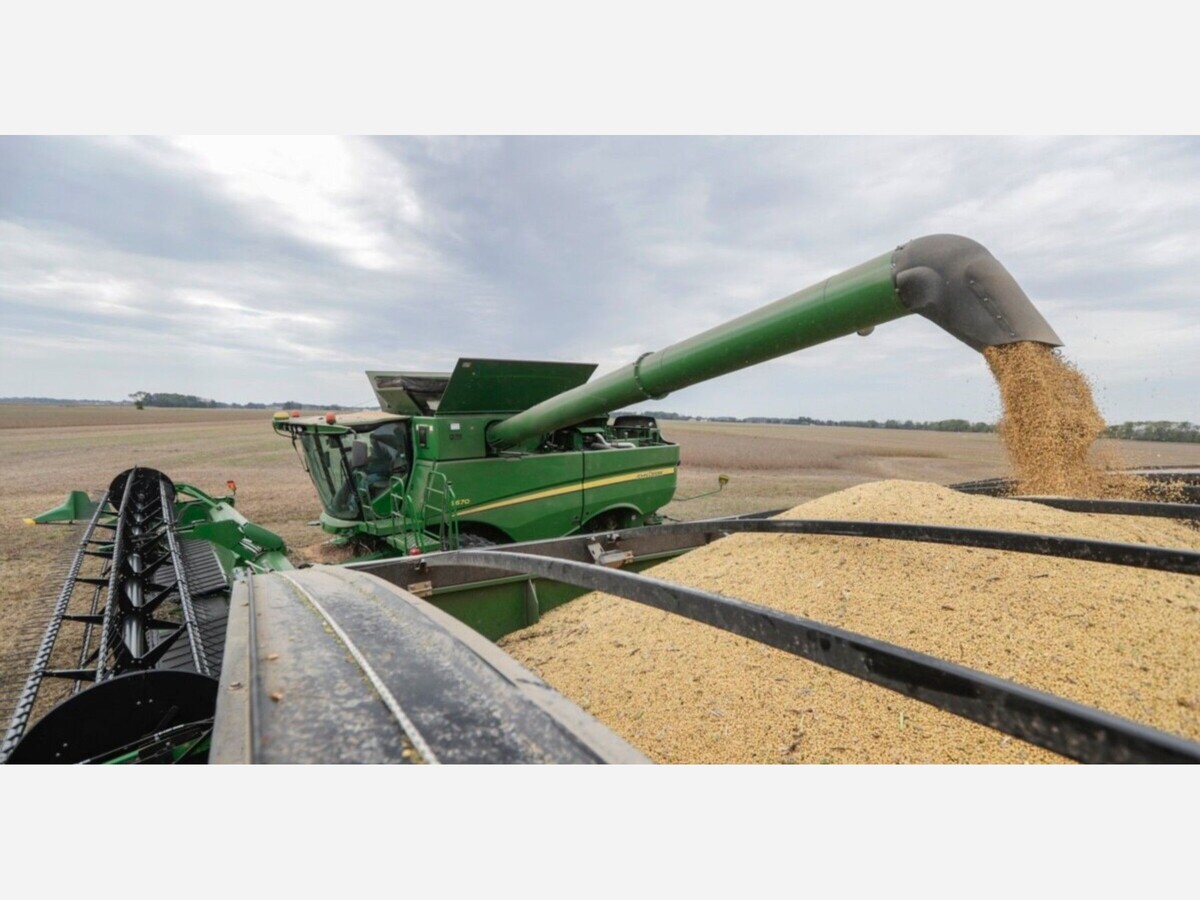



Minnesota farmers, especially soybean growers who have endured years of financial strain tied to the U.S. trade war with China, are expected to receive significant relief from a new $12 billion federal assistance package announced by the Trump administration. The aid, which officials describe as a temporary bridge intended to stabilize the agricultural economy, is expected to begin flowing early next year once program rules are finalized by the U.S. Department of Agriculture.
The package arrives at a moment of heightened financial pressure across Midwestern farm country. Commodity prices remain fragile, input costs have risen sharply and international market volatility has continued to erode farmer confidence. Minnesota, one of the nation’s largest exporters of row crops, stands to be among the states most affected by the distribution of federal aid.
According to USDA officials, the administration has allocated up to $11 billion for producers of major row crops. These include soybeans, corn, wheat, cotton and sorghum. Payments will be administered through a federal program modeled closely after past emergency measures such as the Farmer Bridge Assistance framework and the Market Facilitation Program used in earlier phases of the trade war.
Another $1 billion is reserved for producers of specialty crops, livestock and other farm sectors. USDA has not yet released a detailed breakdown of how this portion will be divided, but officials say those details will be finalized before enrollment opens in the first quarter of next year.
Aid distribution is expected to begin as soon as February. Eligibility is anticipated to mirror recent USDA disaster and trade compensation criteria, including adjusted gross income limits for applicants, historically set around $900,000, and per-person or per-entity caps intended to prevent large consolidated operations from receiving disproportionate shares of federal support.
The administration has stated that the aid package will be funded through tariff revenue collected by the U.S. government during the ongoing trade dispute.

Minnesota ranks consistently among the top states in soybean production, with more than seven million acres typically planted each year and billions of dollars in annual export value. The state’s economy is heavily linked to global agricultural markets, which means farmers here felt the pain of the trade conflict with particular severity.
For decades, China has been the single largest buyer of American soybeans, often purchasing more than half the U.S. supply in global export markets. When the United States imposed tariffs on Chinese goods during the trade conflict that began in 2018, China retaliated with a steep tariff increase, often cited as 25 percent, on American soybeans. That shift resulted in a dramatic collapse of Chinese purchases from U.S. producers.
The loss of this critical market set off a chain reaction in Minnesota. Soybean prices dropped sharply at local elevators. Storage bins filled with unsold grain. Farmers took on additional debt or refinanced operating loans. Production costs rose at the same time, as tariffs affected fertilizer, equipment and other essential inputs.
China, meanwhile, began securing alternative supply from South American producers, especially Brazil. Agricultural economists warn that this shift could permanently reduce U.S. market share, even if diplomacy succeeds in restoring trade flows.

Minnesota farm groups say the new federal assistance is meaningful and needed, especially for smaller producers who have faced tight operating margins and disruptive global forces beyond their control. Many describe the aid as essential for cash flow, loan restructuring and stability during the upcoming planting season.
Still, farmers and agricultural economists have consistently emphasized that federal payments cannot replace lost markets. Many in Minnesota prefer what they describe as trade, not aid, arguing that long-term viability depends on restoring access to global buyers, not on periodic federal interventions that fluctuate with political conditions.
The concerns echo sentiments expressed during earlier rounds of federal compensation, including the Market Facilitation Program of 2018 and 2019, which distributed nearly $28 billion to U.S. farmers. Analysts noted then that emergency funds, while helpful in shoring up short-term finances, did not address deeper market disruptions caused by the trade war itself.
Minnesota producers will await USDA’s release of county-level payment rates and application procedures in the coming weeks. Once enrollment opens at local Farm Service Agency offices, farmers will be able to estimate how much assistance they qualify for and incorporate those payments into their spring operating budgets.
Although the new $12 billion package provides rare financial breathing room after years of uncertainty, the long-term health of Minnesota agriculture will depend on whether global markets stabilize and whether trade relationships, especially with China, can be restored.
For many Minnesota farmers, the federal aid represents not a solution but a chance to make it through another season while hoping for the return of predictable, open and competitive international markets.



Patchy rain nearby, with a high of 73 and low of 48 degrees. Patchy rain nearby during the morning, clear overnight.