83° and Partly Cloudy
Image
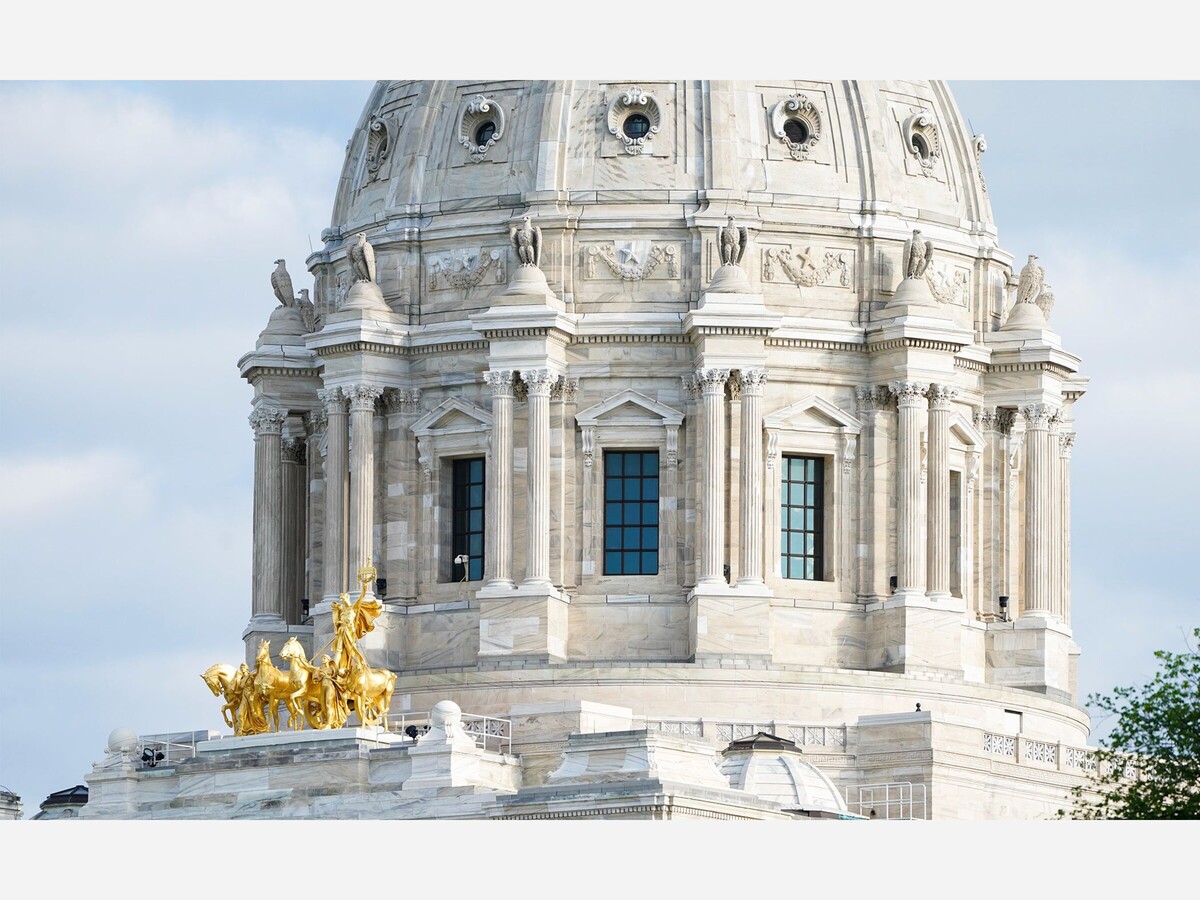



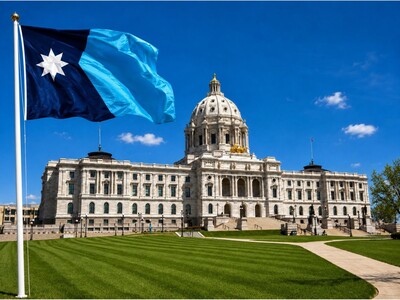
Inside the Minnesota State Capitol in St. Paul, lawmakers are now attempting to answer that question.
In early March 2026, the Minnesota House Taxes Committee advanced legislation that would establish a statewide Property Tax Task Force, a panel charged with examining the forces driving property tax increases across Minnesota’s counties, cities, school districts, and townships.
The proposal, House File 3396, is sponsored by Representative Greg Davids, a Republican lawmaker from Preston. The bill responds to growing concerns among residents about the complexity of Minnesota’s property tax system and the difficulty many taxpayers face when trying to understand how their bills are calculated.
Supporters of the proposal say the task force could provide the state with a clearer picture of how local property taxes are set and why they continue to rise in many communities.
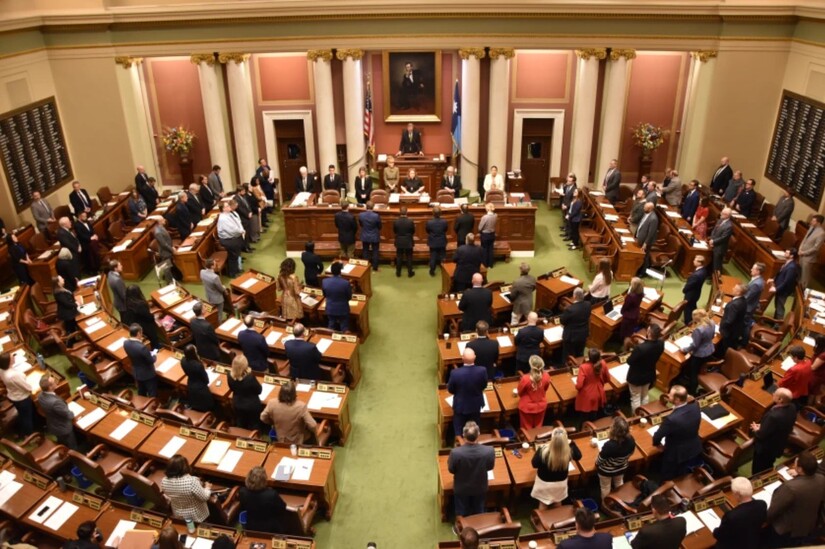
Minnesota’s property tax structure is widely considered one of the more complex systems in the United States.
While the Minnesota Legislature establishes the framework for property taxation, the actual tax levies are determined by local governments. Counties, cities, school districts, and townships each set their own levies to fund local services. Those levies are then applied to property values determined by county assessors.
The interaction between these layers of government, combined with state tax credits, aid formulas, and classification rules, can make it difficult for residents to understand exactly how their final property tax bill is calculated.
The proposed task force would be tasked with studying that complexity and recommending ways to improve transparency for taxpayers.
Under House File 3396, the Property Tax Task Force would consist of eight members representing both state and local government leadership.
The proposed membership would include:
• Two members of the Minnesota House of Representatives, one from each major political party
• Two members of the Minnesota Senate, also representing both parties
• The Commissioner of Revenue, or a designee
• One county commissioner
• One mayor
• One school board member
These members would be appointed by legislative leaders and organizations representing local governments.
The goal is to bring together policymakers and local officials who directly participate in the property tax system.
The task force would be charged with conducting a detailed investigation into the root causes of property tax increases across Minnesota.
Specifically, the group would examine tax increases originating from:
• County governments
• Municipal governments
• School districts
• Townships
Lawmakers say the group would also evaluate how budget decisions at each level of government contribute to annual tax bills for residents.
A central goal of the task force would be improving transparency for taxpayers.
One specific focus would be Minnesota’s annual Truth in Taxation notices, which are sent to property owners each fall. These notices are intended to show residents how proposed local tax levies could affect their bills.
However, many homeowners say the notices are difficult to interpret and often fail to clearly explain why taxes are rising.
The task force would be asked to recommend ways to standardize and improve how local budget and tax information is presented to the public.
The proposal arrives during a period of significant changes in local government finance across Minnesota.
According to data from the Minnesota Department of Revenue:
• Property taxes increased approximately 6.4 percent statewide in 2026, representing the largest annual increase since 2008.
• County levy increases averaged roughly 7.6 percent, driven largely by rising costs in health and human services programs.
• Residential homestead values increased approximately 19 percent between 2023 and 2024, shifting a greater share of property taxes onto homeowners in many communities.
Local officials say those pressures are the result of multiple factors, including rising service costs, growing demand for social services, infrastructure needs, and changes in how government programs are funded.
Because property taxes are a primary revenue source for local governments, increases in spending often translate into higher levies.
The Minnesota House Taxes Committee recently laid the bill over for possible inclusion in a larger omnibus tax bill, a common legislative step that keeps the proposal active while lawmakers negotiate broader tax legislation.
If House File 3396 is ultimately approved by the Legislature, the task force would move forward on the following timeline:
Appointments: Members would be appointed by June 15, 2026.
First Meeting: The task force would convene no later than July 15, 2026.
Final Report: The group would submit its findings and legislative recommendations to the Minnesota Legislature by January 15, 2027.
Following submission of its report, the task force would dissolve.
At its core, the proposal reflects a broader question facing state and local governments across the country.
Property taxes fund many of the public services residents rely on every day, including schools, public safety, road maintenance, and social services. Yet the mechanics behind those taxes often remain difficult for residents to understand.
Lawmakers behind the proposal say the goal is not only to examine why taxes rise, but also to ensure that taxpayers have clearer insight into how local government budgets affect their bills.
Whether the proposed task force ultimately becomes law will depend on negotiations later in the legislative session.
But the conversation surrounding the bill reflects a growing demand among Minnesota residents for something simple but essential in public finance:
A clearer explanation of how their tax dollars are being spent.
MinneapoliMedia
Community. Culture. Civic Life.

Sunny, with a high of 89 and low of 68 degrees. Sunny in the morning, patchy rain nearby in the afternoon and evening, clear overnight.