74° and Overcast
Image




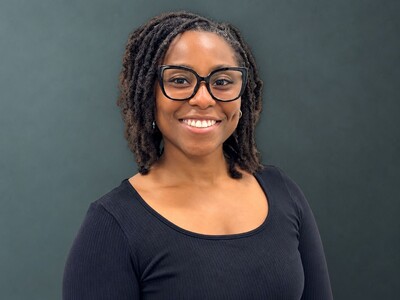
Latonya Reeves speaks with the steadiness of someone who has lived many lives in one. There is no hurry in her voice, but there is resolve. Her story is not a straight line. It is layered with loss, survival, public service, and an unrelenting belief that people, when given the right conditions, can thrive.
“I’ve always wanted to be involved in being impactful for a community,” she says. “I just didn’t know quite how to do it.”
Reeves is a career probation officer in Hennepin County, the president of AFSCME Local 552, vice president of AFSCME Council 5, a member of the Minnesota Sentencing Guidelines Commission, the Chair of the Minneapolis Community Commission on Police Oversight (CCPO). But before the titles, before the policy tables and bargaining rooms, there was a young mother and daughter growing up together in North Minneapolis.
“I was born to a young mother when she was 15 years old,” Reeves recalls. “We were raised together, basically, in North Minneapolis. We dealt with a lot… chemical dependency in the home, homelessness, government aid, public assistance, food stamps, the whole nine.”
She pauses, not for effect, but because memory carries weight.
“We were able to see how community was not thriving at that time,” she continues. “And I really wanted to see community thrive.”

Education became Reeves’ first bridge out of instability and her eventual bridge back into community service. She moved frequently, from one Section 8 placement to another, but school offered something constant.
“My mom really instilled in me the benefits of education,” she says. “That was the way to get out of everything that was going on in my life at that time.”
She pursued political science at the University of Minnesota, drawn to government, policy, and the idea of public leadership. She imagined Washington, D.C., maybe even elected office one day. Life, however, had other plans.
“I got pregnant in my sophomore year,” she says plainly. “That caused me a lot of hardships, it was a struggle to finish on time, but I was able to do so. When I walked across the stage on graduation, I was pregnant with my second son.”
After graduation, Reeves entered the mortgage industry. Then came the 2008 financial collapse.
“The mortgage business tanked. I was unemployed. I lost everything.”
She found herself at a temp agency, placed at Hennepin County almost by chance. It was there that something clicked.
“I said, you know what, I could do this job. I like working with people.”
Becoming a probation officer required returning to school for a master’s degree in criminal justice. She did it without hesitation.
“I knew I could help people,” she says. “I could talk to people who had been through chemical dependency and many different issues in community, because I had gone through those same things myself.”
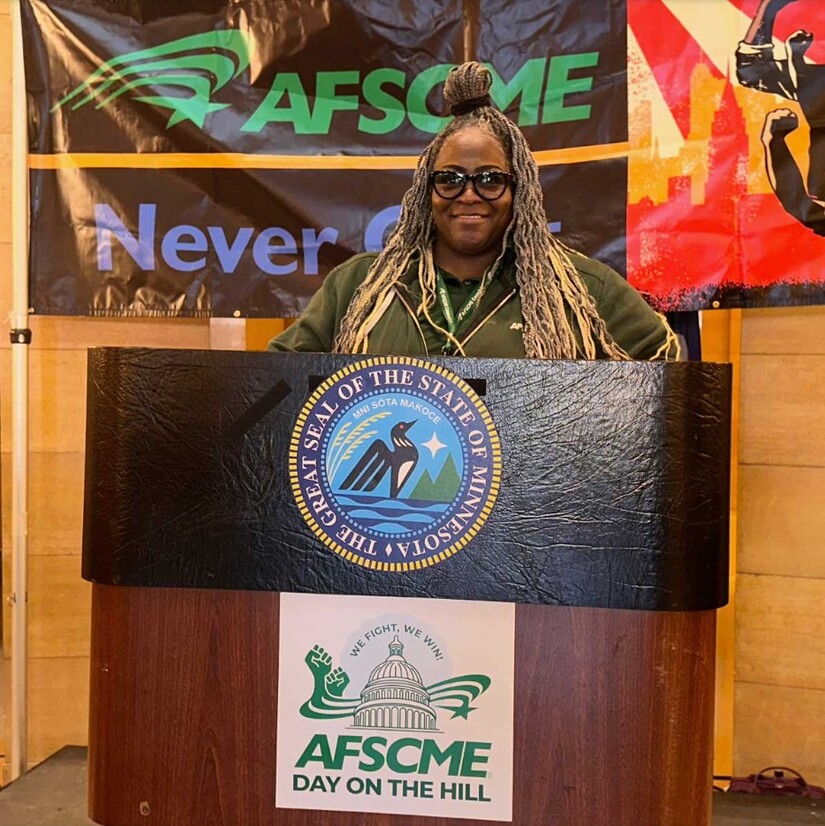
Reeves’ journey is anchored by family, especially her parents. Before her mother passed away, Reeves made a promise.
“I told her before she died that I would finish and get my doctorate degree. I haven’t finished it yet, but I do plan on keeping that promise.”
Her mother died about ten years ago. Her father passed during the COVID-19 pandemic.
“They’ve steered me to just keep going,” Reeves says. “Even though we dealt with chemical dependency issues, homelessness, and many other things, they always instilled in me the drive to keep moving and keep being impactful.”

When asked about the women who shaped her leadership, Reeves does not hesitate.
“My mother,” she says. “Even though she was so young, she was a very strong, powerful force.”
Her mother, known in North Minneapolis for her presence and personality, showed Reeves how to endure with dignity.
“She was the ultimate diva,” Reeves says, smiling. “The ultimate woman who showed me what it meant to thrive in adversity.”
Then there is her grandmother.
“My grandmother is a powerhouse. I’m so proud of her. She’s still living. She still lives in North Minneapolis. I watch her every day do good.”
Reeves also credits women outside her family, including a coworker who pushed her beyond her comfort zone.
“She told me one day, ‘Come from behind the desk. Come from behind the desk and get more open into community.’ And I did. I’ve had fun ever since.”
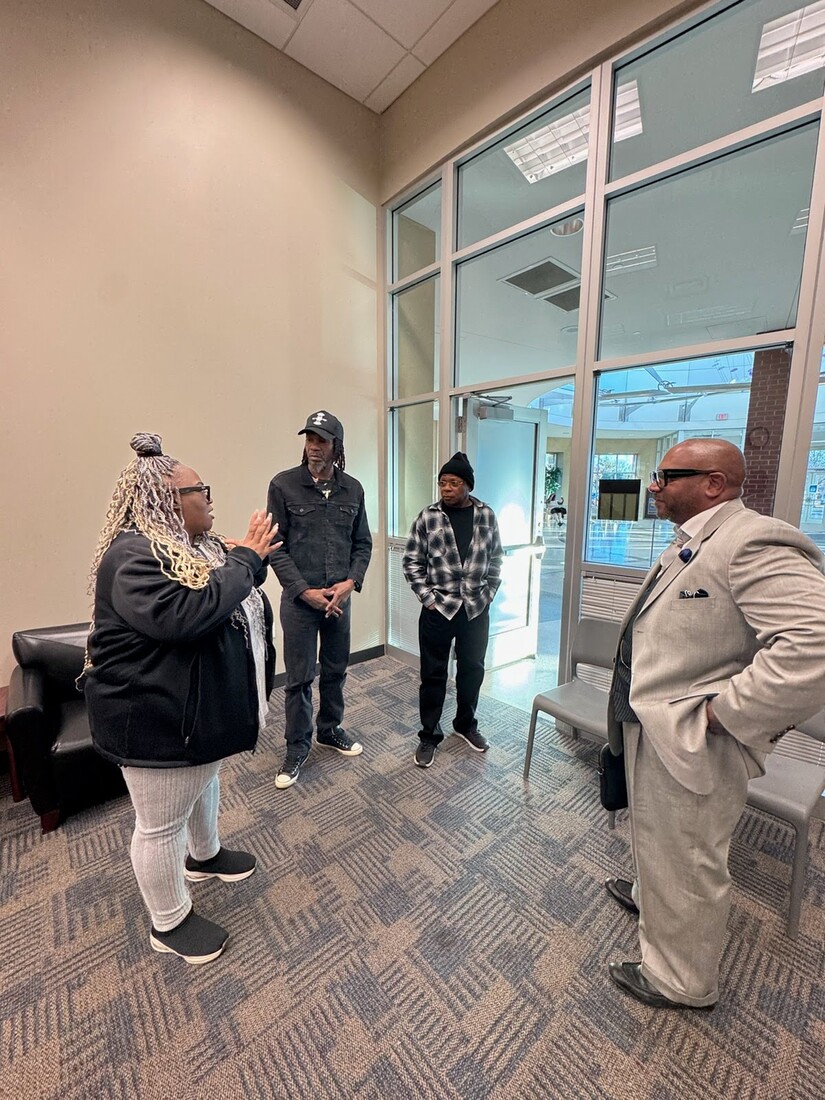
As a probation officer, Reeves is deeply aware of how society reduces people to their worst mistakes.
“Those that are on supervision in community are not the sum of the worst day of their life,” she says firmly.
She believes in accountability, but equally in second chances.
“If you are someone in community who has no resources, no money, no job, no housing, what are you going to do to survive?”
Her answer is blunt.
“You have to give people resources to get by so they can get better.”
Probation, she insists, must be rehabilitative, not punitive.
“If you don’t get into probation to be a helper, a healer, this probably isn’t the right job for you.”
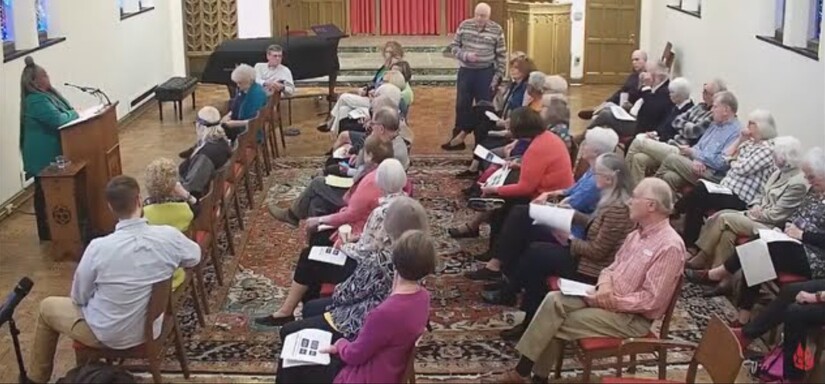
Serving on the Minnesota Sentencing Guidelines Commission has reinforced Reeves’ belief that equity requires more than slogans.
“Racial disparity reduction is not just a catch term,” she says. “We really need to figure out ways to reduce disparities, and we need to educate ourselves about what that means.”
She speaks with pride about the commission’s comprehensive review of sentencing practices.
“Can we tweak it? Can we adjust it up or down to make more sense with current practices? I firmly believe in that work.”
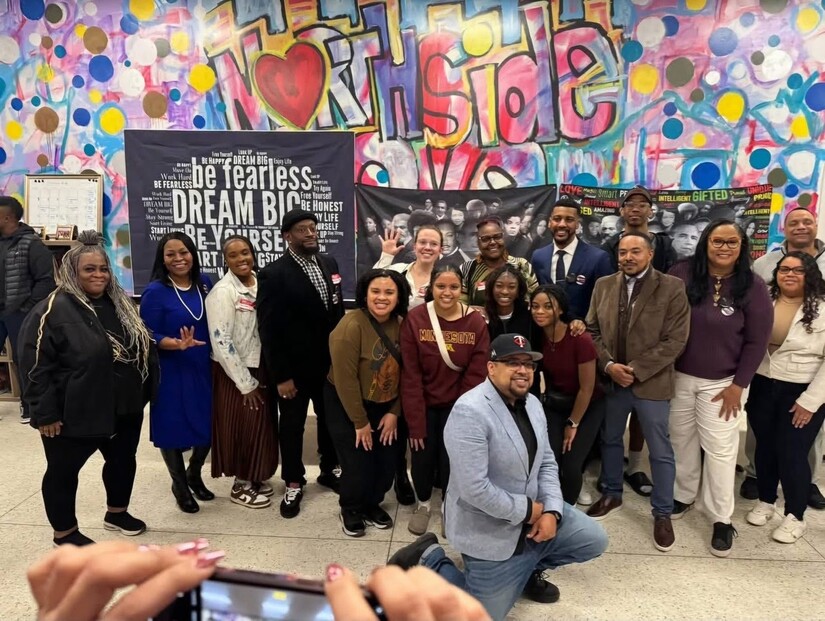
As a union leader, Reeves sees workers as the foundation of everything else.
“Nothing works without employees,” she says. “Nobody makes any money without employees.”
She is proudest not of individual wins, but of collaboration.
“Working across the aisle, Republican, Independent, Democrat, workers, management, whoever it is. When you come together, it’s ultimately better for employees.”
Her philosophy is simple.
“If workers can’t support their families, if they can’t take care of themselves, how productive are they at work?”
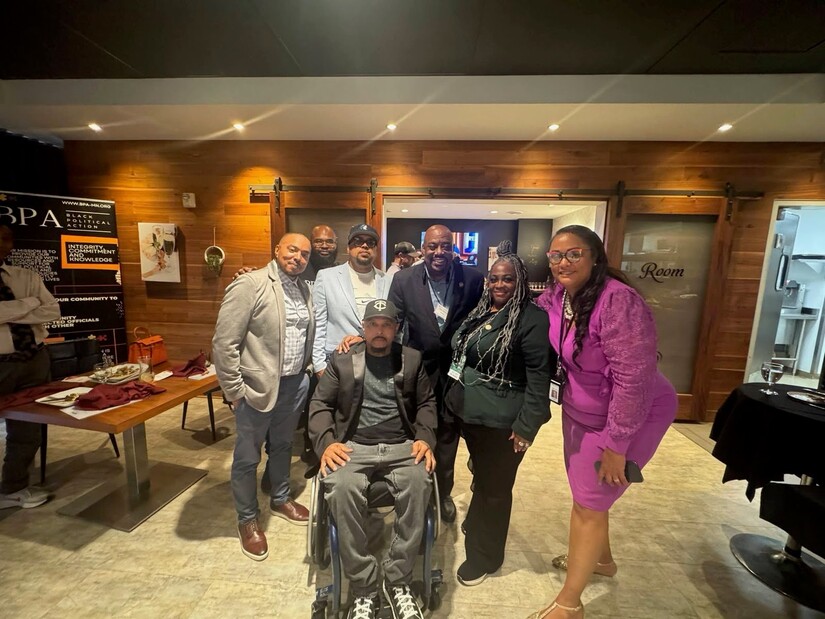
Reeves is clear-eyed about burnout in public service.
“Burnout is a real thing,” she says. “When resources are cut, when housing stabilization services are cut, when food supports are cut, community needs increase.”
And the burden falls on workers.
“We need to take care of workers so they can take care of community. It’s that simple.”

Reflecting on Minneapolis since George Floyd’s murder, Reeves is measured.
“Are we better off than we were five years ago? I believe that we are,” she says. “Do we have a long way to go? Absolutely.”
Progress, she says, is uneven and contested.
“But we have to give grace. This is going to take time.”
She believes in inviting young people into change, not pushing them away.
“In 20 years, I’ll be retired. We need young folks who want to be part of the change.”
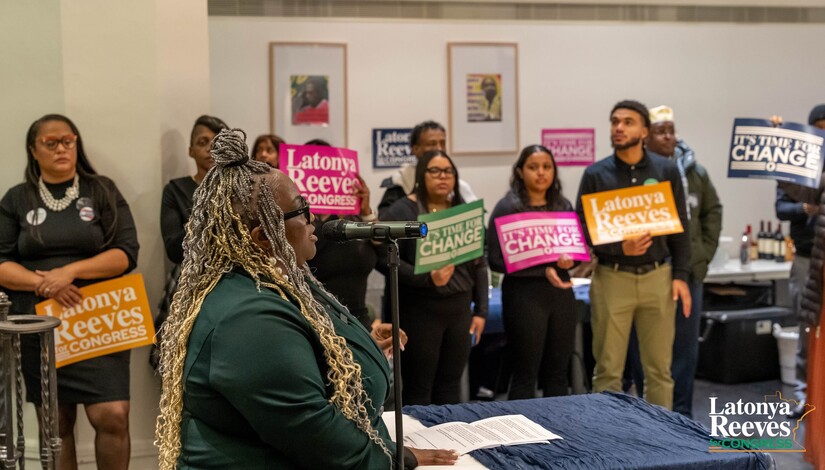
Reeves thinks often about legacy, especially as a mother and grandmother.
“I want my granddaughters to say, ‘She did everything she could to be impactful.’”
She listens to her children, even when it is painful.
“I’m a lifelong learner,” she says. “I learn from my children. I learn from my grandchildren. I learn from community every single day.”
When she speaks of liberation, her definition is deeply personal.
“You have to ask people what liberation looks like for them,” she says. “If you don’t, it doesn’t belong to them.”
She is especially troubled by how many people are stuck in survival mode.
“When you’re surviving, you can’t rest. You can’t be your authentic self. We have to give people the chance to thrive.”

For young girls in Minneapolis who wonder whether they belong in leadership spaces, Reeves’ message is both honest and hopeful.
“The American Dream belongs to them,” she says. “Not a false promise. Something real they can attain.”
She urges long-term vision.
“Getting to 25 is a blessing. Getting to 35 is a blessing. Getting to 80 is a blessing. What do you want to do between now and then?”
Her hope is simple, and radical.
“That people can thrive. Not just survive.”



Overcast, with a high of 64 and low of 52 degrees. Overcast during the morning, partly cloudy for the afternoon, overcast in the evening,