71° and Sunny
Image
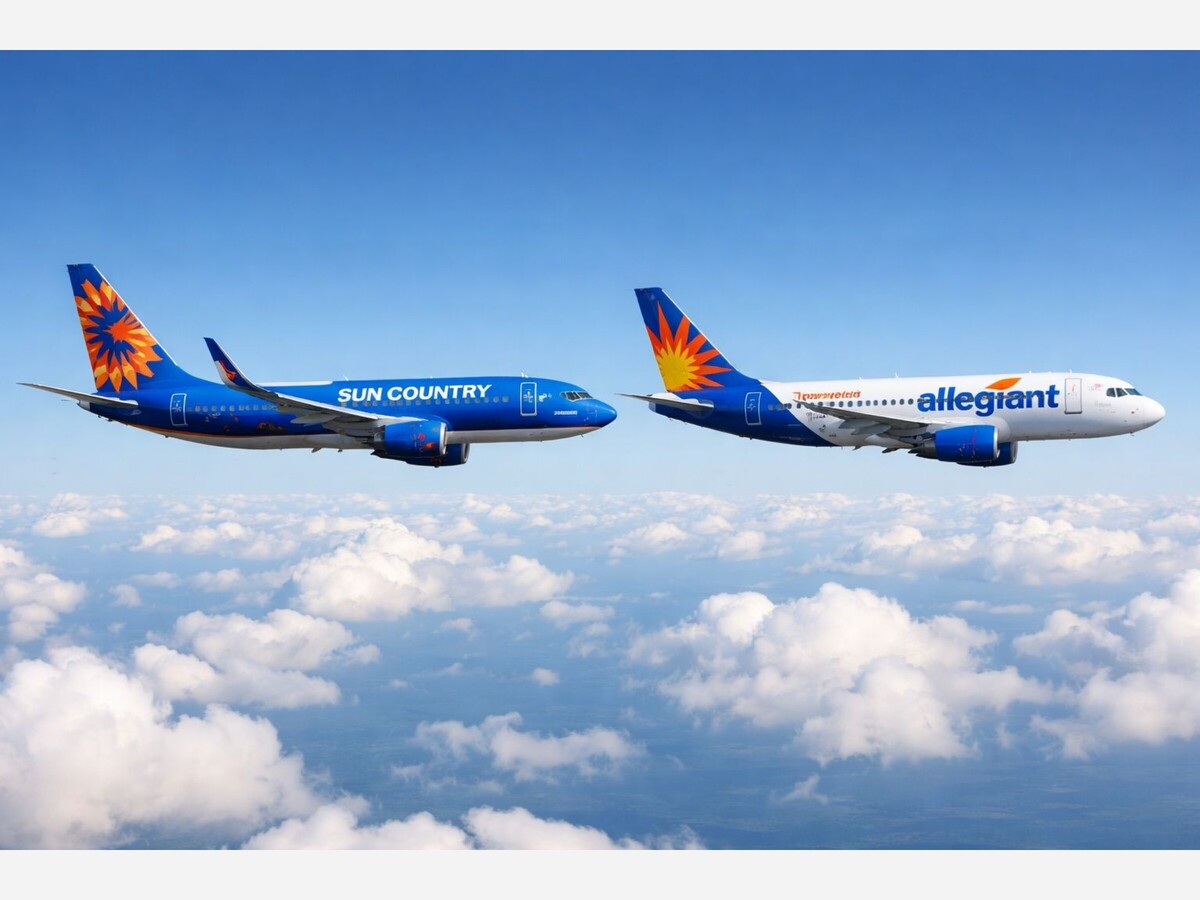



LAS VEGAS and MINNEAPOLIS
In a deal that reshapes the American budget travel industry, Allegiant Travel Company announced on January 11, 2026, that it has reached a definitive agreement to acquire Sun Country Airlines in a transaction valued at approximately $1.5 billion, including Sun Country’s net debt.
The merger brings together two of the most consistently profitable ultra low cost carriers in the United States, creating a combined airline built around leisure travel, charter services, and cargo operations. Executives from both companies described the move as a strategic bet on scale, diversification, and route complementarity at a time when traditional airline consolidation has faced increased regulatory scrutiny.
The transaction is structured as a cash and stock deal valuing Sun Country at $18.89 per share, a premium of roughly 20 percent over its recent trading price. Under the agreement, Allegiant shareholders will own approximately 67 percent of the combined company, while Sun Country shareholders will hold the remaining 33 percent.
Allegiant expects the merger to generate $140 million in annual operating synergies within three years, largely through network optimization, shared procurement, and operational efficiencies. The combined company will be headquartered in Las Vegas, Allegiant’s current base, while maintaining what executives called a “significant presence” in the Twin Cities, where Sun Country is headquartered.
Allegiant Chief Executive Officer Gregory Anderson will lead the merged airline. Sun Country Chief Executive Officer Jude Bricker, a former Allegiant executive, will join the board of directors following the close of the transaction.
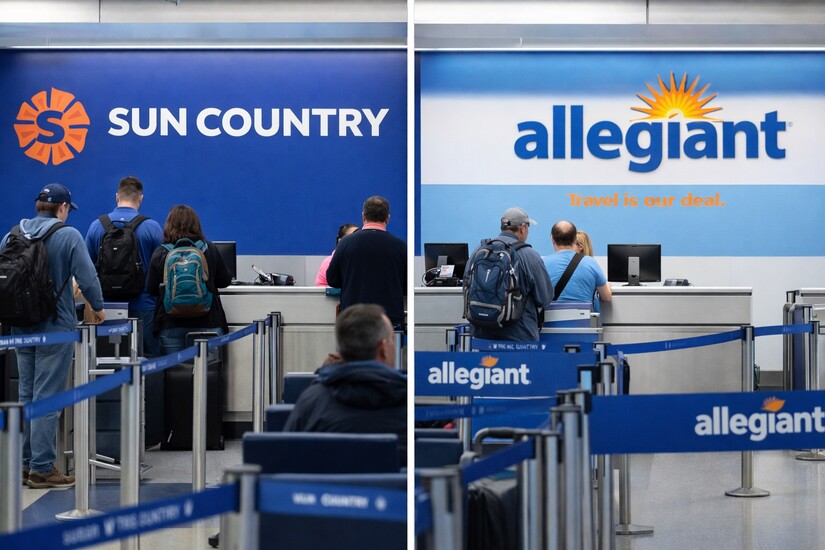
Together, the airlines will operate more than 650 routes serving nearly 175 cities, including at least 18 international destinations across Mexico, Canada, the Caribbean, and Central America. The combined fleet is expected to total roughly 195 aircraft, placing the airline among the largest leisure focused carriers in North America.
Unlike many past airline mergers, Allegiant and Sun Country emphasize that their route maps have minimal overlap. Allegiant has built its business connecting small and mid sized cities to vacation destinations, while Sun Country brings a strong base at Minneapolis–St. Paul International Airport and a more established international footprint.
That complementary structure, executives argue, reduces competitive concerns while allowing rapid expansion into markets that Allegiant has long targeted but never served at scale.
Industry analysts say the deal is notable not only for its size but also for its scope. By acquiring Sun Country, Allegiant gains a rare three pronged revenue model among ultra low cost carriers.
The combined airline will continue high margin scheduled leisure service for roughly 22 million annual passengers. It will also inherit Sun Country’s charter operations, including contracts with the U.S. Department of Defense and professional sports teams. In addition, Allegiant gains Sun Country’s cargo business, including its long term contract to fly freighters for Amazon Air, a source of stable revenue that helps buffer swings in leisure demand.
The merger places the new Allegiant well ahead of its closest ultra low cost rivals in scale and diversification. Frontier Airlines and Spirit Airlines remain more narrowly focused on scheduled passenger service, while Spirit continues to recover from significant restructuring in 2025.
The transaction is expected to face close regulatory review, particularly in light of recent federal opposition to airline consolidation. Company officials said they are confident the limited route overlap and leisure oriented focus of the combined carrier will distinguish this deal from mergers that were challenged on competition grounds.
For now, travelers will see little immediate change. Allegiant and Sun Country will continue to operate under separate brands, websites, and operating certificates until the deal closes, which is expected in the second half of 2026, subject to shareholder and regulatory approval.
Over time, the companies plan to integrate loyalty programs, combining Allegiant’s roughly 21 million members with Sun Country’s 2 million, creating one of the largest rewards platforms in the budget travel sector. Executives said the Sun Country brand will eventually be retired in favor of the Allegiant name, though Minneapolis will remain a key anchor market in the combined network.
For Minnesota travelers, the deal promises broader nonstop access to leisure destinations while preserving Sun Country’s operational footprint in the Twin Cities. For the airline industry, it marks the emergence of a new kind of budget carrier, one built not only on low fares, but on scale, diversification, and a sharp focus on where Americans choose to vacation.



Patchy rain nearby, with a high of 94 and low of 63 degrees. Sunny for the morning, thundery outbreaks in nearby in the afternoon and evening, clear overnight.