65° and Partly Cloudy
Image
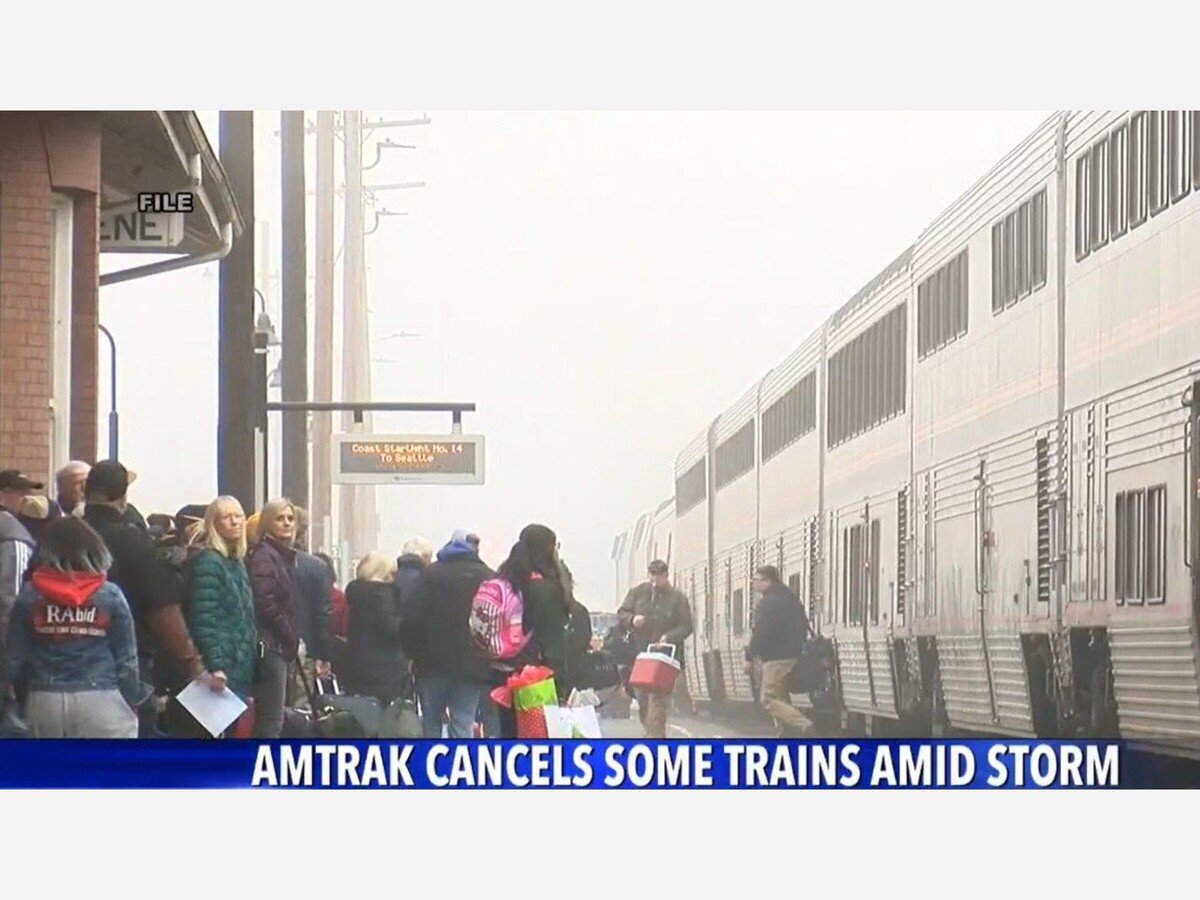



As a historic Arctic outbreak tightened its grip on much of the United States, Amtrak suspended and modified passenger rail service across wide swaths of the country, citing escalating safety risks and the potential for severe damage to rail equipment as temperatures plunged to levels rarely seen in recent years.
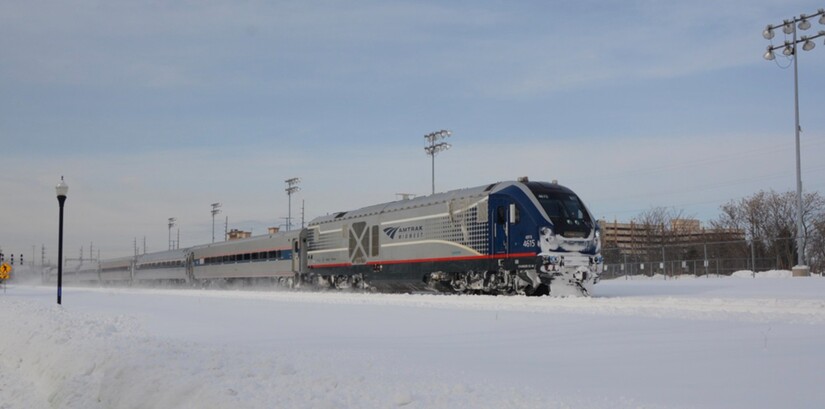
The disruptions, in effect through at least Sunday, January 25, 2026, come as Winter Storm Fern delivers a punishing combination of record-breaking cold, heavy snowfall, freezing rain, and dangerous wind chills from the Rocky Mountains through the Upper Midwest and into the Mid-Atlantic. Amtrak officials said the decision was made “out of an abundance of caution,” following consultations with contract meteorologists, host freight railroads, and emergency management partners.
The cancellations were designed not only to protect passengers and crews but also to prevent mechanical failures that become increasingly likely during prolonged deep-freeze conditions.
The scope of the shutdown reflects the scale of the storm. Among the most significant cancellations and modifications:
Chicago, the nation’s busiest passenger rail hub, has been particularly affected, with ripple effects extending across the Upper Midwest, Great Plains, and Southeast.
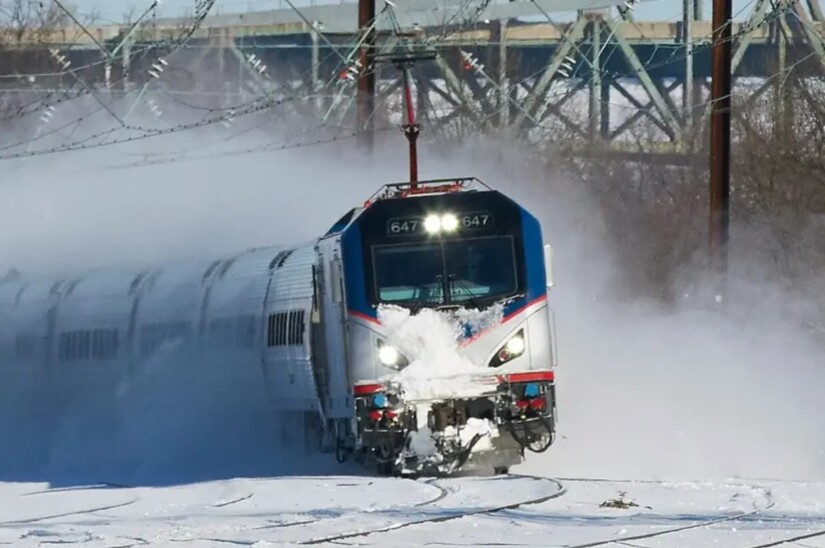
Railroads are engineered to operate in winter conditions, but sustained sub-zero temperatures push infrastructure beyond its design tolerances, introducing hazards that are largely invisible to the public.
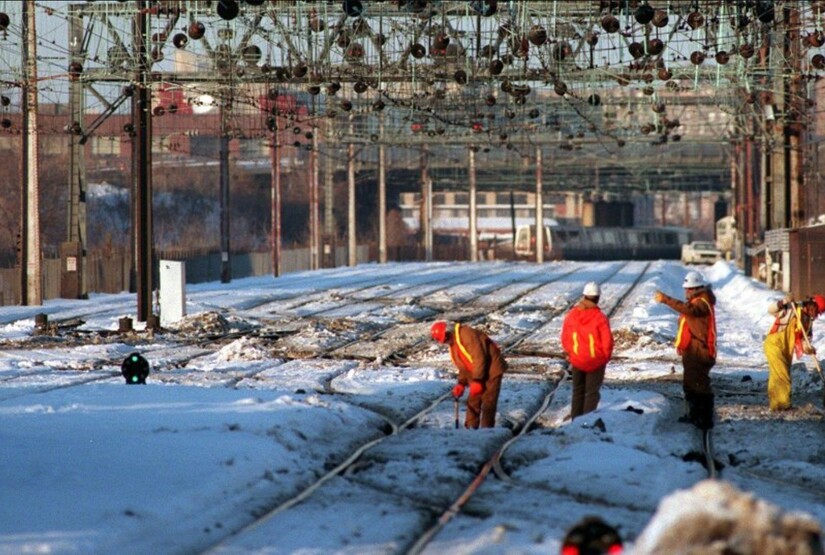
Steel rail contraction is among the most serious threats. As temperatures fall, rails shrink, creating internal stress that can lead to sudden “pull-aparts” or microscopic fractures. Left undetected, these flaws can result in derailments. Railroads deploy ultrasonic testing and frequent inspections during cold snaps, but risk rises sharply when temperatures drop below zero for extended periods.
Frozen switches and track points present another critical challenge. Switches, which guide trains from one track to another, rely on precise mechanical movement. Even with electric or gas heaters, ice infiltration can prevent a switch from locking properly. If a switch cannot be verified as secure, trains cannot legally or safely pass.
On electrified routes, overhead catenary systems face their own vulnerabilities. Extreme cold causes power lines to contract and tighten, increasing tension on support hardware. Freezing rain can coat these wires in ice, interfering with a train’s pantograph and triggering electrical arcing or power loss.
Perhaps most dangerous of all are air brake system failures. Passenger trains rely on compressed air to apply and release brakes. In extreme cold, moisture within air lines can freeze into ice pellets, restricting airflow and compromising braking performance, a risk that rail safety experts consider unacceptable under passenger-service conditions.
Amtrak officials emphasized that the greatest danger during a deep freeze is not delay, but immobilization.
A disabled train in a remote area, whether due to frozen switches, power loss, or a downed tree, can leave hundreds of passengers exposed to life-threatening cold while emergency crews struggle to reach them. During Arctic conditions, even short evacuations can become medical emergencies.
For affected travelers, Amtrak is waiving change fees, offering full refunds for canceled trains, and encouraging passengers to rebook for later in the week as conditions improve. Riders are advised to monitor real-time service updates through Amtrak’s website and mobile app.
Transportation analysts note that rail disruptions are unfolding alongside broader system strain. Airlines have canceled thousands of flights nationwide due to the same storm, limiting alternatives for travelers attempting to reroute.
As Winter Storm Fern continues to dominate the national forecast, transportation officials say the coming days will test not only infrastructure, but the balance between mobility and safety in an era of increasingly volatile winter extremes.


Moderate rain, with a high of 71 and low of 61 degrees. Don't forget your umbrella! Overcast for the morning, patchy rain nearby for the afternoon, light rain shower during the evening, clear overnight.