71° and Clear
Image
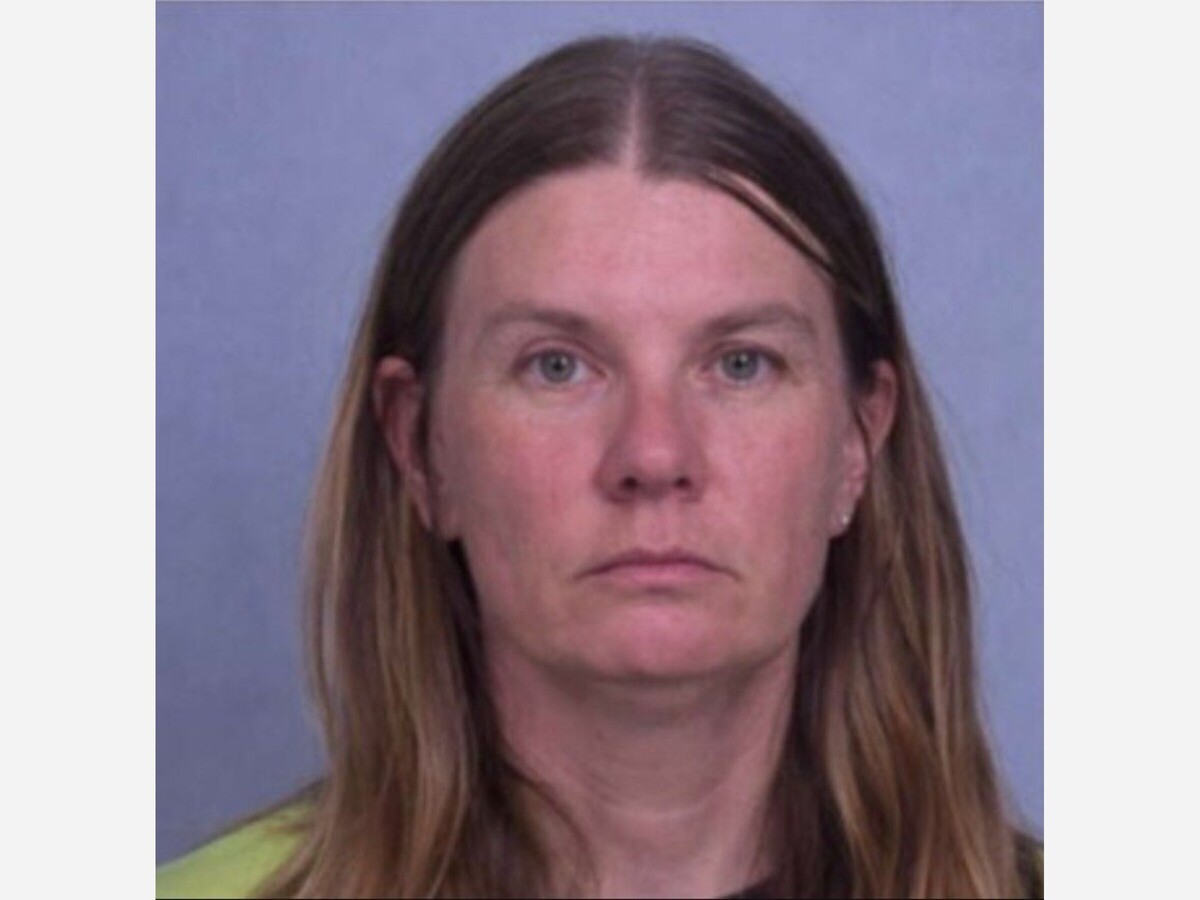



The motion, filed by the U.S. Attorney’s Office for the District of Minnesota, follows the March 2025 convictions of Said and Feeding Our Future founder Aimee Bock on multiple federal charges including wire fraud, bribery, and conspiracy. A federal jury found that the pair played central roles in diverting tens of millions of dollars from programs meant to feed children during the COVID-19 pandemic.
At the heart of the case is Feeding Our Future, a nonprofit that served as a sponsor for sites participating in the federally funded child nutrition programs administered through the U.S. Department of Agriculture. Federal prosecutors have alleged that what began as emergency pandemic relief morphed into a massive fraud that ultimately exploited vulnerabilities in oversight and reimbursement systems.

In court filings this month, prosecutors asked the court to impose a $7.8 million money judgment against Said, arguing that amount reflects proceeds he personally obtained or controlled through the scheme. Restitution, if ordered, would become a court-enforceable debt designed to repay taxpayer funds.
Said, the former co-owner of Safari Restaurant in Minneapolis, was convicted on 21 counts. According to federal trial evidence, prosecutors argued that meal sites under his control submitted grossly inflated reimbursement claims for meals allegedly served to children, in some cases using fabricated rosters and falsified attendance records.
While earlier government estimates placed total fraud losses at approximately $250 million, federal filings and public statements in early 2026 indicate the scheme may have exceeded $350 million, as investigators continue reviewing financial records and cooperating witness testimony. More than 80 individuals have been charged to date, making it one of the most expansive white-collar prosecutions in Minnesota history.
Beyond restitution, prosecutors are pursuing aggressive forfeiture actions, identifying what they say were assets purchased with diverted federal funds. Court documents and related reporting detail properties and items tied to Said, including:
In addition to real estate and vehicles, prosecutors have filed proposed forfeiture orders seeking seizure of luxury apparel and accessories, including designer coats from Burberry, Fendi, Balenciaga, and Brunello Cucinelli, high-end watches and jewelry, designer purses, and more than a dozen pairs of luxury shoes. Federal filings also identify approximately $514,000 held across multiple bank accounts.
Forfeiture differs from restitution in purpose and mechanics. Forfeiture targets specific assets traceable to criminal conduct, while restitution aims to compensate victims or government programs for verified losses. In complex financial crimes, both mechanisms often proceed simultaneously.
A federal judge recently signed a preliminary forfeiture order requiring Bock to forfeit approximately $5.24 million. The order includes millions from Feeding Our Future accounts, along with personal assets seized during the 2022 FBI raids, including a 2013 Porsche and various electronics and jewelry.
Bock was convicted on seven federal counts. Prosecutors argued at trial that she orchestrated a sponsorship network that enabled fraudulent meal sites to operate with minimal scrutiny, while accepting bribes and kickbacks from participants.
Both Bock and Said remain in custody awaiting formal sentencing. The final restitution and forfeiture amounts will be confirmed at sentencing, where the court will determine prison terms and financial penalties.
The fraud unfolded during the height of the pandemic, when emergency waivers expanded reimbursement flexibility for child nutrition programs in order to ensure children did not go hungry while schools were closed. Federal authorities contend that defendants exploited that urgency, billing for tens of thousands of meals per day that were never served.
The prosecution has relied heavily on financial tracing, cooperating witnesses, and internal communications introduced at trial. The case has prompted renewed scrutiny of oversight structures between nonprofit sponsors, state agencies, and federal administrators responsible for safeguarding relief funds.
For Minnesota, the financial reckoning now underway is as consequential as the convictions themselves.
Restitution orders and asset seizures cannot restore public trust overnight, nor can they easily untangle the administrative failures that allowed the fraud to flourish. But prosecutors argue they are a necessary step in returning stolen taxpayer funds and signaling that even in moments of national crisis, accountability follows.
As sentencing approaches, the court will decide not only how long the convicted defendants will serve behind bars, but how much of the diverted millions can realistically be recovered.


Sunny, with a high of 94 and low of 68 degrees. Overcast in the morning, thundery outbreaks in nearby in the afternoon, clear for the evening,