Image



ST. PAUL, Minn. The 2026 Saint Paul Winter Carnival, a cornerstone of Minnesota’s winter identity now marking its 140th anniversary, opened under extraordinary strain as organizers confronted a rare convergence of public safety challenges. What was designed as a jubilant launch instead became a careful exercise in risk management, shaped first by a historic Arctic deep freeze and later by heightened regional security concerns following a fatal shooting in nearby Minneapolis.
The festival, scheduled to run from January 22 through February 1, was forced to significantly revise its opening-week programming, postponing or canceling several of its most visible outdoor events while allowing indoor activities to continue as planned.
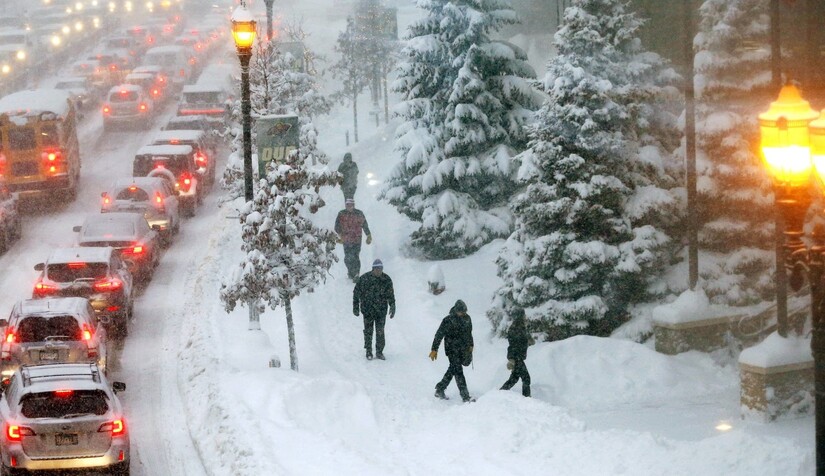
The opening days of the carnival coincided with the arrival of an exceptionally cold Arctic air mass, driven by what meteorologists described as a stretched polar vortex. According to forecasts from the National Weather Service, wind chills across the Twin Cities plunged well below minus 25 degrees Fahrenheit, a threshold long used by carnival organizers as a hard safety limit.
On Thursday, January 22, wind chills dropped into a range where frostbite can occur within minutes on exposed skin. In response, carnival officials postponed the traditional Kick-Off to Carnival event at Rice Park, originally planned as a public outdoor celebration. The kickoff was rescheduled for Friday, January 30, when conditions were expected to moderate.
The following evening’s Ice Bar and Food Truck Festival, slated for January 23, was canceled outright. Organizers cited concerns for volunteers, vendors, emergency responders, and attendees, emphasizing that prolonged exposure in such conditions posed unacceptable risks.
While the iconic ice sculptures in Rice Park and activities at Vulcan Snow Park remained in place, staffing and programming in outdoor areas were scaled back during the coldest periods. Indoor events across Saint Paul proceeded without interruption.
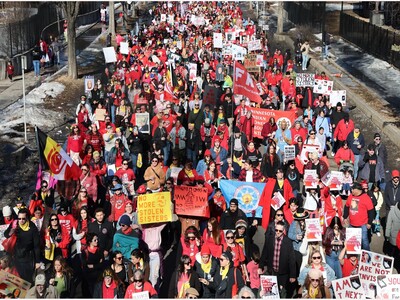
As temperatures slowly began to ease, a second and unrelated concern emerged. On January 24, organizers canceled the Grande Day Parade, traditionally one of the carnival’s most anticipated first-weekend events. The decision followed heightened public safety concerns in the Twin Cities after a fatal shooting involving federal agents in Minneapolis, which prompted officials and event organizers across the metro to reassess large public gatherings.
Carnival leadership said the parade cancellation was made out of an abundance of caution, prioritizing the safety of parade participants, spectators, and city personnel amid a tense regional atmosphere.
The move aligned with broader actions taken across the metro that weekend. TwinsFest closed early, and a scheduled Minnesota Timberwolves home game was postponed, as venues adjusted operations in response to evolving security assessments.
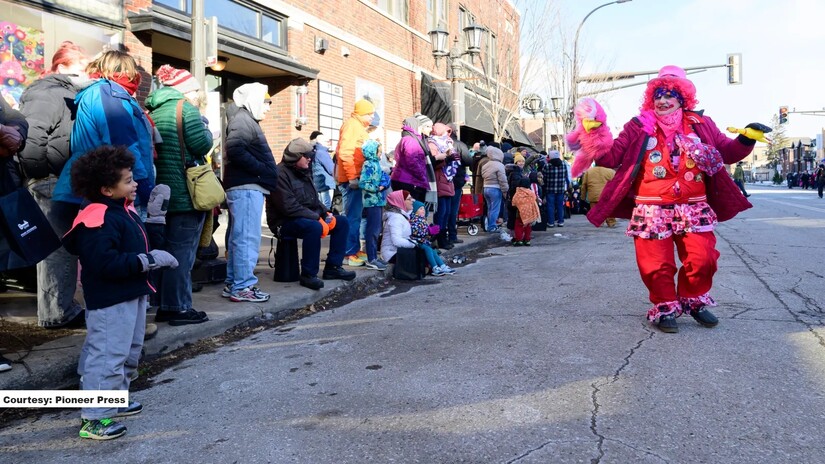
Taken together, the disruptions underscored the fragility and resilience of large-scale public celebrations in an era shaped by climate volatility and complex security realities. What organizers initially described as a weather-driven challenge quickly evolved into a broader test of crisis response and coordination.
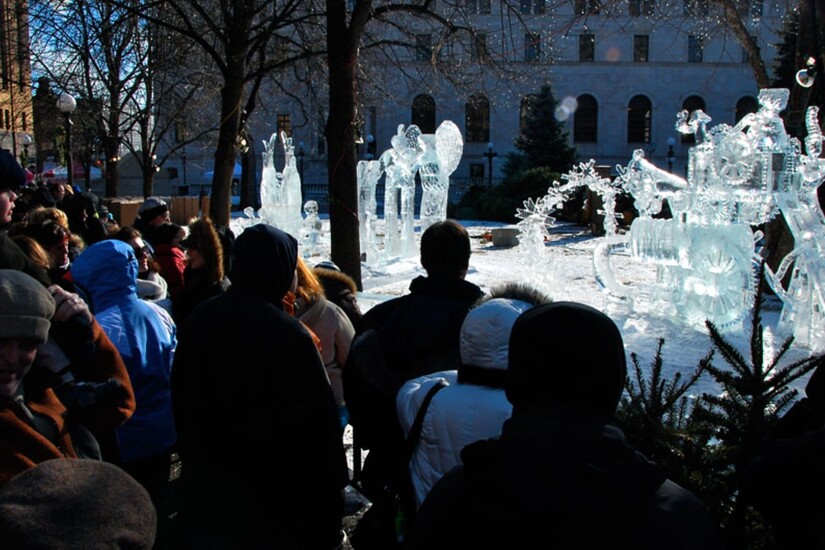
Despite the setbacks, carnival officials stressed that the remainder of the 140th anniversary celebration would move forward, with adjusted schedules and a continued emphasis on safety. The rescheduled kickoff later in the festival, along with ongoing indoor programming, was framed as a way to preserve the spirit of the event while acknowledging the realities of an unusually turbulent opening week.
For a festival born in the depths of Minnesota winter and sustained across generations, the opening days of 2026 served as a stark reminder that endurance, adaptability, and public trust remain as essential to the Saint Paul Winter Carnival as ice palaces and parades.

Sunny, with a high of 50 and low of 34 degrees. Sunny in the morning, partly cloudy for the afternoon, clear in the evening,