39° and Sunny
Image
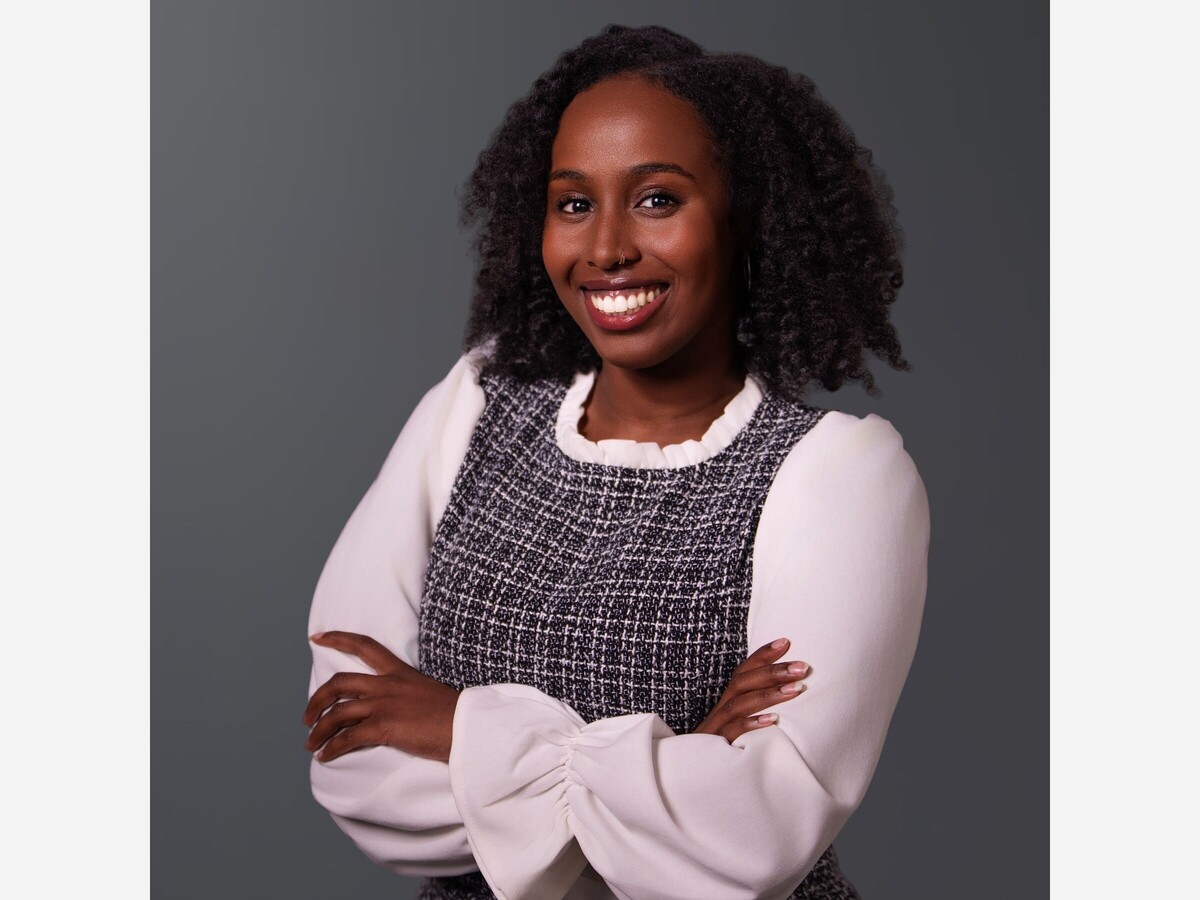



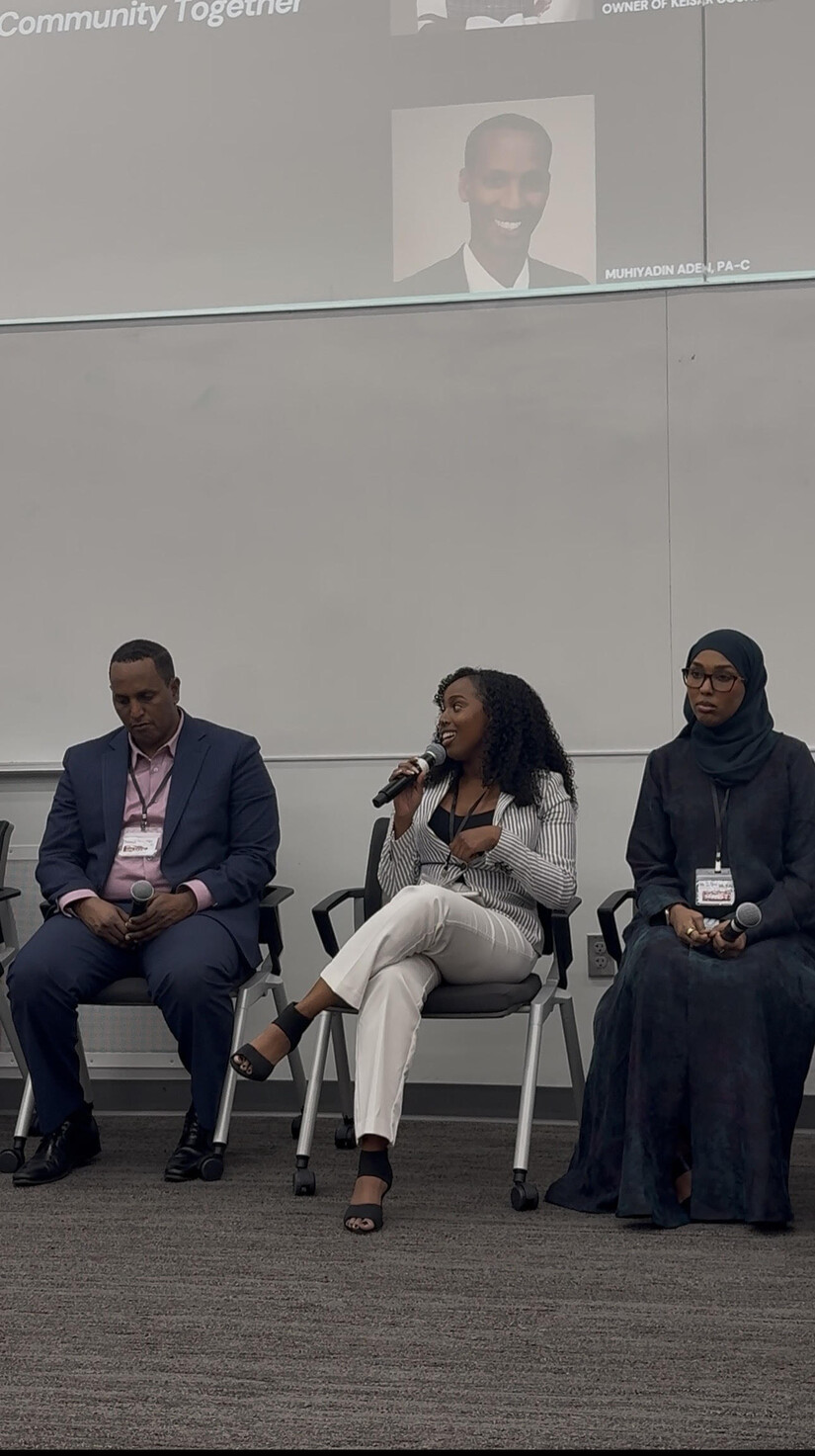
In the hurried, often clinical landscape of 21st-century healthcare, Jamila Keisar moves with a different tempo. To meet her is to experience a deliberate, almost reverent pause, an intentional recognition that showing up fully present is not just a professional standard, but a radical act of care. In a season defined by the loud, clattering urgency of digital obligations and systemic pressures, Keisar has carved out a sanctuary for the quiet, the vulnerable, and the overlooked.
As the founder of Keisar Counseling, Jamila Keisar (LICSW) does not merely practice therapy; she architects space. Her work lives at the volatile and necessary intersection of perinatal mental health, racial identity, and the intricate tapestry of family systems. It is a refusal to see the patient as a clinical diagnosis or a set of symptoms to be managed. Instead, she insists on the dignity of the whole person, particularly those whose voices have been historically pushed to the margins of the American psyche and the Minnesota medical establishment.
The lineage of Keisar’s calling stretches back to a pivotal spring break during her sophomore year of high school. Growing up in a predominantly white Minnesota suburb, she was one of the few students of color, existing in a state of quiet, often unacknowledged isolation. That year, she was selected for a civil rights research tour, a journey that would fundamentally alter her trajectory.
Traveling through seven states in the American South, Keisar was not merely visiting museums; she was walking through a living history. She stood in the shadows of giants, listening to the very lawyer who represented Dr. Martin Luther King Jr. and meeting the elders whose ordinary courage transformed a nation.
“There was something so powerful about being in community,” she reflects, her voice steady and certain. “Being around people who understood who I was, without explanation. That experience taught me the power that lives in collective identity.” For the first time, the "otherness" she felt in Minnesota was replaced by a sense of belonging to a long, resilient line of ancestors.

This awakening became her North Star, but it was tested by the reality of her home state. Years later, the abstract concepts of justice became a visceral weight when Philando Castile was killed in Saint Anthony Village. This was not a headline from a distant city; it was the city where Keisar had lived, studied, and moved for over a decade.
The systems she had studied in the South were now pressing against her own life in the Midwest. By the time she entered the University of Minnesota, her mission had crystallized. She found her center in social work because it was the only field where mental health and justice were held together as inseparable. To Jamila, therapy was not just about internal wellness, it was about advocacy and reclaiming the dignity that systemic oppression seeks to strip away.
Keisar’s clinical philosophy was forged in the most intense environments imaginable: labor and delivery units, pediatric wards, and the hushed, high-stakes intensity of Neonatal Intensive Care Units (NICU). She speaks of birth not as a routine medical event, but as a "threshold", a moment of profound human vulnerability.
“Childbirth is one of the most vulnerable experiences a human being can have,” she says. “And when you are a Black woman, that vulnerability is compounded.” She speaks plainly about the statistics that haunt the field: Black women in the U.S. are significantly more likely to die from pregnancy-related causes than their white counterparts.
In these hospital corridors, Keisar was frequently the "one of one", the only clinician of color in the room. She describes the visceral "exhale" of patients when they saw her. Her presence changed the atmospheric pressure of the room. It changed what people felt safe saying and, ultimately, how they were held during their most terrifying moments.

One of the most profound elements of Keisar’s practice is her integration of Somali cultural knowledge. She often critiques the "romanticized" Western view of pregnancy, which frequently erases the reality of anxiety, depression, and isolation.
She invokes the Arba’in, the traditional forty-day postpartum period practiced in Somali culture. During this time, a new mother is shielded from the outside world. She is nourished, protected, and relieved of all responsibilities except for two: healing her body and bonding with her child.
“In the West, we live in a deeply individualistic society,” Keisar observes. “That level of communal care is rare, and women suffer because of it.” By bringing this ancient wisdom into a modern clinical setting, she creates a bridge for diaspora communities who often feel alienated by the "pull yourself up by your bootstraps" mentality of Western motherhood.
Being the "only one" in the room carries a weight that Jamila calls "invisible labor." It is the work of being a bridge between a rigid system and a frightened community. It is the exhaustion of being a one-woman infrastructure for those whom the system has failed.
To care for others at this level, Keisar has had to learn the architecture of her own boundaries. She speaks of her work as "costly," not in a financial sense, but in the emotional currency required to stand in the gap. This radical self-preservation is what allows her to remain soft in a world that asks her to be hard.

Keisar is unequivocal: therapy does not happen in a vacuum. Her practice is built on the belief that identity, race, faith, gender, must be at the center of the room. This commitment was born of a personal "grief layered upon grief."
After the death of her aunt from breast cancer, Jamila sought therapy for herself. However, she struggled to find a practitioner of color. She found herself exhausted by the "labor of explanation," having to teach her therapist about her culture and context before she could even begin to process her sorrow.
“People deserve to be held without having to translate themselves,” she insists. In her practice, she acknowledges that systemic racism touches every facet of a person’s life, from the quality of their air and housing to the way they are treated at the grocery store. To pretend these factors don't affect mental health, she argues, is a form of clinical neglect.
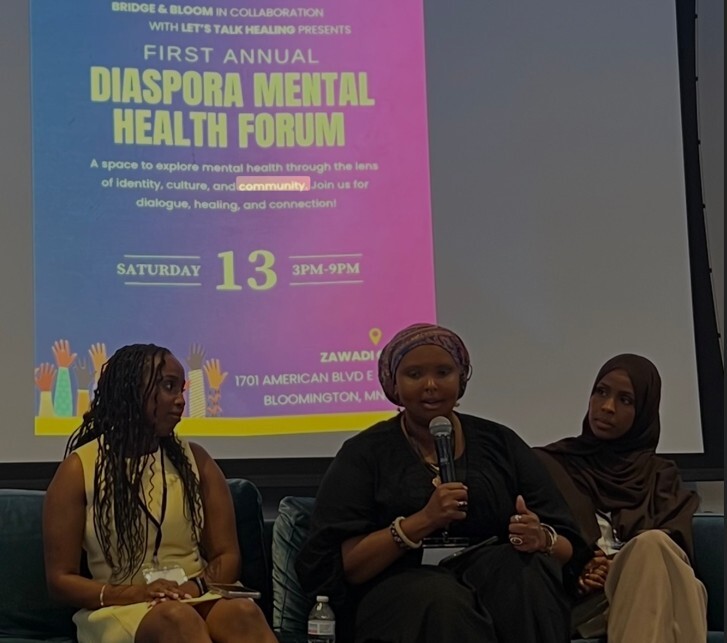
As 2026 unfolds, the social landscape of Minnesota remains complex. Keisar’s leadership is often found in the "quiet resistance." During periods of heightened immigration stress, she didn't wait for a grant or a government program. She simply opened her doors.
Every Sunday morning, she offered free therapy sessions for those impacted by the fear of displacement. She did not advertise it on billboards; she moved through word of mouth. “Community is costly,” she says simply. “And if we are fortunate, we must give back.” This philosophy of mutual aid, that we owe each other care, is the heartbeat of her work.
Today, Jamila spends a significant portion of her time at the University of Minnesota, mentoring the next generation of Black women entering the mental health field. She understands that representation is a form of infrastructure. "You cannot become what you cannot see," she notes.
She teaches her mentees to resist the urge to "shrink" in rooms that don't understand them. Her message is a battle cry for the modern era: “Your identity is your power. Do not lose it. The world needs you exactly as you are.”

Progress in Jamila’s world is rarely loud. It is measured in the subtle shifts: a mother regaining her confidence, a family interrupting a cycle of trauma, a person finally feeling safe enough to speak their truth.
As the conversation with Jamila Keisar closes, it is clear that she does not see her work as a job, but as a calling rooted in history and faith. Leadership, in her hands, begins with the act of listening. Liberation, she reminds us, begins exactly where people feel seen, safe, and supported.
In keeping with our tradition, Jamila highlights two women building their own legacies:
“These women,” Jamila says, “show us what it means to lead with generosity.”



Overcast, with a high of 50 and low of 31 degrees. Sunny during the morning, overcast for the afternoon, partly cloudy for the evening, clear overnight.