64° and Clear
Image



COON RAPIDS, Minn.
January 2026 has become a defining month for passenger rail and regional transit, shaped by two forces moving in parallel but driven by very different logics: a historic Arctic outbreak that forced emergency suspensions across the national rail network, and a permanent policy decision that has reshaped daily commuting in Minnesota’s northwest suburbs.
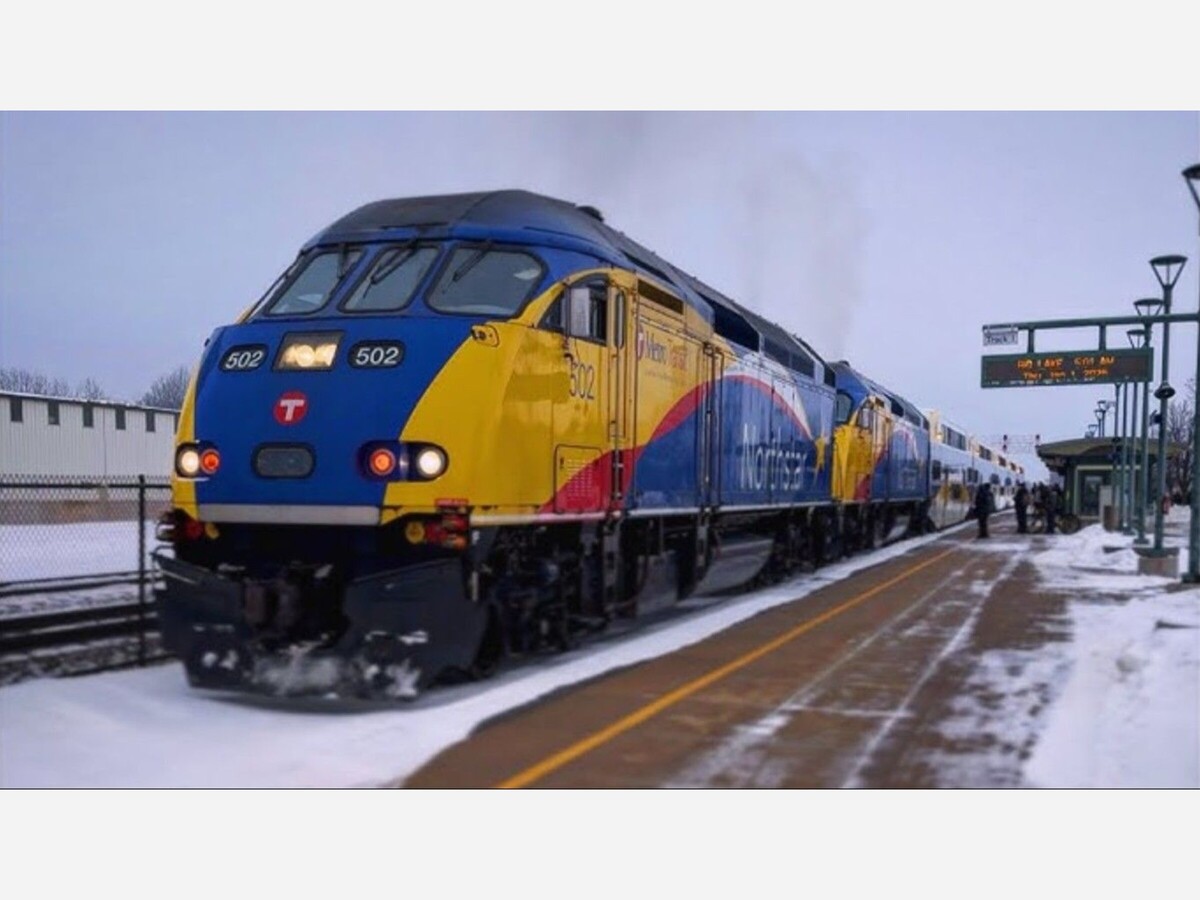
On one front, Amtrak suspended or modified service across large swaths of the country through at least Sunday, Jan. 25, as Winter Storm Fern delivered what the railroad itself described as “dangerous to life” cold. On another, communities in Ramsey, Anoka, Coon Rapids, and Fridley entered the third week of life after rail, as the Northstar Commuter Rail corridor completed its transition to an expanded bus-based network.
Together, the disruptions illustrate the vulnerability of fixed rail to extreme weather and the growing shift among transit agencies toward flexibility, frequency, and lower operating costs.
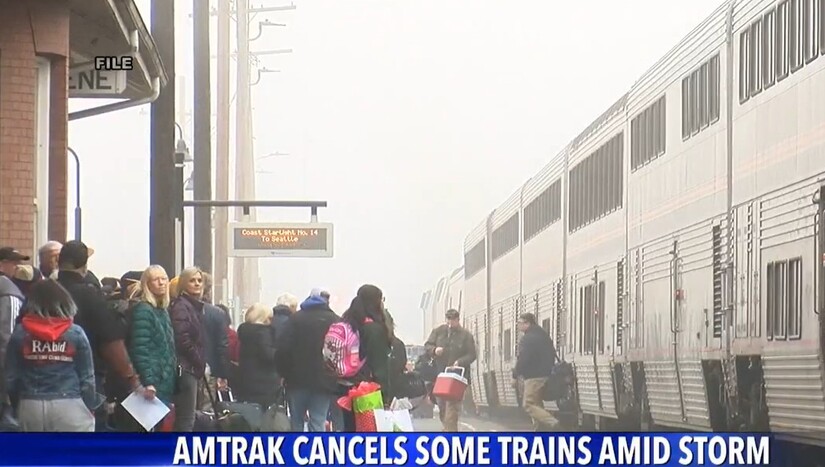
As temperatures plunged well below zero across the Upper Midwest and ice spread through much of the eastern United States, Amtrak implemented widespread cancellations and schedule modifications, urging passengers to delay travel and offering fee-free refunds and rebookings.
The risks were not abstract. Rail experts note that extreme cold causes steel rails to contract, increasing the likelihood of fractures, while moisture in pneumatic air-brake systems can freeze into ice pellets, creating the possibility of braking failure. In such conditions, continuing operations can endanger crews, passengers, and equipment.
Among the most significant cancellations affecting Minnesota travelers and long-distance connections were:
For Amtrak, the shutdowns underscored a recurring reality of winter railroading in a changing climate: reliability increasingly depends on choosing when not to run.
While Amtrak’s disruptions were temporary, the changes playing out in the northwest metro are not.
After 16 years of service, Northstar commuter rail permanently ceased rail operations on Jan. 4, 2026, closing a chapter that once promised fast, peak-hour rail access from the suburbs to downtown Minneapolis but struggled with low ridership and high operating costs.
In its place, Metro Transit rolled out an expanded bus model that dramatically increases frequency and span of service along the former rail corridor.
The contrast is stark:
|
Feature |
Former Rail Service |
New Bus Network |
|
Weekly trips |
~40 train trips |
~400 bus trips |
|
Peak frequency |
Limited rush hours |
Every 30 minutes |
|
Midday service |
Virtually none |
Hourly |
|
Annual operating cost |
More than $10 million |
Approximately $2 million |
Transit officials and county leaders have framed the change as a shift from a commuter-only model to an all-day “pulse” system designed to serve a wider range of trips, from nine-to-five commuters to students, service workers, and reverse commuters.
The new network centers on three primary routes that mirror, and in some cases expand beyond, the old rail footprint:
There is also a symbolic break with the past. Unlike Northstar trains, which terminated at Target Field Station, the new bus routes deliver riders directly along Marquette and Second avenues, placing passengers closer to the core of the Minneapolis business district.
As of late January, the corridor is still in its early proving period. Extreme cold has tested vehicles, schedules, and rider patience at the very moment commuters are learning new patterns and stops. Yet the increased frequency has also offered something Northstar rarely could during its final years: options.
In the span of a single week, Minnesota riders have seen both ends of modern transit reality. A national rail system paused by Arctic cold, and a regional corridor betting that buses, not trains, are better suited to withstand the pressures of cost, climate, and changing travel needs.
January 2026 may be remembered less for the storm itself than for what it revealed: in an era of volatility, flexibility has become as critical to transit as steel and rails once were.



Patchy rain nearby, with a high of 94 and low of 63 degrees. Sunny in the morning, patchy rain nearby in the afternoon and evening, clear overnight.