Image
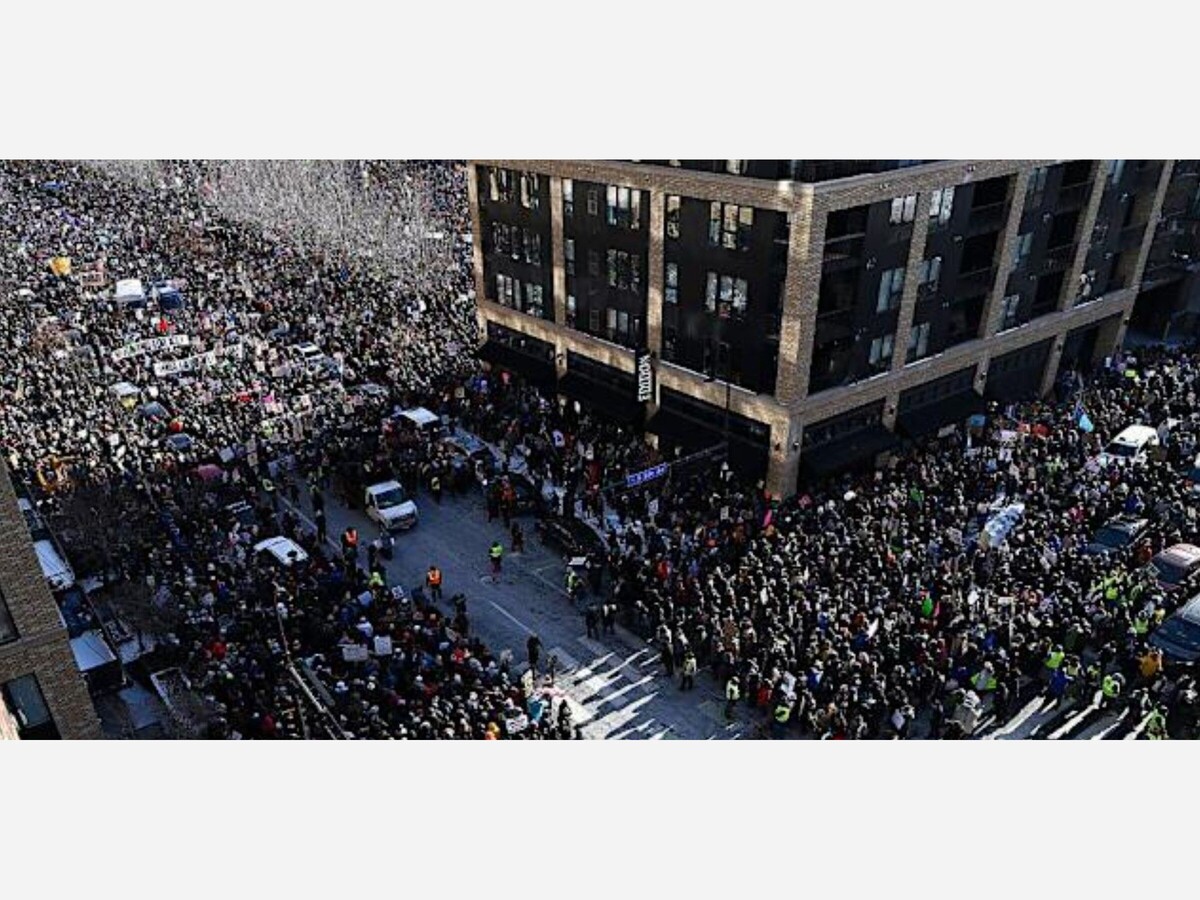



In late January 2026, the Twin Cities entered a heightened security posture following a series of fatal shootings involving federal agents in Minneapolis, events that rapidly reverberated beyond the immediate neighborhoods where they occurred and reshaped public life across the region.
The most recent incident, the fatal shooting of Alex Pretti, a 37-year-old intensive care nurse, took place on the morning of Saturday, Jan. 24, near 26th Street and Nicollet Avenue in south Minneapolis during a federal immigration operation. It was the second fatal shooting involving Immigration and Customs Enforcement or Border Patrol personnel in the city within two weeks, following the Jan. 7 killing of Renee Good. Together, the incidents intensified public outrage, sparked demonstrations, and prompted officials to reassess the safety of large public gatherings across the metro area.
As protests formed and a substantial federal and state law enforcement presence was deployed, event organizers and league officials cited the need to prioritize public safety, leading to the cancellation or postponement of several major events that traditionally draw residents from across Minneapolis, St. Paul, and Anoka County.
One of the most visible disruptions occurred in St. Paul, where organizers canceled the King Boreas Grande Day Parade, a centerpiece of the 140th Saint Paul Winter Carnival. In a public statement, carnival leadership said the decision followed “careful consideration” of regional security concerns and was made to ensure the safety of parade participants, volunteers, and spectators. The cancellation came amid an already strained festival schedule, as a historic Arctic cold wave had forced the suspension of multiple outdoor events earlier in the week.
In downtown Minneapolis, the NBA postponed the Minnesota Timberwolves’ home game against the Golden State Warriors at Target Center, originally scheduled for Saturday evening. League officials announced the decision shortly before 2 p.m., as players were arriving at the arena, citing security concerns related to the shooting site’s proximity—less than two miles away—and the potential for unrest along major downtown corridors. The game was rescheduled for Sunday afternoon.
The ripple effects extended further. TwinsFest 2026 at Target Field ended an hour early to facilitate an expedited departure for attendees. First Avenue postponed concerts across its venues. Several local businesses near the shooting location, including longstanding neighborhood establishments, closed temporarily to protect staff and patrons as crowds gathered nearby.
The atmosphere during the weekend was defined by an unusually large law enforcement presence, estimated by state officials at roughly 3,000 officers, deployed as part of a broader national immigration enforcement operation. Minnesota Gov. Tim Walz described the unfolding events as “heartbreaking” and “sickening,” acknowledging both the human toll of the shootings and the strain placed on communities already grappling with fear and uncertainty.
For residents across Anoka County and the broader Twin Cities, the sudden cancellations underscored how quickly public safety concerns in one part of the region can reshape daily life across the metropolitan area, turning a winter weekend defined by tradition and routine into one marked by caution, grief, and collective unease.


Sunny, with a high of 62 and low of 40 degrees. Sunny during the morning, clear overnight.