Image
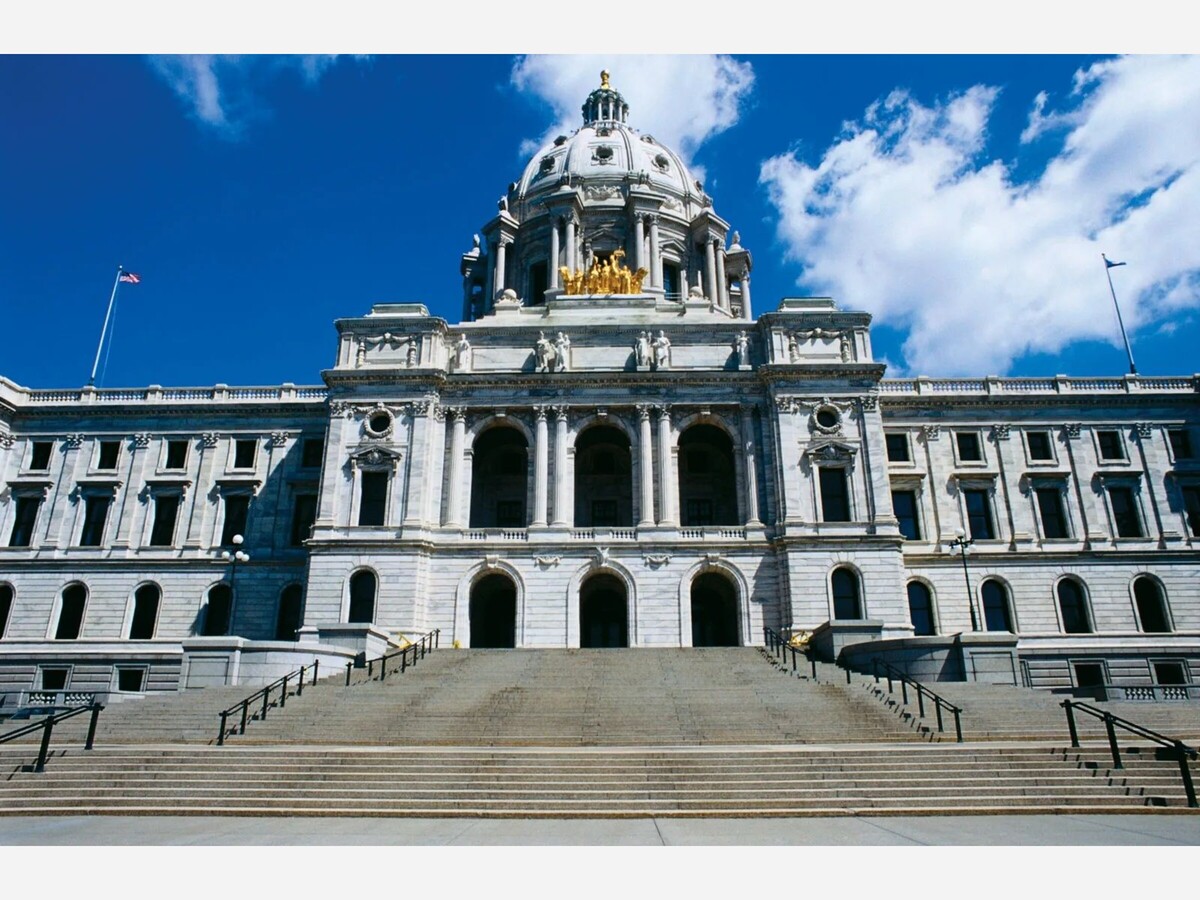



ST. PAUL, MN - On Tuesday, Jan. 27, 2026, voters in Minnesota House Districts 47A and 64A will cast ballots in special elections whose consequences extend far beyond district boundaries. The outcomes will determine whether the Minnesota House of Representatives remains evenly divided or tips toward single-party control as lawmakers prepare to reconvene for the 2026 legislative session.
At stake are not just two seats, but the architecture of power itself: committee control, floor agendas, and the tenor of bipartisan negotiation in a chamber that has spent much of the past year operating on a knife’s edge.
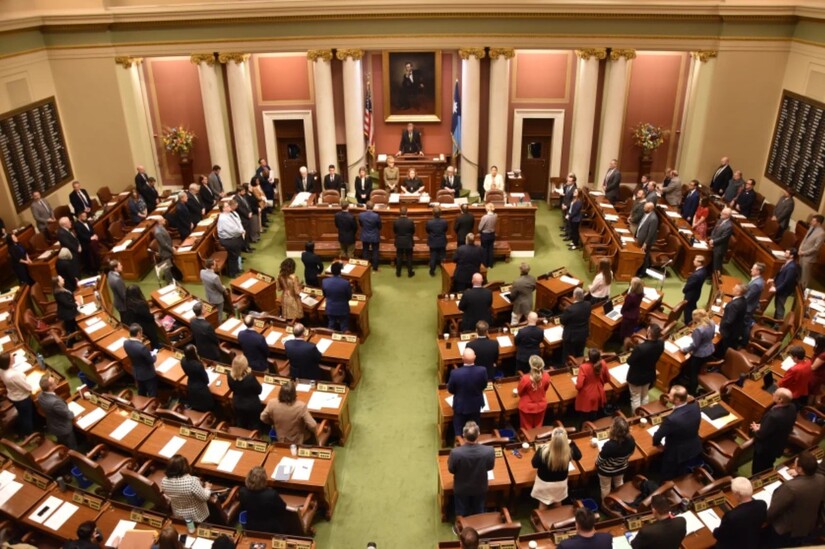
Both vacancies were created by political advancement rather than defeat, underscoring Minnesota’s unusually fluid political moment.
Those departures left the House effectively split, operating under temporary power-sharing arrangements while party leaders awaited the results of these contests.
Covering parts of Woodbury and Maplewood, House District 47A is poised for a decisive, if quiet, conclusion.
The contest is less about suspense than formality, yet its outcome carries full legislative weight.
Entirely within St. Paul, District 64A represents one of Minnesota’s most reliably Democratic-leaning urban districts, but it is the only race on the ballot featuring a contested general election.
Recent election history underscores the challenge facing Republicans. The district delivered more than 83 percent of its vote to Democratic candidates in 2024, including then-Vice President Kamala Harris and Kaohly Vang Her herself. Walsh would need to dramatically outperform his prior showings, which hovered in the mid-teens, to alter the outcome.
If the DFL holds both seats, the House will return to a 67–67 tie, requiring renewed power-sharing agreements or painstaking bipartisan coordination when the Legislature gavels in on Feb. 17, 2026. Should Republicans manage an upset in 64A, they would secure an outright majority, reshaping committee leadership, legislative priorities, and the pace of policymaking for the remainder of the biennium.
In a state long defined by close elections and coalition governance, these two races serve as a reminder that Minnesota politics often turns not on sweeping mandates, but on the quiet arithmetic of attendance, resignation, and a single winter election day.


Sunny, with a high of 68 and low of 34 degrees. Sunny in the morning, partly cloudy during the afternoon and evening, clear overnight.