64° and Clear
Image



MINNEAPOLIS–ST. PAUL -
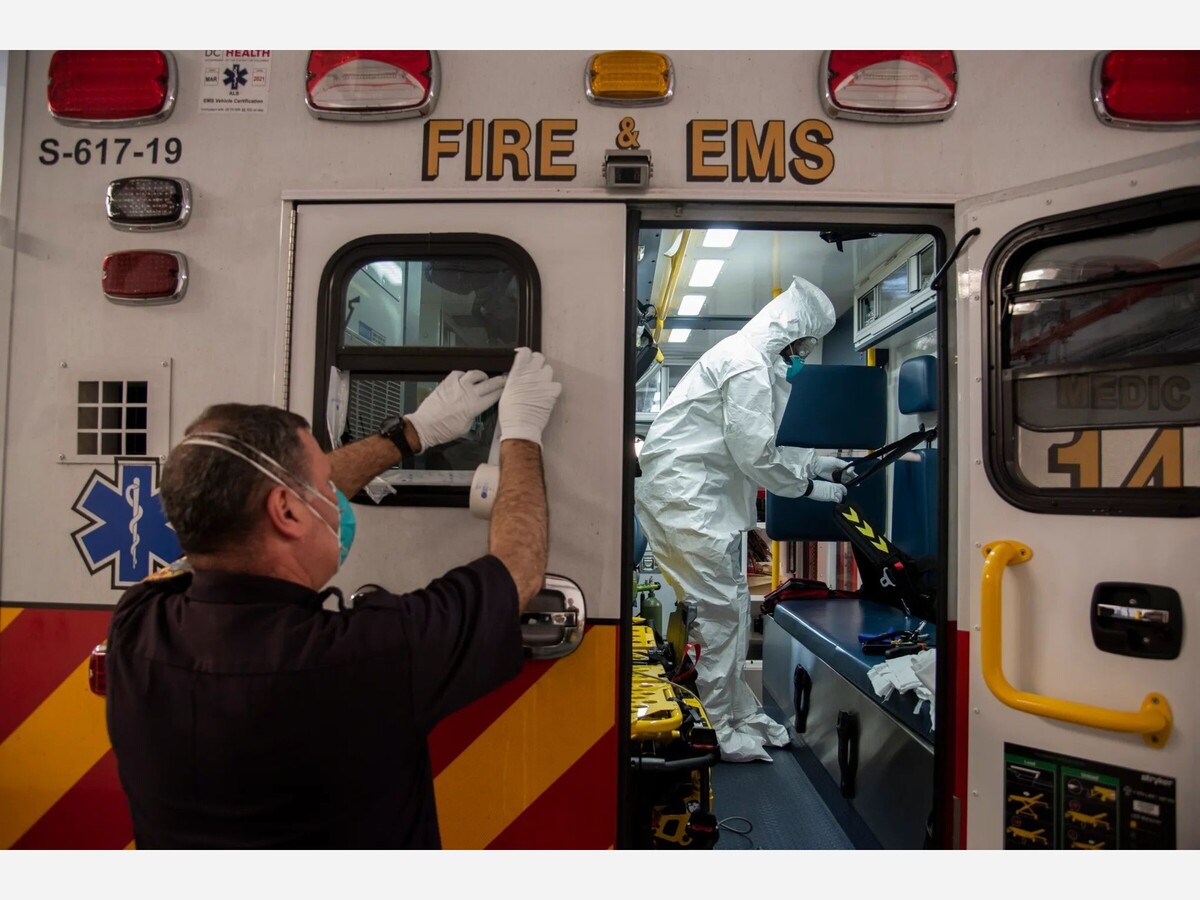
MINNEAPOLIS-ST. PAUL - The union representing Hennepin County paramedics and emergency medical technicians warned on January 26, 2026, that the region’s emergency medical system is approaching a “breaking point,” citing mounting pressure from an ongoing federal immigration enforcement campaign known as Operation Metro Surge.
In a formal statement, the Hennepin County Association of Paramedics and EMTs (HCAPE), which represents roughly 200 frontline responders, said the scale and intensity of federal activity in the Twin Cities has dramatically altered the emergency response landscape, overwhelming already strained systems designed to handle medical crises, not prolonged high-tension operations.
Operation Metro Surge, a large-scale federal deployment led by U.S. Immigration and Customs Enforcement (ICE) with support from other Department of Homeland Security agencies, has brought thousands of federal agents into Minnesota since late 2025. While federal officials describe the operation as targeted immigration enforcement, its ripple effects have been felt across public safety, health care, and community life.
“Every Call Has Become a Crisis”
According to HCAPE, several overlapping factors are converging to push emergency services toward collapse.
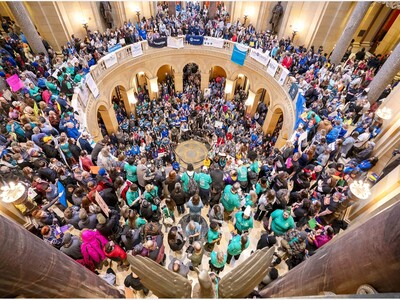
Paramedics report a sharp increase in 911 calls tied to protests, federal enforcement actions, violent confrontations, and exposure to crowd-control agents such as tear gas and pepper spray. These incidents often require extended on-scene care and additional personnel, pulling ambulances out of service for longer periods and reducing overall system availability.
Equally troubling, health care providers and EMS crews say fear surrounding federal operations has caused many residents, including U.S. citizens, to delay or avoid calling for medical help. Conditions that might otherwise be routine are now escalating into life-threatening emergencies by the time responders are contacted, intensifying the strain on paramedics and emergency departments alike.
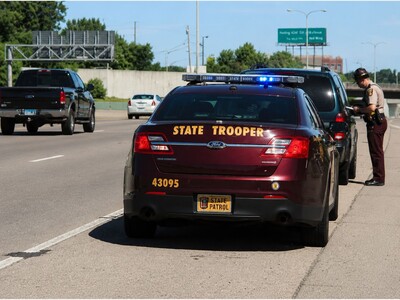
HCAPE members have also reported operational barriers in the field. In multiple incidents, federal law enforcement vehicles have obstructed access routes, forcing EMS crews to abandon ambulances and reach patients on foot. In one January incident cited by the union, paramedics responding to a shooting were unable to bring an ambulance directly to the victim because federal vehicles blocked the roadway.
At the same time, local police agencies, often critical co-responders during high-risk medical calls, are stretched thin assisting or coordinating with federal operations, leaving fewer resources available for routine emergencies.
“The system was never designed for this,” one veteran paramedic told MinneapoliMedia, speaking on condition of anonymity. “Every call has become a crisis. We’re reacting, not responding.”
Hospitals Feeling the Pressure
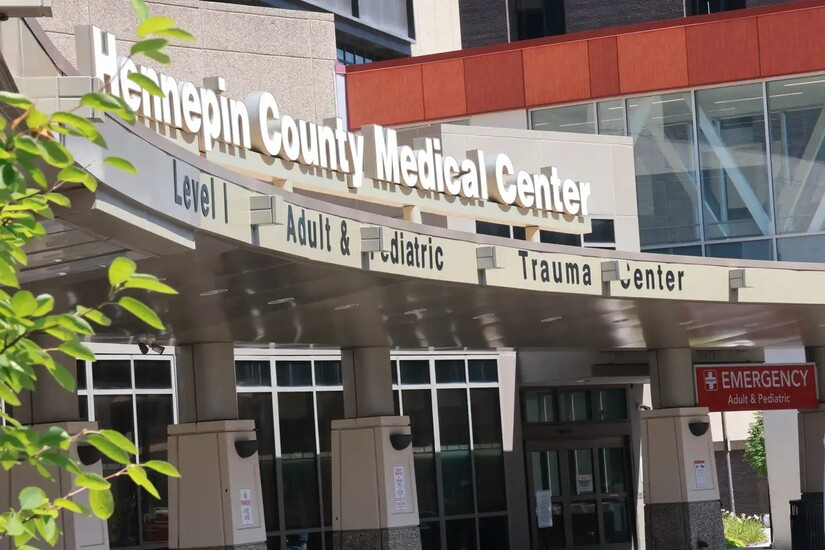
The strain described by EMS workers extends into area hospitals, particularly Hennepin Healthcare and its flagship facility, Hennepin County Medical Center (HCMC).
Hospital staff and physicians have publicly raised concerns about the presence of ICE agents inside medical facilities, including emergency departments and critical care units. Health care workers say agents have been observed at patient bedsides for extended periods, sometimes restraining patients. They argue these actions intimidate patients, disrupt care, and undermine medical privacy and trust.
Clinicians warn that the visible presence of federal enforcement inside hospitals has further discouraged patients from seeking care, compounding the delays already seen in the community and placing additional pressure on emergency departments.
In a recent legal development, a federal judge ordered the release of a hospitalized patient detained by ICE at HCMC, citing concerns about unlawful detention, a ruling that has intensified scrutiny of federal enforcement practices within health care settings.
A System at a Crossroads
The escalating tension surrounding Operation Metro Surge has fueled widespread protests, legal challenges, and sharp debate among state and federal leaders over public safety, civil liberties, and jurisdictional authority. Minnesota officials have challenged the operation in court, arguing that it undermines both community trust and essential public services.
For paramedics, EMTs, nurses, and physicians on the ground, those debates translate into measurable risks, including longer response times, exhausted crews, and patients arriving sicker than ever.
“We signed up to save lives,” one EMT said. “Right now, it feels like the system itself is in cardiac arrest.”
As federal enforcement continues and community tensions remain high, the warning from Hennepin County’s emergency medical workforce is stark. Without relief or structural change, the region’s ability to respond to everyday medical emergencies may soon be compromised, with consequences measured not in policy outcomes, but in lives.



Patchy rain nearby, with a high of 94 and low of 63 degrees. Sunny in the morning, patchy rain nearby in the afternoon and evening, clear overnight.