Image



ANOKA, Minn.
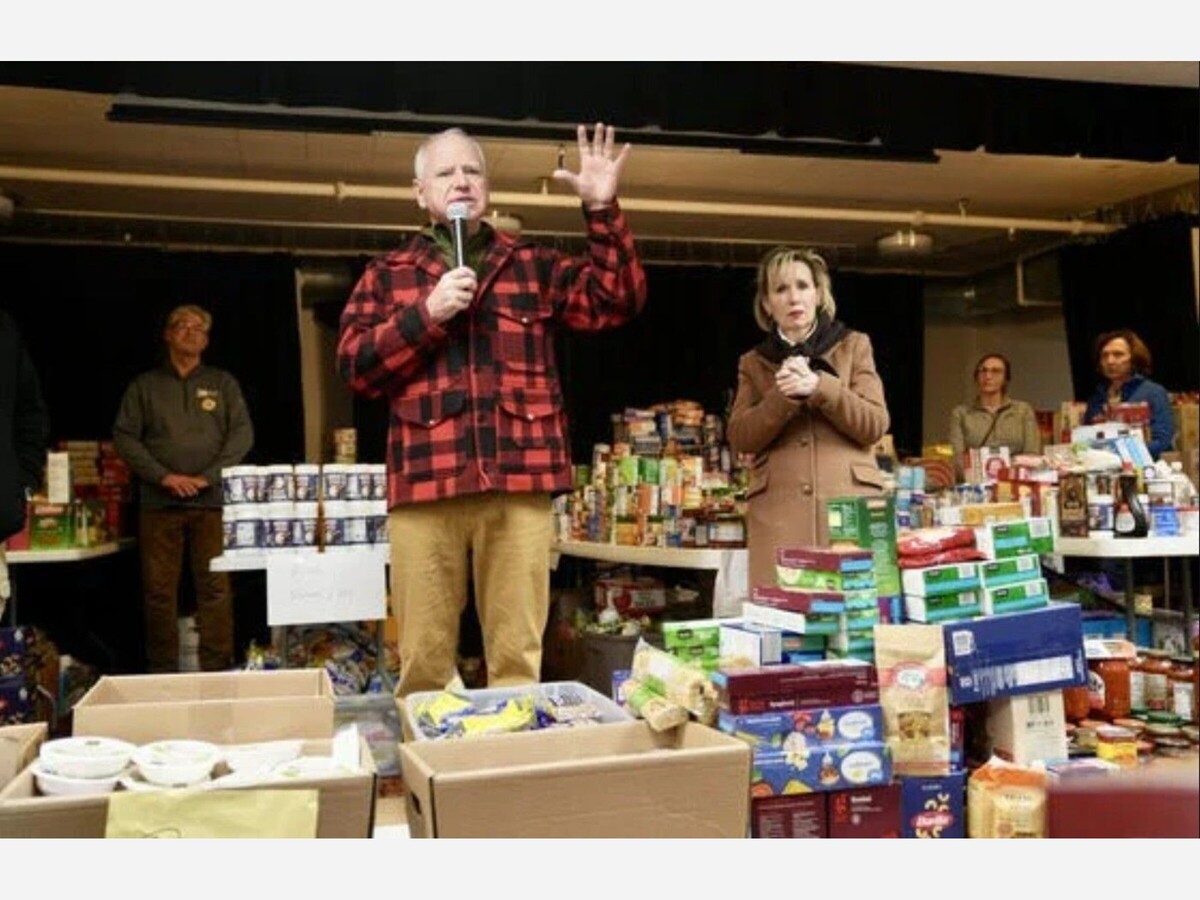
On a cold Monday in late January, boxes of groceries and essential supplies moved quietly through neighborhoods in the Anoka-Hennepin area, carried not by government agencies but by neighbors. The deliveries, coordinated on Jan. 26, 2026, were part of a growing mutual aid effort led by Parents for Good, aimed at supporting families facing overlapping crises of economic strain, school instability, and deep uncertainty about daily life.
Organizers say the effort focused on families who were limiting public activity, including immigrant households and low-income parents, many of whom rely heavily on school-based meals and services. For these families, even a short disruption can ripple quickly into hunger, missed work, and isolation.

The surge in community support came as the Anoka-Hennepin School District, the largest in Minnesota, faced the prospect of a teacher strike. Earlier in the month, the local teachers’ union, Anoka Hennepin Education Minnesota, filed an intent to strike amid stalled contract negotiations that centered on salary adjustments and rising health insurance costs.
For families already living close to the margin, the possibility of school closures carried immediate consequences. Schools are not only classrooms but daily anchors, providing meals, stability, and supervision for thousands of children. The threat of disruption created what advocates described as an urgent need for stopgap support, particularly for households with limited resources or heightened fear about navigating public spaces.
Parents for Good emerged in late 2025 as a 501(c)(4) advocacy organization focused on school board issues and education policy. As the strike deadline approached, the group shifted from organizing meetings and messaging to something more elemental: food, transportation, and basic necessities.
Through its “Mutual Aid for Anoka-Hennepin Students and Families” campaign, the group coordinated donations and volunteer deliveries of groceries, meal kits, and household supplies. The outreach, organizers said, prioritized families who were afraid to leave their homes or uncertain whether schools would remain open, effectively creating a temporary safety net during a period of institutional strain.
The work was carried out in partnership with local faith and community networks, using familiar neighborhood spaces as staging points and relying on volunteers who knew the area and the families they were serving.
By Monday afternoon, the effort had become visible on social media, where community members described deliveries underway across Anoka. The posts were brief and understated, but the message was clear: when systems falter or feel out of reach, neighbors step in.
In a winter already marked by labor tensions, economic pressure, and anxiety for immigrant families, the mutual aid response underscored a recurring Minnesota tradition. Long before resolutions are passed or contracts settled, care often arrives first in the form of a knock on the door and a box of groceries left behind.
For Parents for Good and its partners, the January deliveries were not framed as a one-day action but as part of a broader commitment to sustain families through instability. As one organizer noted in a public update, the goal was simple and urgent: make sure no family is left alone when the ground beneath them feels uncertain.


Patchy rain nearby, with a high of 85 and low of 48 degrees. Sunny in the morning, patchy light rain in area with thunder for the afternoon and evening, clear overnight.