Image
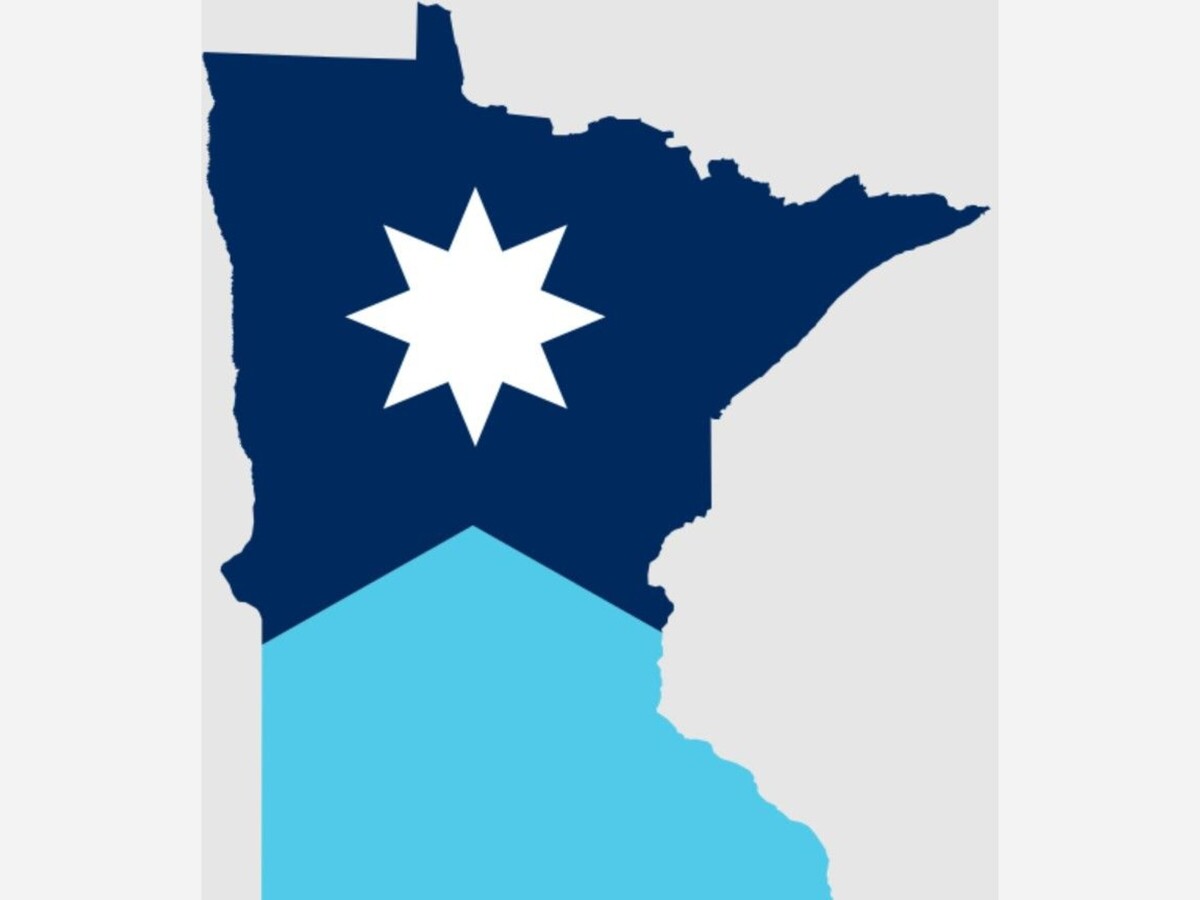



The annual report evaluated all 50 states using 50 metrics grouped into five broad categories: Family Fun, Health and Safety, Education and Child Care, Affordability, and Socio-economics. Minnesota’s overall score of 63.10 placed it just behind Massachusetts and ahead of North Dakota in the national standings. Wisconsin and Nebraska rounded out the top five.
This marks a continuation of Minnesota’s strong performance in the study. The state also ranked No. 2 in 2025, reinforcing what state leaders describe as a sustained pattern rather than a single-year surge.
Governor Tim Walz pointed to the findings as validation of recent policy priorities.
“When parents can afford child care, take paid time to care for a baby or loved one, access innovative and quality health care, and trust their kids are receiving a world-class education, families thrive,” Walz said in a statement following the report’s release.
WalletHub’s breakdown shows Minnesota performing especially well in areas tied to economic stability and household security.
Affordability: 4th
The category includes housing costs, median family income adjusted for cost of living, and long-term savings metrics such as college affordability.
Socio-economics: 10th
Measures include poverty rates, wealth distribution, and employment indicators.
Health and Safety: 12th
Metrics cover life expectancy, environmental quality, and public safety data.
Education and Child Care: 14th
This category evaluates public school quality, early education access, and child care costs.
Family Fun: 15th
Includes access to parks, playgrounds, recreation centers, and youth amenities.
Among the most notable findings in the report:
These figures suggest that Minnesota’s ranking is driven less by novelty and more by structural economic stability. The state consistently ranks near the top in income levels and near the bottom in poverty among families with children.
Lieutenant Governor Peggy Flanagan and Walz have linked the state’s performance to recent legislative measures, including a nation-leading Child Tax Credit, universal school meals, and expanded paid family and medical leave. Supporters argue those policies reduce household financial strain and increase long-term stability.
WalletHub also credited Minnesota’s public health and recreation infrastructure.
The state ranks among the highest nationally for life expectancy at birth and is recognized for strong public hospital systems. Additionally, Minnesota ranks eighth in the share of children living in neighborhoods with access to a park or playground, reinforcing its reputation for outdoor access and community design that encourages physical activity.
From neighborhood ice rinks to state parks, green space remains a defining feature of Minnesota’s family experience. Access to recreation was explicitly measured in the study’s “Family Fun” dimension, tying environmental design to child development and overall well-being.
While Massachusetts secured the top overall spot, Minnesota’s placement reflects a broader Midwestern strength in family affordability and socioeconomic stability, with three of the top five states located in the Upper Midwest.
Rankings, by nature, compress complex realities into a single number. Yet Minnesota’s repeat performance near the top suggests something more enduring.
In a period marked nationally by rising housing costs, child care challenges, and widening income inequality, Minnesota’s combination of high household earnings, relatively low poverty, and expansive public infrastructure appears to be sustaining its reputation as a state where families can build long-term security.
Whether those trends hold in future years will depend on economic conditions and policy implementation. For now, however, Minnesota remains, by one widely cited national measure, one of the very best places in America to raise a family.


Sunny, with a high of 89 and low of 59 degrees. Sunny during the morning, clear overnight.