64° and Clear
Image
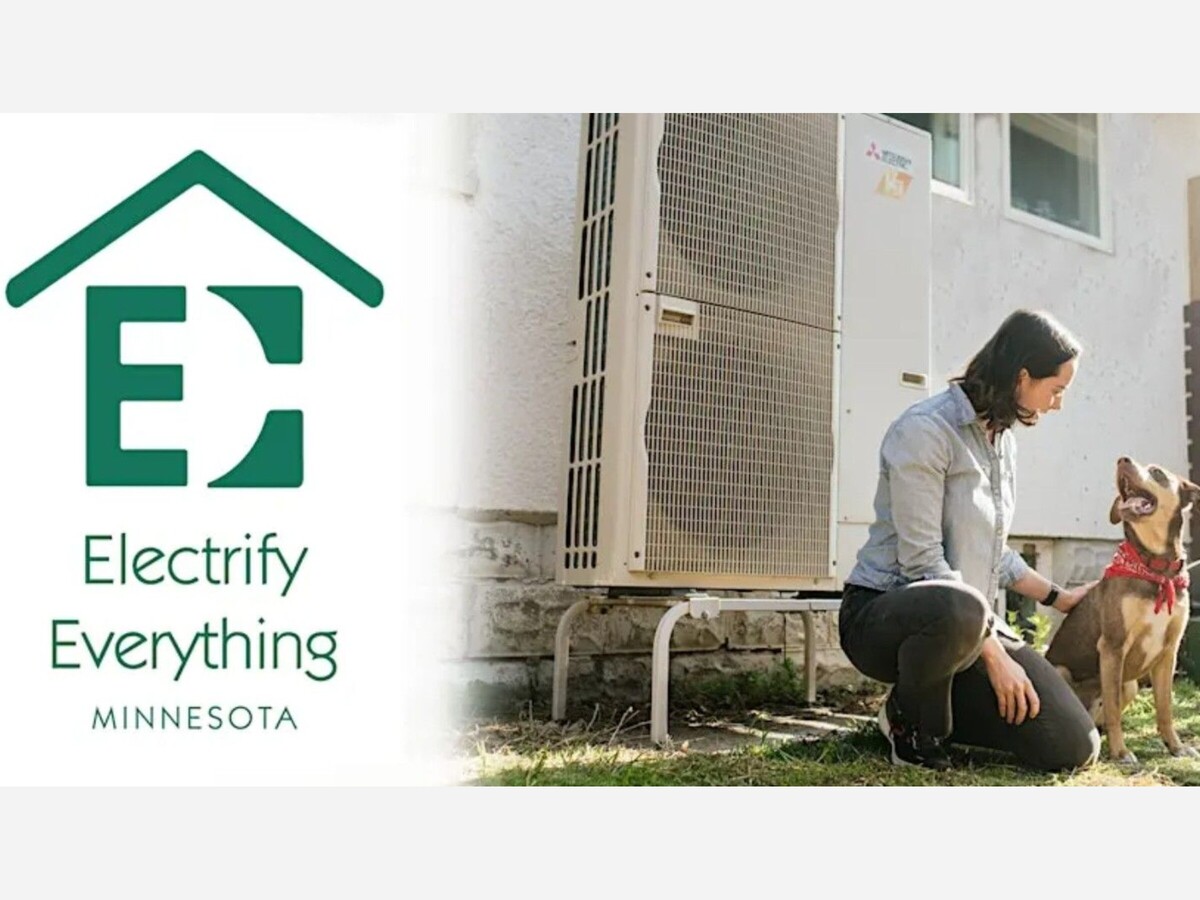



On Tuesday, April 14, from 6:30 p.m. to 8:30 p.m., the City of Coon Rapids will host “Get Amped: The Basics of Electrifying Your Home” at the Coon Rapids Civic Center. The workshop is free and open to both homeowners and renters, with light refreshments provided, and is part of a growing statewide effort to translate Minnesota’s clean energy ambitions into practical, household-level action.
At its core, the event reflects a broader shift now underway across Minnesota: the recognition that the path to a carbon-free future runs not only through power plants and policy, but through the systems that heat, cool, and power everyday living spaces.
The workshop arrives in the wake of Minnesota’s landmark 2023 clean energy legislation, which requires utilities to deliver 100 percent carbon-free electricity by 2040. While that law focuses on how electricity is generated, the next phase of the transition is increasingly centered on how energy is used.
For many households, that means confronting a practical question: what does it actually take to move away from fossil fuels?
Home electrification offers one answer. By replacing gas-powered systems with high-efficiency electric technologies, households can reduce emissions, improve indoor air quality, and often lower long-term energy costs. Yet for many residents, the pathway remains unclear, shaped by uncertainty around cost, technology, and timing.
The Coon Rapids workshop is designed to address that gap directly.
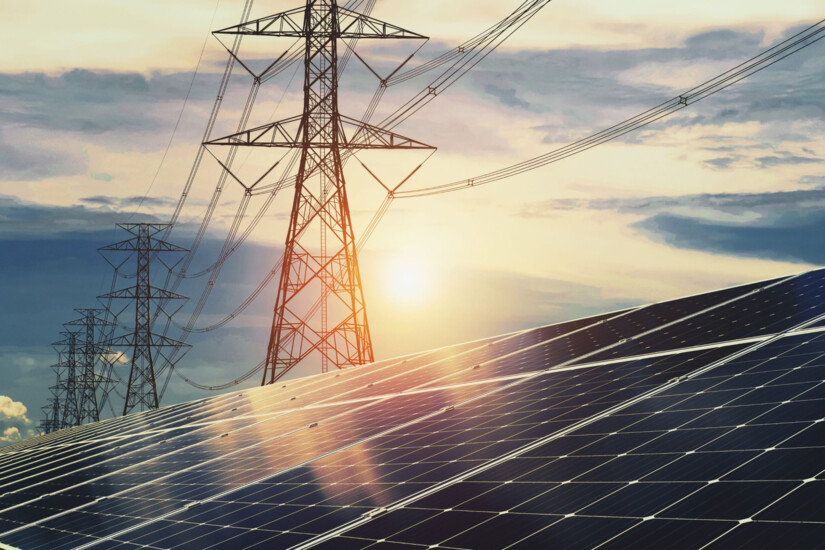 Electric Gridline. Courtesy: Energy and Environmental Economics, Inc. (E3)
Rather than presenting electrification as an all-at-once overhaul, the session introduces it as a phased, achievable process tied to the natural lifecycle of home systems.
Participants will be guided through the core pillars of electrification:
Heating and Cooling
Air-source heat pumps, increasingly central to electrification strategies, will be discussed as a dual-function solution capable of providing both heating and air conditioning more efficiently than conventional furnaces and central air systems.
Water Heating
Attendees will learn about hybrid heat pump water heaters, which draw ambient heat from the surrounding air and significantly reduce energy consumption compared to traditional units.
Kitchen and Laundry
The transition to induction cooking and heat pump dryers will be explored, with attention to both performance and safety benefits.
Home Infrastructure
Equally important are the foundational upgrades that make electrification possible, including insulation, air sealing, and electrical panel capacity. These often determine whether new technologies can operate efficiently and safely.
Throughout the session, residents will have opportunities to ask questions specific to their homes, moving the conversation beyond theory into real-world application.
For many households, the most immediate barrier to electrification is financial. While the technologies themselves are advancing rapidly, upfront costs can remain a deterrent.
A central focus of the workshop is therefore on aligning available incentives to make the transition more attainable.
Participants will receive guidance on:
Federal Incentives
Tax credits and rebates made available through the Inflation Reduction Act, which can significantly offset the cost of heat pumps, electrical upgrades, and energy efficiency improvements.
Local Programs
The Coon Rapids Green Homes Program, which provides additional rebates covering up to 50 percent of utility incentives, capped at $550.
Utility Rebates
Programs offered by regional providers such as Xcel Energy, CenterPoint Energy, and Connexus Energy, supporting weatherization and electrification upgrades.
Planning Support
Access to advisors through Electrify Everything Minnesota, along with a network of contractors vetted by the Center for Energy and Environment.
Organizers emphasize that electrification does not need to happen all at once. Instead, residents can align upgrades with equipment replacement cycles, spreading costs over time while steadily reducing reliance on fossil fuels.
The workshop is part of Electrify Everything Minnesota, a statewide initiative managed by the Center for Energy and Environment and supported by local governments and foundations. Participating communities include cities such as Minneapolis, Edina, Eden Prairie, and St. Louis Park, along with county-level partners like Hennepin County.
Coon Rapids’ involvement reflects a growing recognition among municipalities that local engagement is essential to achieving statewide climate goals.
By hosting events like this, cities are positioning themselves not only as policy implementers, but as educators and connectors, helping residents navigate an increasingly complex energy landscape.
The workshop is intentionally designed to meet residents wherever they are in the process:
No prior technical knowledge is required, and the session is structured to be accessible without sacrificing depth.
Residents can reserve a spot through Eventbrite: https://tinyurl.com/z4xyvsrn
Minnesota’s clean energy transition is often framed in terms of infrastructure, regulation, and long-term targets. But its success ultimately depends on something far more immediate: whether individual households can see themselves in it.
In Coon Rapids, that transition begins not with sweeping mandates, but with information, conversation, and a clearer sense of what is possible.
Inside a civic center room on a Tuesday evening, the abstract becomes tangible. The future of energy is no longer somewhere else. It is, quite literally, at home.
MinneapoliMedia
Community. Culture. Civic Life.



Patchy rain nearby, with a high of 94 and low of 63 degrees. Sunny in the morning, patchy rain nearby in the afternoon and evening, clear overnight.