Image
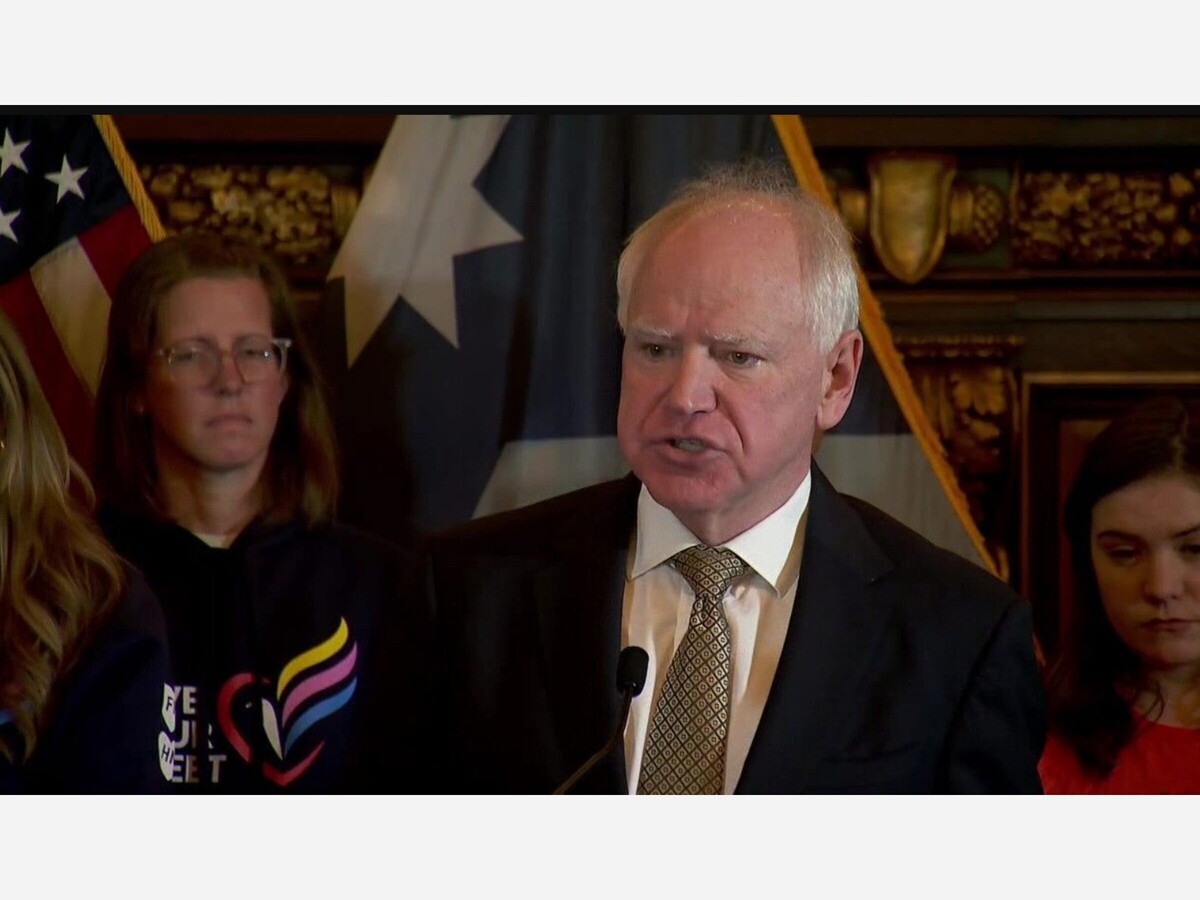



The visit, held at the school’s early learning program, coincided with Tax Day and marked the second stop in a statewide tour focused on affordability. Walz held a similar event in Duluth the previous week.
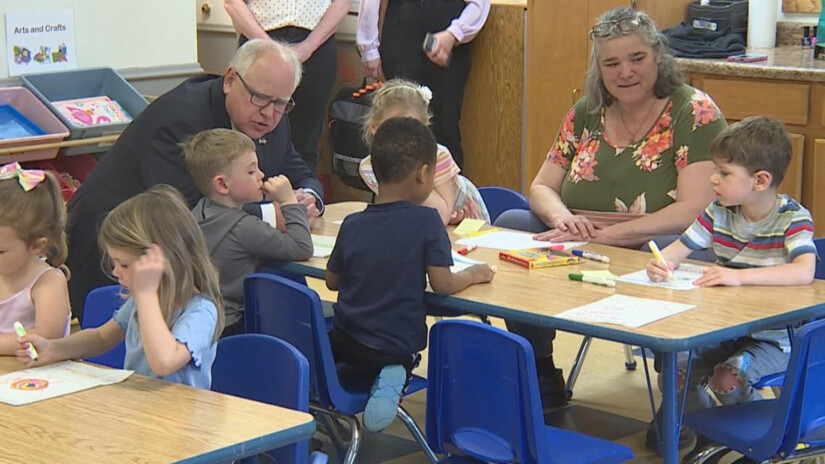
The governor’s plan would expand Minnesota’s existing refundable Dependent Care Tax Credit, which helps offset out-of-pocket child care expenses. The proposal includes several changes:
According to the Walz administration, the changes are projected to benefit approximately 104,800 families statewide. Families with young children in care could receive an average additional refund of about $2,100 annually.
During a roundtable discussion at Hoover Elementary, Walz described child care affordability as an economic issue tied directly to workforce participation. Administration officials have argued that rising child care costs can prevent parents from entering or remaining in the labor market, affecting both household income and broader economic growth.
State data has consistently shown that child care expenses in Minnesota rank among the largest costs for families with young children, often rivaling housing in some regions.
The proposal builds on Minnesota’s refundable Child Tax Credit, enacted in 2023, which provides up to $1,750 per qualifying child. As of mid-March 2026, state officials reported that more than 318,000 children had benefited from the credit during the current tax season, with families receiving an average refund of approximately $2,669.
The Walz administration has increasingly relied on tax policy as a mechanism to deliver direct financial relief to families, positioning credits as a way to reduce costs without requiring upfront subsidies.
The child care tax credit expansion will be considered by the Minnesota Legislature as part of broader negotiations over the state’s supplemental budget. Lawmakers are expected to weigh the proposal alongside other spending priorities and tax changes in a more constrained fiscal environment than in recent surplus years.
Democratic-Farmer-Labor leaders have generally supported expanding family-focused tax credits, while Republican lawmakers have raised concerns in past sessions about long-term costs and the balance between tax relief and direct service investments.
The Rochester visit is part of a broader effort by the Walz administration to highlight affordability issues during the 2026 legislative session. By tying the announcement to Tax Day, officials aimed to underscore the role of tax credits in reducing household expenses and increasing disposable income.
If enacted, the expanded Dependent Care Tax Credit would further position Minnesota among states using the tax code to address rising child care costs, a policy area that has gained increased attention nationwide as families and employers face ongoing workforce challenges.
MinneapoliMedia | Community. Culture. Civic Life.



Sunny, with a high of 95 and low of 64 degrees. Sunny for the morning, clear overnight.